
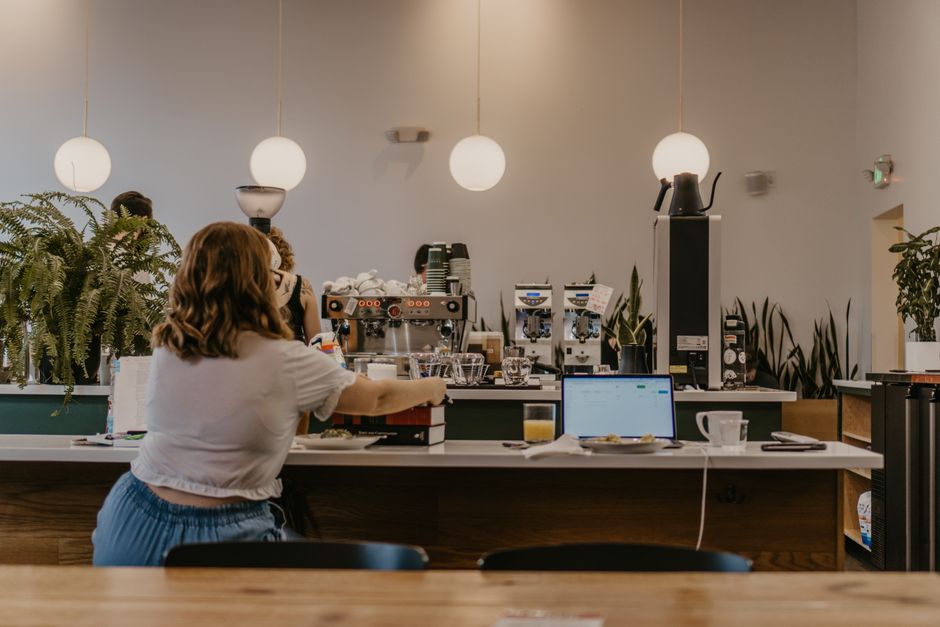
I rolled into Charlotte on a Tuesday with my laptop and no real plan beyond finding a cafe that wouldn't kick me out after two hours. What I found was that this city—which nobody expects to have much of a cafe culture—has actually developed a few spots worth returning to. Not the kind of places that show up in national travel magazines. Just cafes where locals work, where you can get a decent pour-over, and where the seating isn't designed to make you uncomfortable after the first hour.
Charlotte's cafe scene sits somewhere between its old banking-town identity and whatever it's becoming now. The uptown area has gotten shinier in recent years, but the real cafe life happens in neighborhoods like NoDa and South End, where you'll find actual character alongside your cortado. I spent a week bouncing between them, and here's what stuck.
Undercurrent Coffee in NoDa: The Reliable Anchor
Undercurrent sits on North Davidson Street in the heart of NoDa, which is Charlotte's closest thing to a creative neighborhood. Brick walls, street art, the standard inventory of local businesses trying to stay afloat. The cafe itself is long and narrow—good bones, the kind of place that got renovated without being sanitized.
Their espresso is respectable, and they rotate single-origins regularly if you're the type who cares about that. The real strength here is consistency. Wifi works without drama. Tables stay available most weekday mornings. The pastries come from local bakeries, which means they're fine but not transcendent—accept that and you won't be disappointed. The crowd is a mix of laptop workers, art-adjacent people, and neighborhood regulars who've claimed the same corner table for three years running.
I watched a woman in the back working on what looked like design proofs for four straight hours one afternoon. Nobody bothered her. That's the vibe.

Hawthorne's in South End: The Afternoon Spot
South End has transformed dramatically in the past five years—more restaurants, more money, more people in athleisure. Hawthorne's sits in the middle of it without feeling desperate about staying relevant. Wood tables, big windows facing the street, enough natural light that you won't feel like you're living inside a screenshot.
They're serious about their coffee without being precious about it. The cold brew is smooth, not sour. Their signature drinks lean toward the approachable side—nothing that requires a five-minute explanation. I had a really good oat milk cappuccino there, which sounds boring until you've had twelve bad ones in a row at other places.
Seating is genuinely comfortable, and the layout means you're not directly adjacent to every other laptop worker in the room. The pastry case rotates; on a good day you'll find something from a local bakery that's worth the extra three dollars. Go in the afternoon if you want relative quiet. Morning is South End people getting their coffee between yoga and brunch.
Birdie's Cafe in Cornelius: Off the Beaten Track
Cornelius is maybe fifteen minutes north of uptown, which to most Charlotte visitors might as well be another state. That's precisely why Birdie's works as a lesser-known alternative. It's a small neighborhood spot that primarily serves locals who live nearby—families, retirees, people working from home who've gotten tired of the uptown coffee crowds.
The space is unpretentious. Mismatched chairs, local art on the walls, a bulletin board cluttered with community notices. The coffee is genuinely good, made by people who seem to actually want to make good coffee rather than optimize their Instagram presence. The pastries are homemade—I watched the owner pull a fresh batch of scones from the back halfway through my visit.
If you're working, you'll be left completely alone. There's free wifi, reliable seating, and almost no chance you'll be surrounded by a rotating cast of laptop people performing productivity for an audience. The trade-off is that it's quieter, smaller, and requires slightly more planning to reach. For someone who actually wants to work rather than be seen working, it's worth the drive.
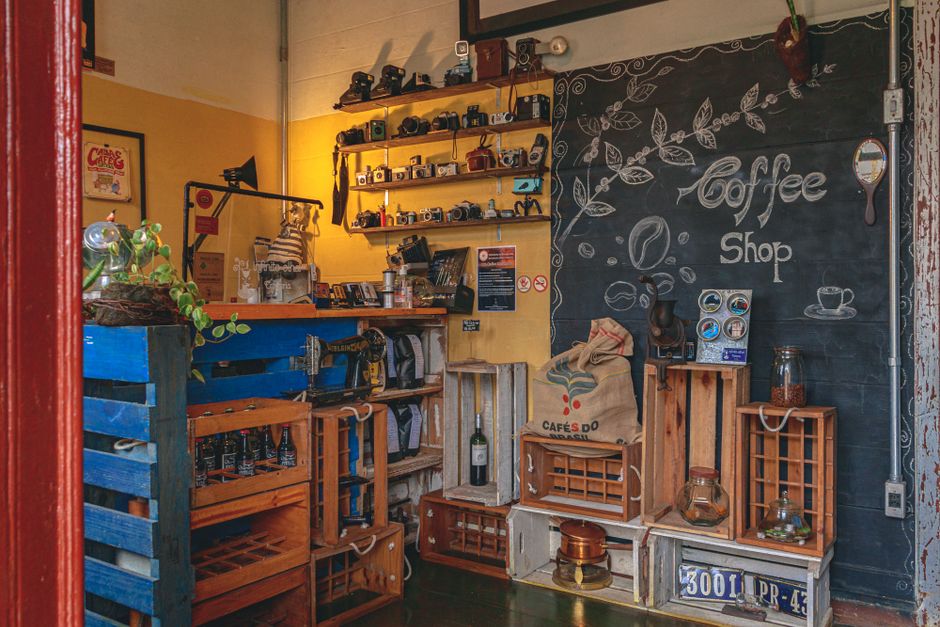
Enderly Park Coffee in South End: For Reading, Not Rushing
Enderly Park sits a few blocks from Hawthorne's but operates in a completely different register. High ceilings, industrial bones, the kind of renovation that respects what was there before. More mature crowd. People actually read books here without checking their phones every thirty seconds.
Their espresso drinks are competent—no complaints. But the real draw is the environment. The space has rhythm to it. Morning regulars filter in. Afternoons get quieter. There's background music but not the aggressive indie-playlist kind. You can hear it without it being a choice you're forced to endorse.
The seating is generous and varied. High tops if you're working solo. Actual tables if you're with someone. A few chairs positioned by the windows for reading. The wifi works. They don't have an aggressive pastry program, which is fine—it means they're not trying to be something they're not. Good for a three-hour deep-work session or just sitting for an afternoon with a book and a cup of coffee that doesn't require constant attention.
Slave to the Grind in Multiple Locations: The Chain That Works
Charlotte's local roaster operates a few locations around the city, and I say this without irony: they're genuinely good. The flagship in South End is the most polished, but that also makes it busier and more performative. The one in NoDa, closer to Undercurrent, is smaller and less shiny—which makes it better for actually getting anything done.
Their roasting is solid. Drinks are consistent across locations. The pastries are contracted out to better local bakeries, so they're actually worth eating. What's notable is that they've managed to scale a cafe brand without the whole thing becoming transparent corporate machinery. The people working there seem to like their jobs. That shows.

Working Hours and What to Actually Expect
Most of these spots open around 6 or 7 a.m. and close somewhere between 4 and 6 p.m., with slight variations on weekends. Don't assume hours without checking—Charlotte's cafe culture is still young enough that closures happen and schedules shift. Tuesday through Thursday mornings are genuinely quiet if you're trying to work. Weekends get crowded everywhere, which is fine if you don't mind people but brutal if you're trying to concentrate.
Wifi is reliable at all of them, though Birdie's can get a bit spotty in the back corner. Most have outlets near seating, though you might need to claim a specific table. The unspoken rule across all of them: buy something every two hours or so. A second coffee, a water, something. These places aren't libraries.
The Actual Neighborhood Factor
Where you're sitting matters more than which cafe you choose. NoDa is grittier, slightly younger, louder in a productive way. South End is shinier, more aggressively developed, better restaurants if you actually want to eat lunch nearby. Cornelius is quiet and honestly boring unless quiet and boring is exactly what you're looking for.
I found myself returning to different spots depending on what I needed that day. South End cafes for afternoon reading when I wanted natural light and no obligations. NoDa for morning work sessions. Birdie's once a week when I needed to actually get something done without any social friction. None of them are perfect. All of them are good enough.



