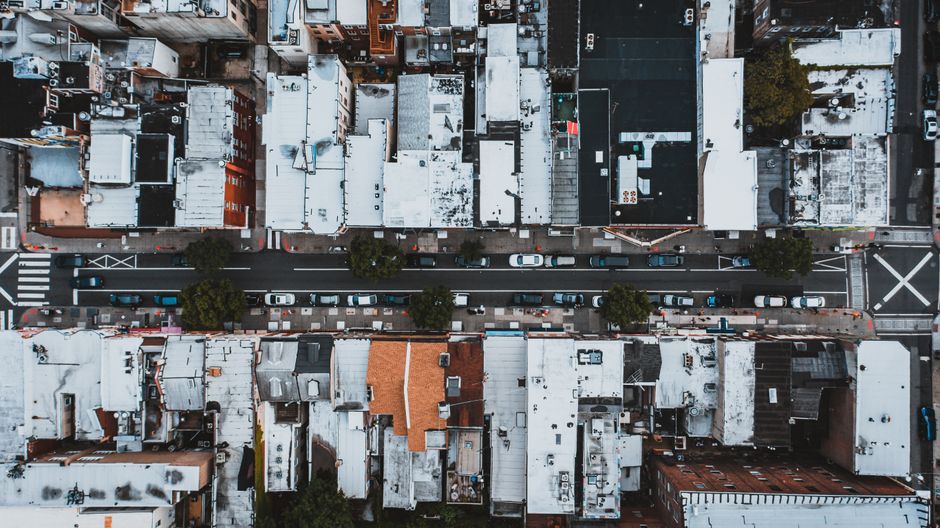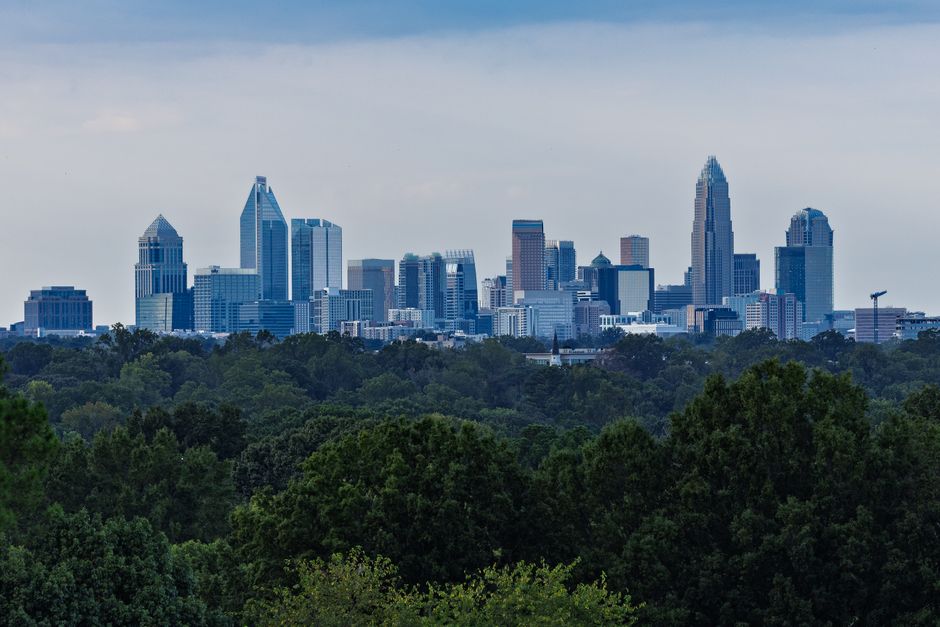
I landed in Charlotte on a Tuesday afternoon with the usual solo traveler's mix of anticipation and mild paranoia. The thing about this city is that it doesn't fit the narrative people sometimes build around it. Charlotte's a real place—a banking hub that's grown up fast, with neighborhoods that range from genuinely thriving to genuinely rough, and plenty in between. Over a few visits, I've learned where I feel comfortable walking at midnight and where I'm calling an Uber after dark, and I want to pass that along.
The good news: most of Charlotte is perfectly safe for solo travelers who use basic sense. The city's well-lit downtown district, popular restaurant neighborhoods, and major attractions draw foot traffic and police presence. The caution part isn't about paranoia—it's about pattern recognition. There are areas where property crime, street-level drug activity, and occasional violence happen at rates that matter, and those areas tend to concentrate in certain neighborhoods. I'm not here to scare you away from the city. I'm here to tell you where to stay alert and where you can actually relax.
Downtown and Uptown: Generally Safe, With Time-of-Day Caveats
Downtown Charlotte and its Uptown corridor (the financial district around Tryon Street) are the beating heart of tourist activity, and for good reason. The streets are busy during business hours and on weekends, with decent foot traffic, visible security, and plenty of people around. I've walked these areas solo without issue, even in the early evening.
The catch: after roughly 10 p.m. on weeknights, foot traffic drops noticeably. The core downtown streets—around Trade, Tryon, and Caldwell—are still reasonably safe, especially if you're sticking to main corridors and well-lit blocks. But you'll notice the difference in density. I wouldn't recommend a solo walking tour of the residential blocks immediately surrounding uptown after midnight. Grab a rideshare instead. It's not that these streets are dangerous in an absolute sense; it's that at 2 a.m., you've traded the safety-in-numbers advantage for a quieter environment. On weekends when nightlife is active, the equation changes—there are more eyes and more movement.
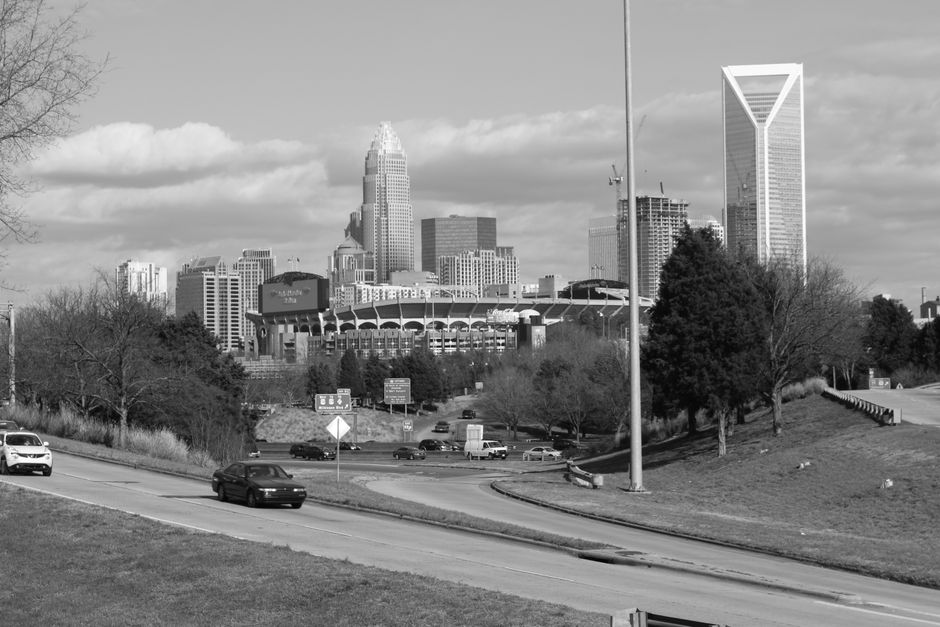
South End: Trendy, But Situational Awareness Matters
South End is Charlotte's current hot spot for dining, breweries, and nightlife. The main drag along South Tryon has undergone real revitalization, and it genuinely is a fun neighborhood. I've spent good evenings there, especially Friday and Saturday nights when the area buzzes with people.
Here's the reality: South End's popularity is recent, and not all blocks have transformed equally. The main commercial corridor (roughly between Tryon and the neighborhoods just south) is well-trafficked and reasonably safe, particularly when venues are open and the street has activity. But wander a few blocks off the main drag into the surrounding residential area, especially late at night, and you're in blocks where property crime and lower-level street activity occur more regularly. This isn't unique to South End—it's a common pattern in rapidly developing neighborhoods where gentrification is uneven. If you're going out for dinner or drinks in South End, use rideshare for arrival and departure, especially after 10 p.m. Stick to the lit, busy sections. During the day, it's much more open and walkable.
Avoid: West Charlotte and East Trade Corridor After Dark
There are neighborhoods in Charlotte where crime statistics spike noticeably, and I'm obligated to name them. West Charlotte neighborhoods—particularly those west of Brevard Street and north of I-85—experience higher rates of violent crime, property theft, and drug-related activity according to local police data and crime mapping tools that are publicly available. This isn't hearsay; it's documented. East Trade Corridor, running toward the airport, also carries reputations and actual crime data that reflect genuine risk.
I'm not saying these areas are no-go zones entirely. People live and work there. But as a solo traveler, these aren't neighborhoods where you're walking around exploring after dark. Even during daylight, unless you have specific business there—a museum, a friend's place, a restaurant you've researched—there's no reason to be wandering solo. Stick to rideshare or ride services if you need to travel through these areas. If you're curious about Charlotte's neighborhood diversity and history, that's a conversation worth having with a local guide during a structured tour, not a solo nighttime walk.

Neighborhoods Worth Visiting Safely: NoDa, Plaza Midwood, Myers Park
On the flip side, there are solid neighborhoods where solo travelers can comfortably spend time, even in the evening. NoDa (North Davidson) has become an arts district with galleries, coffee shops, and restaurants that draw a younger crowd. It's gentrifying, walkable, and feels safer than it did a decade ago. Plaza Midwood, just south of NoDa, has similar energy—eclectic, walkable, well-lit storefronts. Myers Park is Charlotte's affluent neighborhood, tree-lined and residential, fine for daytime walks and feels secure throughout.
These aren't danger-free zones in some magical sense. Petty theft happens in all neighborhoods. But they're areas where foot traffic, lighting, and community presence create a baseline of safety. I've walked NoDa and Plaza Midwood on solo evenings without discomfort. Myers Park during daylight is excellent for walking, though it's mostly residential, so you won't find much happening after dark anyway.
Practical Precautions That Actually Work
Most solo travelers' safety in Charlotte comes down to standard practices applied consistently. Use rideshare services (Uber, Lyft) liberally. They're affordable here, and the math is simple: a $12 Uber ride eliminates the variable of walking alone after dark in an unfamiliar area. Don't wait until 2 a.m. to decide this; plan your transportation before you're tired and distracted.
Keep your phone charged and know where you are. Charlotte's grid is logical, but neighborhoods change quickly. The difference between a safe block and a rougher one can be literally one street. Look up your route on Google Maps beforehand. Stick to well-lit, main streets when you're walking. Avoid displaying expensive electronics or jewelry. Travel during daylight hours when exploring unfamiliar areas. If you're going out at night, go with others when possible. Trust your instincts—if a block feels off, it probably is, and there's no prize for toughing it out.
One thing I've noticed: Charlotte residents are generally friendly and helpful. If you ask at your hotel or a restaurant for neighborhood recommendations, people will tell you straight. That local input is worth more than any general article.

Public Transportation and Getting Around Solo
The Charlotte Area Transit System (CATS) runs buses throughout the city and has a light rail line connecting some key spots. For solo travelers, the light rail is your safest transit option—it's more predictable, better-lit, and sees regular foot traffic. Buses are okay during daytime hours, but I wouldn't recommend being alone on a bus late at night, especially if you're unfamiliar with the route. The rideshare calculation applies: it's worth the cost to avoid the variables.
If you're renting a car, you'll have maximum flexibility, though downtown parking can be annoying. Walking is fine during the day in tourist-friendly areas and main commercial corridors. At night, bite the bullet and call a ride. It's not about being fearful; it's about not being a solo variable in an equation where solo variables carry more risk.
The Real Story About Charlotte
Charlotte is a growing, wealthy city with real inequality baked in. It has excellent neighborhoods and neighborhoods with real problems. For solo travelers, that means being smart about geography and timing without being paranoid about the place in general. You can have a great time here. I have. The food scene is solid, the museums are worth your time, the greenways are nice for daytime walks, and the people are generally open to visitors.
Just respect the geography. Stick to well-traveled, well-lit areas after dark. Use rideshare. Ask locals for honest recommendations. Don't take unnecessary risks that you wouldn't take in any other city. Charlotte isn't uniquely dangerous, but it's not a place where solo nighttime wandering in unfamiliar neighborhoods is a smart move. Most of the city is fine. Some parts require a little more caution. That's true of most cities, and Charlotte's no exception.