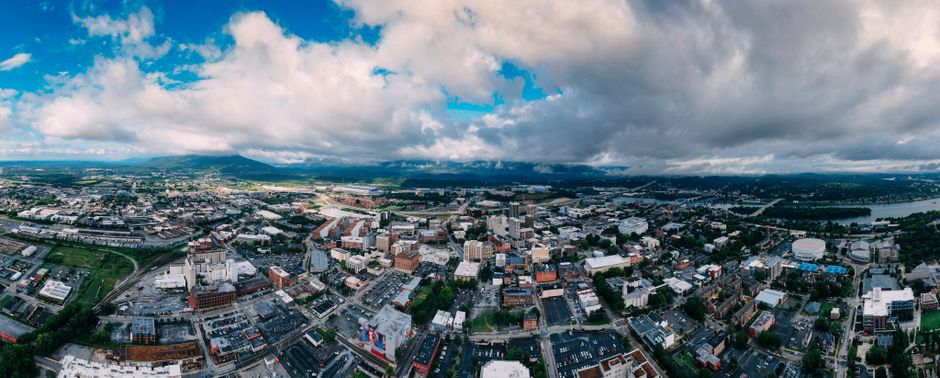
I rolled into Chattanooga on a Thursday afternoon expecting the usual Tennessee thing—music, maybe some history, probably a river. What I found instead was a mid-sized city that's been aggressively reinventing itself, which means it's caught between its genuine charm and the kind of Instagram-friendly development that makes every downtown look vaguely the same. After spending a week here, poking around neighborhoods, talking to locals who actually live here rather than visit, and eating way more than I planned, I've formed some opinions. Some of the stuff everyone comes for? Worth reconsidering. Some of the stuff barely anyone mentions? That's where the real Chattanooga lives.
The Overrated Pull: Ruby Falls
Ruby Falls is a phenomenon—a 145-foot waterfall located inside a mountain, lit with theatrical lighting that hasn't changed much since 1975. It's impressive in that tourist-attraction way, all neon pink and dramatic shadows. The cave tour leading up to it is competent, the gift shop is enormous, and yes, technically it's the tallest underground waterfall open to the public in the US. But here's what bothered me: you're essentially paying $30-plus to walk through a carefully engineered underground pathway, stand in a crowded chamber while a recorded narration plays, and stare at a waterfall that looks better in the promotional photos than in person.
The real issue isn't the falls themselves—it's the orchestrated nature of the entire experience. You can't just wander. You can't linger. You follow the marked route, pause at the viewing platform, and keep moving. I watched families with cranky kids shuffle through like it was a conveyor belt at a theme park. If you're coming to Chattanooga, go if you absolutely must, but don't make it your priority.
The Overrated Pull: The Hunter Museum of American Art
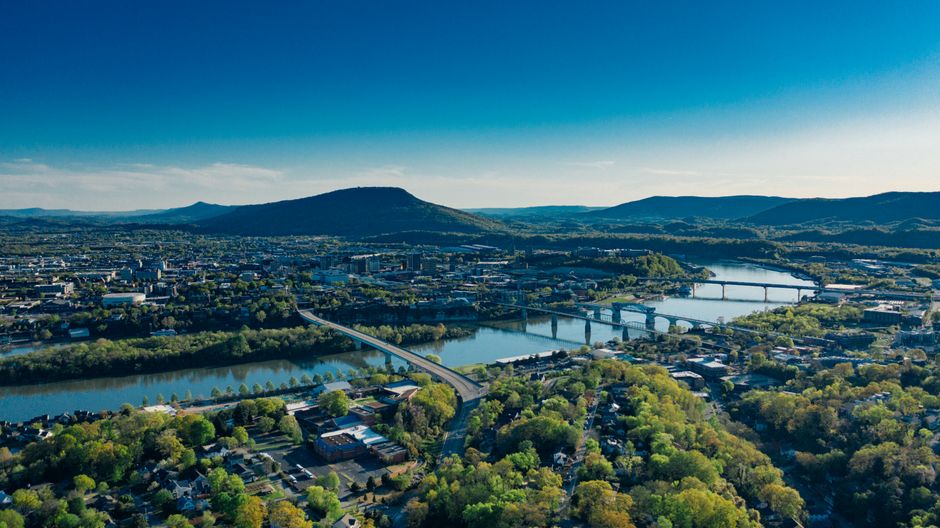
The Hunter Museum sits right on the Tennessee River in a gorgeous riverside building—that part's genuinely nice. But the collection itself feels thin for what it costs to get in. I spent maybe ninety minutes there and felt like I'd seen everything. For a regional art museum in a city of 180,000 people, it's respectable. As a must-do destination? Not really. The gift shop is better curated than the exhibitions I saw, which tells you something.
Local artists and deeper collectors might find things worth their time here, but as a casual visitor, I found myself more interested in the building's architecture and the river views than the actual art. There are better ways to spend an afternoon downtown.
The Overrated Pull: The Incline Railway
Everyone wants to ride the Incline Railway—it's a historic funicular that climbs 2,237 feet to the top of Lookout Mountain. The novelty is real; it's a legitimately steep ride with good views. The problem is everyone else knows this too. I rode it on a weekday morning expecting relative quiet and still stood in a packed car with fifty other tourists. The ticket price keeps climbing, the ride itself lasts about twelve minutes total, and once you're at the top, you're funneled directly toward other attractions (Rock City, the Diorama) or a parking lot.
My honest take: ride it if you're staying in Chattanooga for several days and the novelty appeals to you. But if you're trying to maximize your time, hike up Lookout Mountain instead. The same elevation gain, the same views, no lines, and you'll see the landscape instead of car roofs and souvenir stands.

The Overrated Pull: The Aquarium
The Tennessee Aquarium is enormous and professionally run—that much is fair. But it's also expensive, occasionally crowded, and didn't scratch anything interesting for me. I spent an hour there, walked past the same school groups three times, and felt like I'd seen what there was to see. The Gulf of Mexico section is solid. The river tunnel is fine. The otter exhibit exists and people like it.
What I'm saying is: this is a perfectly adequate aquarium that would be worthwhile if you had small children who specifically want to see an aquarium. For solo travelers or adult visitors without that specific itch, your time and money are better spent elsewhere. It's the kind of place that got built because cities thought they needed one, and it functions exactly as designed—competently, predictably, a bit soullessly.
The Underrated Alternative: Walnut Street Bridge and North Shore
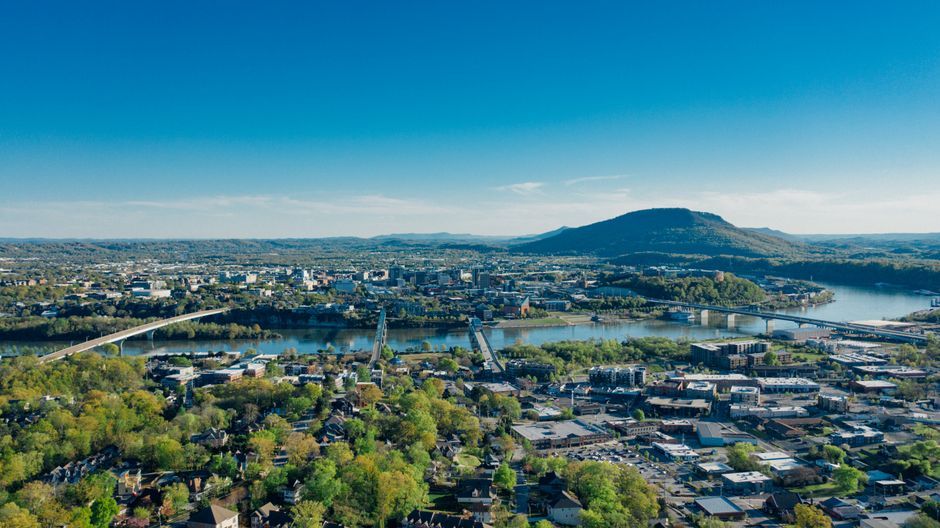
Here's what surprised me most about Chattanooga: the North Shore neighborhood and the Walnut Street Bridge, which connects it all. The bridge itself is a 2,376-foot pedestrian span—one of the longest in the world, though that factoid barely registers until you're actually walking it and realizing there's no going back halfway. Sunrise or sunset crossing is genuinely excellent, quieter than you'd expect.
But the real treasure is what's on the other side. North Shore has evolved into an actual neighborhood, not a tourism district, with real apartments, real restaurants, and real people. Walk from the bridge south along the river, grab coffee at Atta Girl, check out the small galleries and local shops that have roots here rather than corporate backing. A local graphic designer named Michelle told me she moved here specifically because this neighborhood felt like a real place rather than a manufactured downtown. The vibe is nothing like the polished River Street area on the south bank. You get the waterfront views without the theme-park energy.
The Underrated Alternative: St. Elmo Neighborhood and Incline District
St. Elmo is the historic neighborhood that actually abuts Lookout Mountain, and instead of taking the Incline Railway, spend an afternoon walking these tight grid streets. There's an old general store still operating (St. Elmo's), several historic Civil War sites that matter if you care about that history, and the kind of neighborhood feeling that most downtown areas have gentrified away.
More importantly, you can actually hike Lookout Mountain from here, which gives you the views without the tourism markup. The trails are steep and well-worn, the views from the ridge are identical to what you get from the Incline, and you'll pass maybe three other hikers instead of three hundred tourists. A woman at a local deli pointed me toward the paths, warned me about which turns were steeper than they looked, and sent me off with an apple and actual conversation. That's worth more than a themed railway ride.
The Underrated Alternative: The Hunter Museum of Regional History and Local Coffee Stops
Instead of the Hunter Museum of American Art, spend an hour at smaller, less-trafficked historical sites. The Hunter itself runs a regional history branch that's far more interesting than the main art museum—better curated, smaller, actually focused on Chattanooga's actual past rather than a broad art survey. It's harder to find than the main museum, which is kind of the point.
But honestly, the best Chattanooga experience happened in coffee shops. Folk Coffee Company has actual regulars, not just tourists. A place called Hutton & Smith Café has one of the better pastry programs I've found in a small Southern city. These spots operate at human scale, which the big attractions systematically eliminate. A barista named Jamie told me more about neighborhoods, hiking spots, and what actually changed downtown than any paid tour operator could.
The Underrated Alternative: Chickamauga Battlefield and Rural Surroundings
Driving twelve miles north to Chickamauga Battlefield State Park sounds like a detour if you don't care about Civil War history. But even if you don't, the grounds are genuinely beautiful—rolling hills, walking trails, tree-lined paths. It's far less crowded than downtown attractions, costs almost nothing, and gives you actual quiet time in a landscape.
The small town of Fort Oglethorpe nearby has character that's invisible from downtown Chattanooga. Local restaurants, actual community feel, the kind of place where people have lived for generations rather than moved for a job opportunity. Even if Civil War sites don't interest you, the pastoral quality of the area—the way Tennessee landscape actually feels before you get to the overlay of tourism infrastructure—is worth experiencing. You can't get that feeling in downtown Chattanooga anymore.
The Real Chattanooga Is In Between
What I kept coming back to during my week here is that Chattanooga's genuinely interesting elements aren't the attractions with gift shops and admission prices. They're the neighborhoods with actual people, the small restaurants with long relationships with their regular customers, the river views you can access without paying a corporation, the hiking trails that exist independent of tourism infrastructure.
The city's been through genuine transformation—the riverfront revival is real, the downtown has legitimately attracted new residents and businesses. But like a lot of reinvented American cities, something gets lost in the official version. The overrated attractions aren't bad; they're just packaged experiences that could happen almost anywhere. The underrated stuff? That's specific to Chattanooga. That's worth your time.