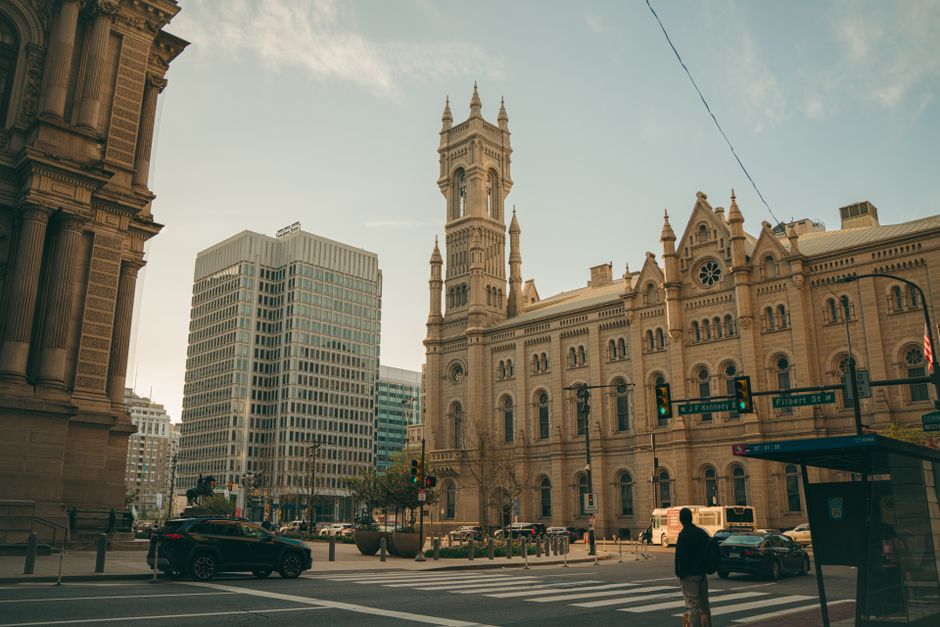
I pulled into Chattanooga on a humid afternoon in June, armed with a vague sense that the riverfront was the place to be and little else. Within a week of actually living here—bouncing between neighborhoods, eating way too much at local spots, talking to people who'd actually chosen to stay—I realized the city's real story wasn't a single neighborhood. It was scattered across six or seven distinct corners, each with its own rhythm, its own crowd, its own reason to exist.
Chattanooga's been reinventing itself for fifteen years now. The old industrial bones are still visible (you can't miss them along the river), but the flesh has changed completely. Some neighborhoods got the full makeover—new bars, new people, new money. Others stayed exactly as they were and are better for it. This guide isn't about ranking them. It's about matching you to the neighborhood where you'll actually want to be.
North Shore: Where the Attractions Are
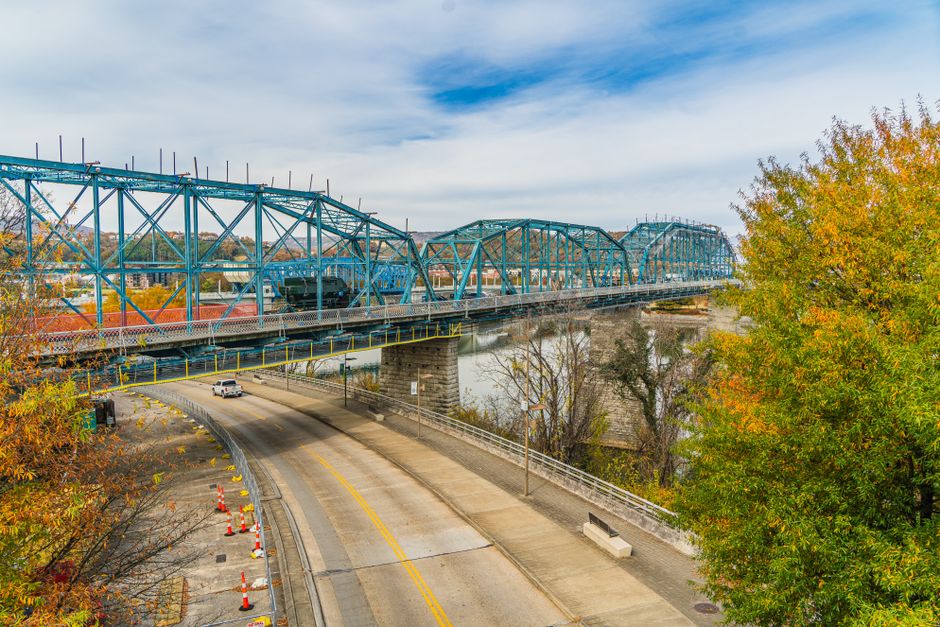
North Shore is what you see in tourism photos. The Walnut Street Bridge, the Riverwalk, the Hunter Museum. High-rise apartments, new-build condos, restaurants with twenty-dollar entrees. I walked through here on a Saturday morning and counted four separate walking tours in the span of two blocks.
If you're visiting Chattanooga and considering a longer stay, or if you've got visiting family and want to be where everything is, North Shore isn't a bad hedge. You wake up and walk to breakfast. You can be at the aquarium in eight minutes. The neighborhood itself is almost entirely designed around convenience and spectacle—which sounds hollow until you realize that's exactly what some people want out of urban living. Young professionals who work downtown often choose this neighborhood for the walkability, even if they're paying a premium for river views and proximity.
The downside is density and cost. Parking is a perpetual negotiation. The character is deliberately cultivated, which means it can feel a bit sterile compared to neighborhoods that grew organically. It's also not the place to find a bargain, and the summer tourism surge makes certain blocks feel less like a neighborhood and more like a theme park.
St. Elmo: The Creative Outlier
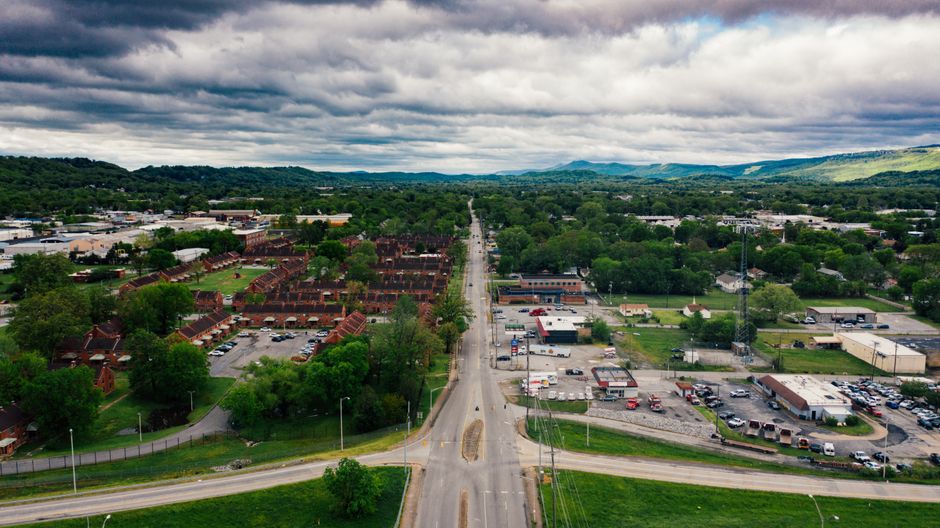
St. Elmo sits south of downtown, just past where the neat grid of urban Chattanooga starts to fragment. Artists moved here about ten years ago when the rent was cheap. Some of them stayed. More came. Now there's a brewery, a vinyl shop, restaurants in converted houses, murals that actually mean something to the people who painted them.
I spent an evening at one of the galleries here and struck up a conversation with a photographer who'd moved from Nashville because St. Elmo still had the grit that had vanished from East Nashville. That's the vibe. It's creative, it's younger, it's still developing. Young professionals who want to be near the action but not in the glossy North Shore version choose this place. So do artists. So do people who just like the idea of being in a neighborhood that feels unfinished.
The catch is that St. Elmo is actively gentrifying. Rent is climbing. The edges are still rough in a way that some people find authentic and others find genuinely concerning. It's also not a neighborhood for people who need everything to be convenient or polished. You'll find good food and real culture here, but you'll do more driving to get to it than you would from North Shore.
Red Bank: The Reliable Choice
Red Bank is north of downtown, across the Tennessee River, and it's where Chattanooga goes when it wants a neighborhood that works. Tree-lined streets. Houses with yards. A real town center with coffee shops and hardware stores and the kind of place where people actually know their neighbors' names.
Families have lived here for thirty years. Young families are moving here now because you can buy a house with more space than anywhere downtown. The schools aren't perfect, but they're solid. There's a farmers market on Saturday mornings and a general sense that this is where life happens at a reasonable pace. I met a woman at a coffee shop here who'd considered North Shore but chose Red Bank because she wanted her kid to play in an actual park without worrying about traffic.
Red Bank doesn't have the nightlife of downtown. It doesn't have the artsy insurgent energy of St. Elmo. What it has is stability and a genuine sense of community—the kind of thing that sounds boring until you're exhausted and need it. For families, retirees, and people who want to be in Chattanooga but not completely submerged in it, Red Bank works.
Southside: The Quiet Tradition
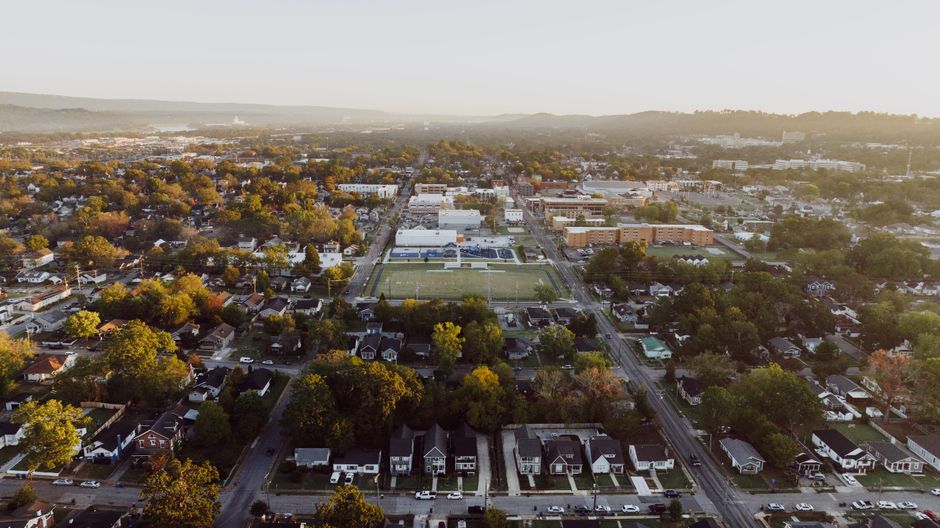
Southside is southeast of downtown, and it's the neighborhood that time sort of forgot. Older homes, mature trees, streets that are just tree-lined enough to feel residential but not so intentional about it that they feel designed. There's a main commercial corridor, but it's understated. People who live here aren't trying to make a statement.
I drove through on a Tuesday afternoon and it felt like I'd stepped back into the 1990s, which is either exactly what you want or not at all. Retirees like Southside. So do older families who bought houses here decades ago and never saw a reason to leave. Young professionals less often choose it because the walkability is moderate and the dining and entertainment scene is minimal. But the trade-off is space, affordability, and quiet. The neighborhood doesn't have the attention of developers yet, which means it still feels like an actual place where people live rather than a real estate opportunity.
Southside's not going through a renaissance, and it's not trying to. If you need that kind of stability and don't require cutting-edge restaurants or nightlife, it's worth a serious look. It's also where you'll find actual room to breathe—and more space per dollar than almost anywhere else in Chattanooga.
Highland Park: The Upswing Neighborhood
Highland Park is east of downtown, and it's where Chattanooga's young professional class has been settling for the last five years. The neighborhood has old Craftsman houses, some of which have been renovated aggressively and others that are still in the slow process of it. There's a brewing community here. Coffee shops. New restaurants in converted storefronts. It has the bones of a traditional residential neighborhood but the energy of a place that's becoming something else.
Young professionals choose Highland Park because it's cooler than Red Bank, more affordable than North Shore, and less chaotic than St. Elmo. You can walk to some things. There's actual character in the architecture and the streets. The neighborhood is in transition—which means it's got momentum, but also means you're betting on a certain vision of the future actually happening.
The downside is inconsistency. One block is still pretty rough. The next block has a two-million-dollar renovation. The dining scene is developing but not yet established. If you want to be in a neighborhood that's actively becoming something and you're willing to deal with the noise and uncertainty of that process, Highland Park is worth considering.

East Brainerd: The Practical Fringe
East Brainerd is the neighborhood most people don't think about when they think about Chattanooga. It's east of the downtown corridor, it's more suburban, it's where you go if you need affordability and access to basic services without wanting to be in the thick of neighborhood life.
Families on a budget often end up here. So do people who work outside the downtown core and want a reasonable commute. It's not a destination neighborhood. It's not particularly walkable. It doesn't have a creative scene or historic character. What it has is space, affordability, and a no-nonsense approach to residential living. Schools are serviceable. Groceries are accessible. It's functional.
East Brainerd is honest about what it is. If you're looking for neighborhood character or walkability or a sense of community, this isn't it. If you're looking for a place to live that's affordable and doesn't require you to spend mental energy on the neighborhood's aesthetic or trajectory, it works fine. It's the neighborhood equivalent of a dependable sedan.
Making the Actual Decision
Choosing a neighborhood in Chattanooga comes down to what you actually value, not what you think you should value. I've talked to people who chose North Shore expecting to love the walkability and moved within six months because they hated the crowds. I've talked to people who chose Southside expecting isolation and ended up thrilled with the community they found.
Start by being honest about how you actually live. If you work from home and rarely go out, character and walkability don't matter as much as affordability and space. If you're young and new to the city, being near other young people and having walkable access to food and drink probably does matter. If you're raising kids, schools and space might matter more than anything else. If you're retired, cost and access to basic services might be the actual priority.
Then spend time in the neighborhoods before you commit. Eat lunch there on a weekday. Drive through at night. Walk the blocks. Talk to people at coffee shops. You'll know pretty quickly whether a neighborhood matches the life you're actually trying to build. Chattanooga's small enough that neighborhoods are truly distinct, but not so small that your choices don't genuinely matter.
Frequently Asked Questions
what is the safest neighborhood in Chattanooga Tennessee
North Shore and Red Bank are generally considered the safest neighborhoods in Chattanooga, with lower crime rates and consistent police presence. North Shore benefits from heavy tourism infrastructure and downtown monitoring, while Red Bank maintains a stable, residential character with active neighborhood watch. St. Elmo and Highland Park are improving in terms of safety as development increases, though they still have higher crime rates than the former two. Always check current crime statistics and speak with local residents, as conditions can change.
which Chattanooga neighborhood is best for families
Red Bank is the most family-friendly neighborhood in Chattanooga, offering good schools, parks, space for yards, and a genuine community feel at reasonable prices. North Shore also works for families who want walkability and proximity to attractions, though at higher cost and in a more urban setting. Southside is a quieter alternative if you want affordability and established neighborhoods, though it's less walkable and has fewer family-oriented amenities.
where should young professionals live in Chattanooga
North Shore is ideal if you want walkability, nightlife, and proximity to restaurants and bars, though it's the most expensive option. Highland Park offers a good middle ground with emerging restaurants, breweries, walkable blocks, and lower costs than North Shore. St. Elmo appeals to young professionals who want a creative, less polished vibe and don't mind driving to access entertainment.
is Chattanooga affordable compared to other cities
Yes, Chattanooga is significantly more affordable than major southeastern cities like Nashville, Atlanta, or Charlotte. You'll find reasonable housing costs across most neighborhoods, with East Brainerd and Southside offering the best values, and North Shore the most expensive. The cost of living is generally lower than the national average, though prices have been rising in popular neighborhoods over the last five years.
Which neighborhood catches your eye?