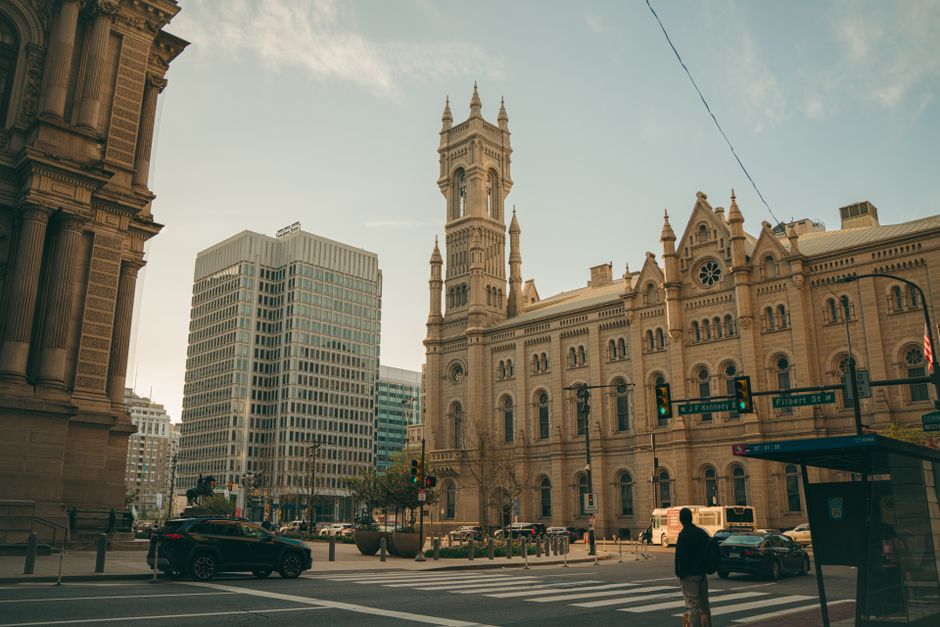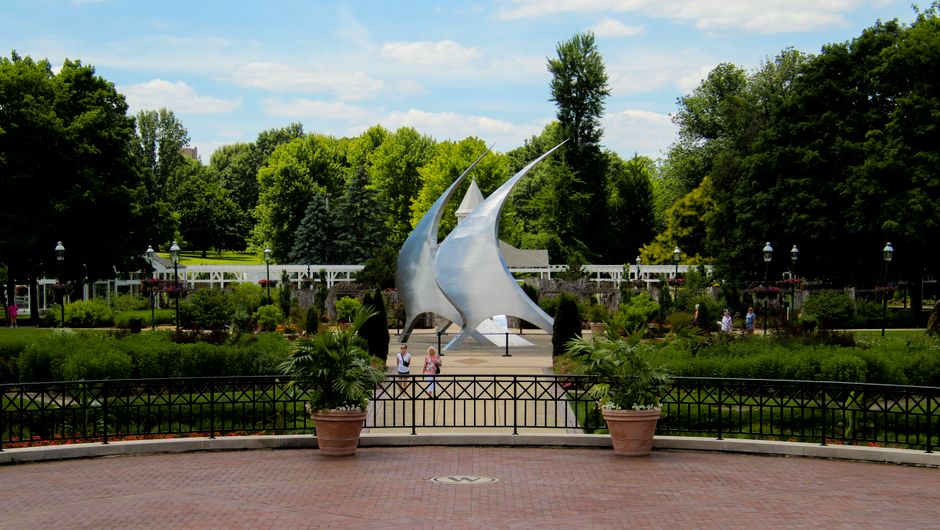
I landed at Port Columbus on a gray October afternoon and did what I usually do: skipped the downtown hotel recommendations and walked. Most people hit the Short North, the Scioto Greenway, the usual downtown corridor. Those are fine. But Columbus rewards curiosity if you're willing to venture six or eight blocks north, south, or east into neighborhoods where the crowds thin out and you actually see how the city works.
I've spent enough time here now to know the difference between the Columbus that's packaged for visitors and the Columbus where people actually live. What follows is drawn from several trips wandering on foot, talking to shopkeepers, and doubling back when something caught my eye.
Goodale Park and the Old Neighborhoods Around It
Everyone knows Goodale Park exists. Not everyone actually goes there, especially not on a weekday morning when it's nearly empty. It's a proper urban park—open, well-maintained, with paths that wind through stands of mature trees. But the real value is the neighborhood fabric around it.
Walk the blocks north and south of the park, particularly on Park Street and the surrounding grid. You'll find independent bookstores, a coffee shop or two that haven't been franchised, vintage storefronts, and what passes for authentic residential Columbus. The Columbus College of Art and Design campus anchors the north side of the park, which means there's always a current of young people, creativity, and actual character to the area. On my last visit, I wandered into a used furniture and housewares place that had been operating in the same spot since the 1980s. The owner barely looked up from his newspaper. That's the vibe.
The Topiary Park (It's Real, It's Weird, It's Free)
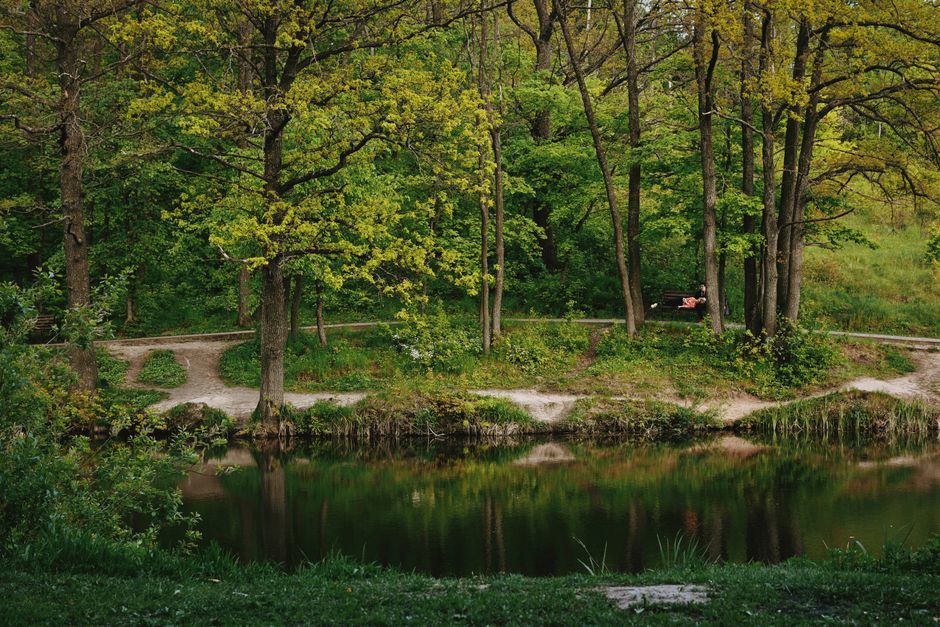
This one stops most people mid-stride when they learn about it. In a small green space off Main Street in the German Village area, there's a half-acre park where every plant—every single one—has been shaped into a character from Georges Seurat's painting "A Sunday Afternoon on the Island of La Grande Jatte." It's absurdist public art that works because it's completely earnest and slightly ridiculous at the same time.
The topiary figures don't move, obviously, but they shift and change with the season and the light. I visited once in spring when everything was tender and new, and once in late fall when some of the shapes had started to lose definition. Both versions felt different. It's the kind of place where you stand around for fifteen minutes longer than you expected, actually looking at something. And admission is zero dollars, which means you have no excuse not to go. Most tourists never hear about it.
Battelle Riverfront Park and the View from the East Side
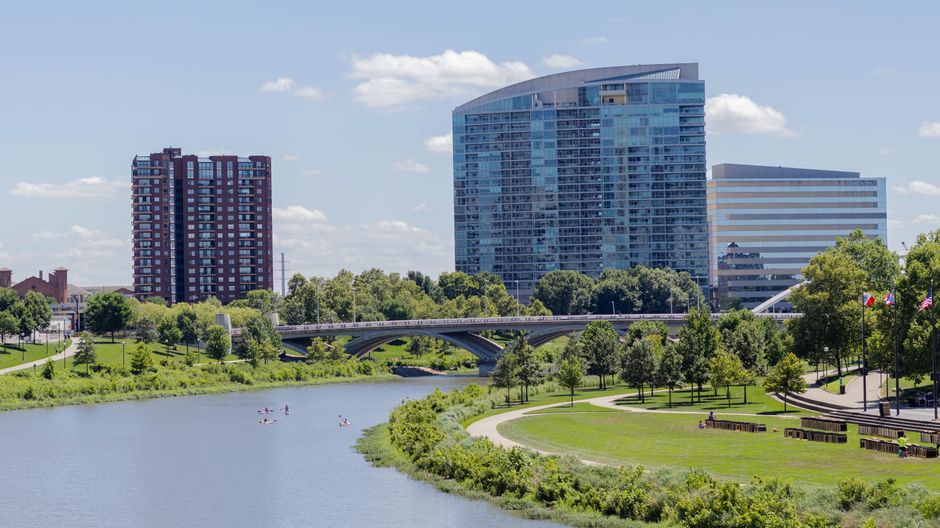
The Scioto Greenway is beautiful and everyone knows it. Battelle Riverfront Park, on the opposite bank near downtown, is less trafficked and offers a different angle on the city. The park runs along the Scioto River on the east side and gives you a western view back toward the skyline. It's a long, narrow strip of green with walking paths, and on a clear day the downtown towers reflect nicely in the water.
What makes this work is that it feels less polished than the main greenway. There's a working Columbus underneath the scenery—you can see the industrial character of the city, the bridge approaches, the real bones of the place. Sit on one of the benches for thirty minutes and watch how the light changes on the water. No agenda, no destination. That's when you understand the city's actual rhythm.
The Beck Street Galleries District (Understated and Genuine)
Most visitors don't venture into this part of the Italian Village neighborhood. Beck Street, a few blocks south and east of the main German Village tourist zone, has been quietly consolidating artist studios and small galleries over the last fifteen years. It's not aggressively marketed. There's no festival hawking. You just walk down the street and studios and galleries announce themselves in modest signage.
I went on a Saturday afternoon in summer, wandered into three different spaces without any formal agenda, and talked to actual artists working. One studio had a painter working on large abstracts. Another was a ceramicist's workshop. The galleries are real operations run by people who care about the work, not commercial sidecar attractions. The whole district has a working-neighborhood feel that the more famous Short North gallery scene lost years ago. You won't leave with major purchases probably, but you'll see something genuine.
The Ohio History Center's Quieter Corners
The Ohio History Center on campus is worth visiting, but most tourists either skip it or move through it too fast. The main galleries get crowded, especially the Native American and frontier sections. But if you take time to wander the upper floors and side galleries, you find thoughtfully curated exhibits that aren't fighting for attention.
There's a whole section dedicated to Ohio's natural history and geology that I found genuinely interesting—nothing flashy, just well-done research and explanation. And the reading rooms and archives, if you're that kind of traveler, are accessible and actually reflect the depth of the collection. Spend an afternoon here if weather turns bad. It's far less crowded than the science museum downtown and doesn't feel designed to exhaust you.
Clintonville's Mixed-Use Walkability
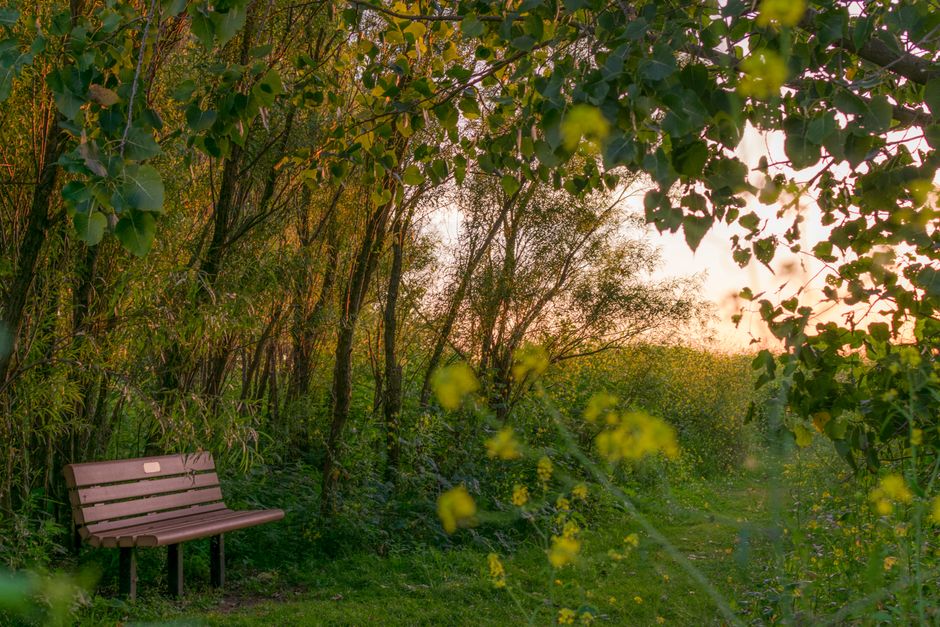
Clintonville is a neighborhood north of downtown that doesn't register on most tourist maps, but it's where a substantial portion of actual Columbus lives and works. High Street runs through it—it's a mixed commercial and residential corridor that feels like a real American neighborhood, not a gentrified showpiece or a suburb. You can walk from small apartment buildings to independent shops, coffee places, used bookstores, and restaurants that weren't opened for Instagram.
I spent a morning just walking High Street northward from campus, stopping for coffee, browsing used books at a place that's been there since the '90s, eating lunch at a casual spot with no wait and no fuss. The character is completely different from the packaged walkability of the downtown and Short North areas. This is how the city actually functions. It's boring to a lot of tourists, which is exactly why it's worth visiting.
Owens Corning World Headquarters (Architecture, No Admission Fee)
This one's more of a quick stop than a full afternoon, but if you're interested in American Modernist architecture, the Owens Corning World Headquarters building is significant and right there on the west side of downtown. It's a mid-century corporate campus design that's weathered time well. You can walk the grounds, see the building from public areas, and appreciate the design without any fee or formal ticketing.
It's the kind of place that makes sense to visit if you're already in that part of the city, or if you have a specific interest in mid-century commercial design. Don't make a special trip. But if you're walking around and see it, pause for ten minutes and look at how it was built, how it sits on the site, how the landscape was designed around it. It tells a story about how Columbus saw itself during its manufacturing and industrial peak.
The Real Value of Walking
Columbus doesn't announce itself loudly. The city rewards slow travel, the kind where you walk a neighborhood for an hour without a specific destination, double back when something catches your eye, talk to shopkeepers, sit in parks without checking your phone. Most of what's worth knowing about Columbus exists in the gaps between the promoted attractions—in the actual neighborhoods, the working streets, the public spaces where locals move through their ordinary days.
Skip a tour. Get off the main strip. Walk north into Clintonville or south into Italian Village or sit by the river on a quiet afternoon. That's when Columbus makes sense.