
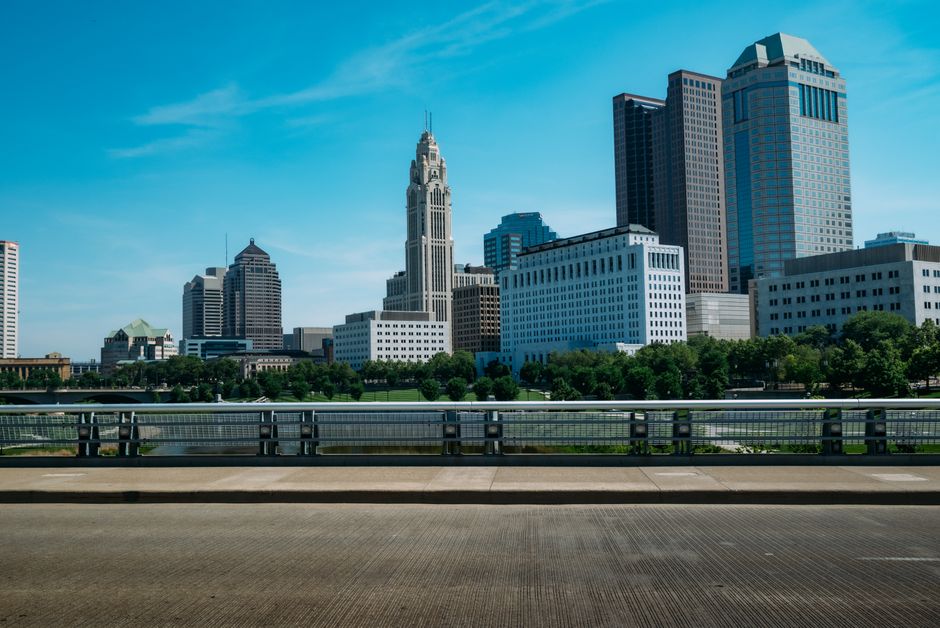
I arrived in Columbus on a Thursday evening in October, rolling into the downtown area around dusk. The first thing that struck me wasn't danger—it was how normal everything looked. Wide sidewalks. People walking dogs. A brewery on nearly every block. But I've been to enough cities to know that "normal" can shift block by block, and what's safe at 6 p.m. might feel different at midnight.
Columbus gets a fair amount of "flyover" treatment from national media. It's Ohio's largest city but rarely makes headlines the way Chicago or Detroit do. That actually makes it easier to visit: less hype to decode, fewer Instagram crowds, and actual residents who'll give you straight talk if you ask. What I'm offering here isn't panic or false reassurance. It's what I learned walking these neighborhoods myself, combined with what local residents and police data consistently point to.
The Downtown Corridor: Technically Safe, Contextually Aware
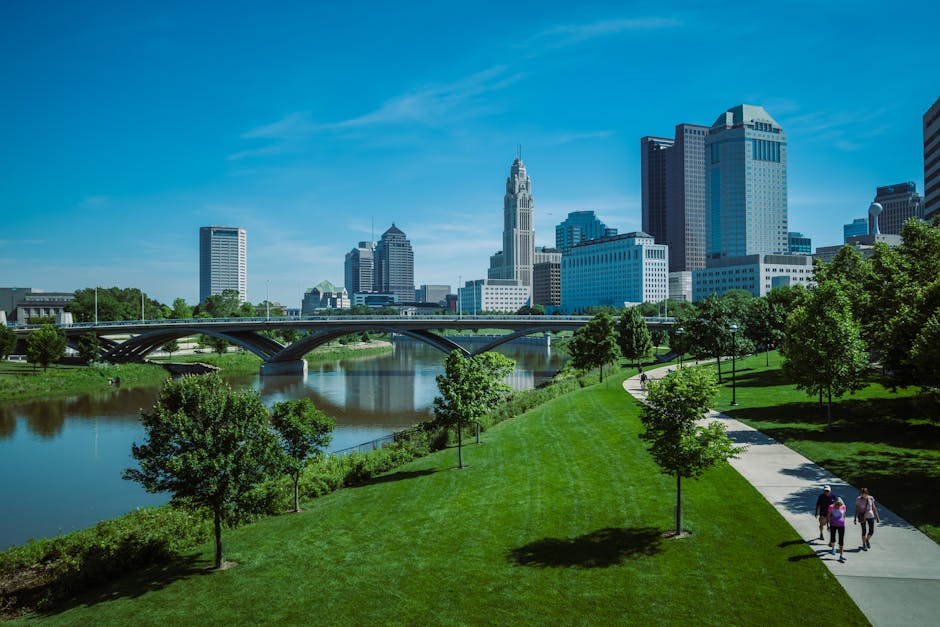
Downtown Columbus—especially the Short North, the Arena District, and the German Village edges—is genuinely busy during the day and early evening. Street lighting is solid. Foot traffic is steady enough that you don't feel alone. I walked around High Street at 8 p.m. on a Wednesday and saw groups of people heading to bars, couples, solo diners. It felt fine.
But downtown does thin out. After 11 p.m., or on quiet Sunday afternoons, certain blocks feel emptier. The north end of High Street, around the less-developed blocks near the convention center, can feel hollowed out when there isn't an event happening. Police patrol regularly, but the deterrent is mostly foot traffic. So the practical rule: stick to the lit, peopled zones during evening hours. If you're bar-hopping, use rideshare after 10 p.m. rather than walking. Not because you're guaranteed trouble—you're not—but because the city's own foot traffic isn't there to normalize your presence.

Neighborhoods With Documented Concerns
Columbus police data and local reporting consistently flag certain neighborhoods for higher property and violent crime rates: parts of the Northeast side (particularly around North High Street beyond the university district), East Side areas, and South Side neighborhoods like Franklinton (depending on the specific block). These aren't movie-set wastelands. People live here. Families run businesses. But crime statistics in these zones are measurably higher, and as a solo traveler, you should know the difference between a neighborhood you can visit during daylight versus one where you'd want local knowledge before wandering at night.
Franklinton is a useful example. The neighborhood's been gentrifying for years. There are art galleries, good restaurants, interesting breweries. Artists and young professionals have moved in. It's genuinely in flux. But crime hasn't evaporated—it's been concentrated in specific blocks. Walking into Franklinton from the downtown side during the day is fine and increasingly normal. Walking alone at night into less-developed blocks isn't a smart call unless you're meeting someone who knows the area. Same logic applies to the Near East Side near Ohio State—the university bubble is safe and vibrant, but blocks just outside that bubble operate by different rules.
German Village and Victorian Village: The Safe Zones
German Village, south of downtown, is the closest thing Columbus has to a unanimously considered safe neighborhood for solo travelers. Tree-lined streets, historic brick homes, good restaurants and shops, steady foot traffic even in the evening. I walked around there at 9 p.m. on a Friday and passed families, couples, groups of young people heading to dinner. Victorian Village, just northwest, has similar energy—younger crowd, galleries, coffee shops, a real neighborhood feel. Both have active neighborhood associations and police presence.
These areas aren't crime-free, but crime rates are notably lower, and the culture of neighborhood watch is visible. If you're new to the city and want maximum comfort as a solo traveler, base yourself here. You lose the downtown convenience, but you gain walkability without the tension.

The OSU Campus: Safe in Daytime, Context Dependent After Dark
The Ohio State University campus itself is well-lit, heavily patrolled, and full of students. During the day, it's absolutely fine to walk around as a visitor—the campus is massive and architecturally interesting. But it's a college campus, which means late-night safety depends partly on foot traffic and party activity. A Friday night at midnight around the main drag feels energized and crowded. The same walk at 2 a.m. feels different. Solo female travelers report that late-night campus walks, especially toward quieter residential sides, have prompted unwanted attention—nothing headline-making, but enough that locals recommend using campus escort services (which exist and are free) or rideshare after about 11 p.m.
The University District itself—the blocks just south and east of campus with student housing—mirrors this. Fine during the day and early evening. Less comfortable alone at 2 a.m.
Getting Around: Transit Beats Walking After Dark
Columbus's COTA bus system is decent, and the new streetcar is useful for specific routes downtown and Short North. Rideshare is cheap and available. Here's what I'd recommend: use transit or rideshare after 10 p.m., especially if you don't know the specific route well. The buses are generally safe—regular riders, visible security, drivers who pay attention—but solo travelers waiting at bus stops at midnight are more exposed than someone in a Lyft or walking in a group.
During the day, walking is fine. The city's not huge; you can cover most of downtown on foot in 30 minutes. But build in a comfort zone: stick to main streets (High Street, Broad Street, Front Street, the Main Streets of various neighborhoods). If you're exploring residential areas, do it during daylight.
Practical Precautions That Actually Matter
Don't leave stuff visible in rental cars. There's persistent property crime around parking lots, especially on the Northeast and East sides. Use parking garages in downtown or German Village rather than street parking if you're concerned.
Avoid obvious displays of wealth—expensive camera around your neck, phone in your hand while walking distracted, designer bags in obviously sketchy areas. This sounds basic, but solo travelers often get caught up in the moment and lose situational awareness.
Trust your gut. If a street or person feels off, move on. Columbus residents are generally friendly and will help if you ask for directions, but there's a difference between typical city wariness and actual danger. You'll feel the difference.
What Actually Happens Here
The reality is that violent crime against tourists in Columbus is rare. Property crime is more common—theft from cars, petty theft. The neighborhoods I flagged aren't places where you'll be randomly attacked; they're places where you might get robbed or harassed depending on visibility and timing. The difference matters.
Columbus residents themselves move through this city confidently. They don't treat downtown as a no-go zone. They walk to restaurants at 8 p.m. They use the Short North at night. They know which neighborhoods to avoid alone at 2 a.m., and they don't avoid them during the day. That's a reasonable model for a visiting solo traveler: informed caution, not paralyzing fear.
The Bottom Line
Columbus is a welcoming city for solo travelers who pay basic attention. The downtown and immediate surrounding neighborhoods—Short North, German Village, Victorian Village, the Arena District—are fine for standard solo travel. You won't feel unsafe walking around at reasonable hours. Use rideshare after 10 p.m. Avoid North High Street and East Side blocks alone at night unless you know them. Don't leave valuables visible in cars. Stay aware.
The city's real charm isn't in the neighborhoods you need to be cautious about—it's in the ones you won't. So that's where your time should go anyway.


