
I showed up in Columbus on a Saturday in early fall expecting to tick off the usual boxes: the Schiller Park, the Short North arts district, maybe catch a Buckeyes game. Instead I spent the first day doing what I always do in a new Midwest city—getting lost in a neighborhood without a plan, stumbling into small restaurants, and realizing that the famous stuff isn't always where the actual life happens. Columbus has a reputation problem. Everyone knows about the German Village with its brick streets and bistros, about the massive Ohio Stadium, about the museum district. But like most cities that have made it onto the "up and coming" lists, it's started to feel like Columbus is two cities at once: the one tourists photograph and the one locals actually enjoy.
I'm not saying the famous stuff is bad. It's just that Columbus punches way above its weight in the overlooked category, and if you're the type who'd rather find something real than spend an afternoon in a gift shop, you'll want to rethink your itinerary before you arrive.
The Overrated Circuit: What to Skip or Rethink
Ohio Stadium is a pilgrimage site for college football fans, and I get it—the place has history. But the regular tours feel like you're walking through a furniture catalog of a building that was built 100 years ago. The crowds are thick, the guides move fast, and unless you're catching an actual game, you're paying $15 to shuffle through hallways and stand in the Horseshoe looking at the same view everyone else on Instagram has already posted. If you're not a football person, this is wasted time and money.
German Village looks exactly like what a postcard designer thinks a European neighborhood should look like. The brick row houses are undeniably charming, and the restaurants are solid. But the reality is that Vine Street has turned into an outdoor mall for wealthy Columbus couples and bachelorette parties. The quiet, authentic German immigrant history got gentrified into a weekend destination. You'll pay more for dinner, deal with crowds, and the "charm" feels a bit manufactured once you realize every storefront is either a wine bar or a candle shop. It's not bad—it's just not worth the hype anymore.
The Franklin Park Conservatory is fine if you're traveling with kids or you have an afternoon and nothing else to do. The plants are real, the greenhouses are warm, but it's the kind of place that feels like it was interesting in 1995. For the same price and effort, the Scioto Greenway and its natural landscape will give you way more to remember. The Conservatory is polished and sterile in a way that suburban botanical gardens tend to be.

Why the Short North Arts District Doesn't Live Up to the Buzz
The Short North used to be an actual bohemian arts corridor. Now it's what happens when a neighborhood becomes trendy enough that landlords start charging trendy prices. The gallery openings are real, and some of the restaurants are legitimately good. But you're walking streets that look like they were designed by a developer who read about arts districts in a business textbook. The murals are photo-ops. The galleries feel like they're waiting for wealthy collectors rather than people who actually came to look at art.
If you want to see actual working artists and weird independent shops, you'll have better luck wandering the neighborhoods on either side of High Street or heading north to Worthington. The Short North has become the "safe" version of what people think an arts district should be, which is exactly the problem.
The Real Stuff: Where Columbus Actually Shows Up
Topiary Park is the kind of place that makes you understand why locals get protective about their city. It's 50 acres of sculpted hedges, topiaries, and gardens in the middle of a residential area. There's a monkey riding a bike made entirely of living plants. There's a chess game where the pieces are trimmed bushes. The place is delightfully earnest in a way that most tourist attractions have forgotten how to be. It opened in 1992 as a tribute to the movie "Edward Scissorhands," which tells you something about Columbus's sense of humor. The park is free, it's usually quiet, and it will give you the kind of weird, specific memory that makes you glad you traveled somewhere.
Worthington is a short drive north and feels like a glimpse into what Columbus's wealthier neighborhoods look like when they're not being marketed. There's the New Albany Country Club area nearby, sure, but Worthington itself is walkable, tree-lined, and has actual independent bookstores and restaurants that exist because locals want them, not because a development firm thought they'd photograph well. The Saturday farmers market at the Old Worthington Green is a genuine neighborhood gathering, not a tourist attraction. If you want to see what people in Columbus actually do on a weekend, this is it.

The Scioto Greenway Changes the Conversation
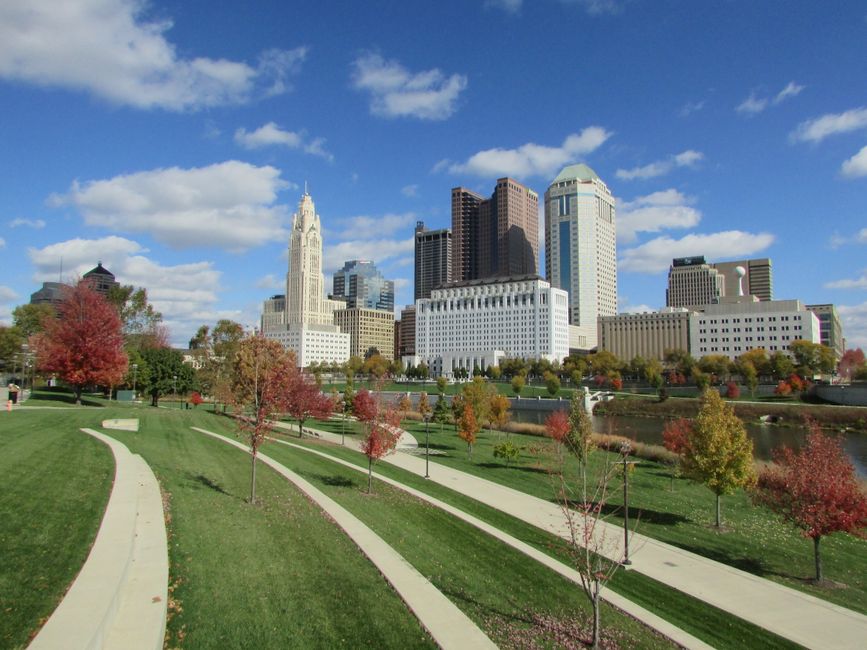
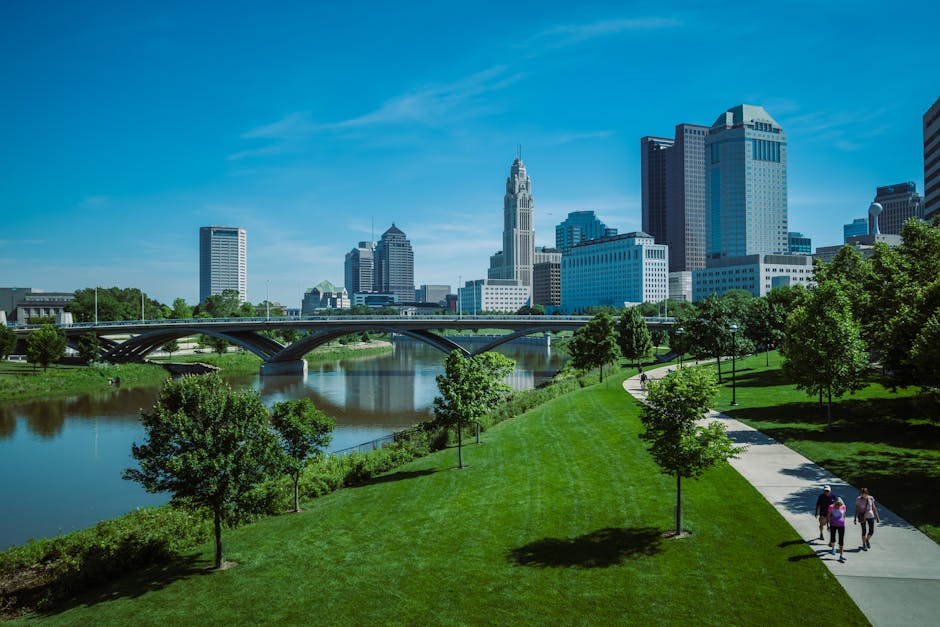
The Scioto Greenway is a 22-mile park system that runs along the Scioto River, and it's getting better every year as the city adds trail sections and connects neighborhoods. This is the thing that locals actually use and talk about. People walk it, bike it, run it. There are public art installations, kayak launch spots, and stretches where you're genuinely removed from the city despite being downtown.
The reason this matters is that the Greenway represents Columbus at its best—practical, improving, and designed for actual use rather than Instagram consumption. The parks along it, especially the central downtown stretches, give you the city's geography and energy without the tour-group chaos. If you spend an afternoon on the Greenway, you'll understand Columbus better than you would in a week of hitting the famous spots.
The Columbus Museum of Art and Why It Matters More Than You'd Think
The museum district gets mentioned in guidebooks the same way every other museum district does, but the Columbus Museum of Art itself is worth your time in a way that's hard to explain without seeing it. The building renovation a few years back gave it real character. The collection leans contemporary and accessible—you're not walking through endless rooms of old religious paintings. The contemporary art installations are genuinely interesting, and the museum does something that most mid-sized museums don't: it feels designed for people who actually live in Columbus, not just tourists.
More importantly, the museum is free on Sunday evenings, and that's when the real crowd shows up—neighborhood people, art students, families. You get a sense of what the space means to the city, which is different than visiting when you feel like you're an outsider paying admission.
Where to Actually Eat and Drink
The restaurant scene in Columbus has matured past the point where you need recommendations from guidebooks. If you walk around the Brewery District (yes, there's actually an area called that, and yes, it has breweries), Franklinton, or even the edges of the Short North that haven't been completely gentrified, you'll find good food. The advantage of arriving without a reservation list is that you get to see what the neighborhood is actually eating. That's usually better than what a magazine recommended.
If you're going to eat somewhere specific, talk to people at your hotel or coffee shop about where they actually go. Local recommendations in Columbus tend to be better than national coverage because the city hasn't been branded into submission yet. There are still plenty of places that exist because they're good, not because they're strategically positioned in an up-and-coming zone.
Frequently Asked Questions
Is German Village worth visiting Columbus
German Village is charming and worth a walk-through, but it's been heavily gentrified and crowded with tourists. The brick streets and restaurants are nice, but the area feels commercialized now. If you have limited time, prioritize other neighborhoods like Worthington or the Scioto Greenway for a more authentic Columbus experience.
What is actually free to do in Columbus Ohio
Topiary Park is completely free and one of Columbus's most unique attractions. The Scioto Greenway trails are free to use. The Columbus Museum of Art offers free admission on Sunday evenings. Many neighborhoods like Worthington are great for free walking and exploring local shops and parks.
Is Ohio Stadium worth touring
The Ohio Stadium tour is expensive and crowded, with limited appeal unless you're a serious football fan. Walking past the exterior from the street gives you the same photo opportunity for free. If you're visiting during an actual game day, the atmosphere is worth experiencing, but a guided tour during off-season isn't a good use of time or money.
What neighborhood should I stay in Columbus
Worthington is walkable, quiet, and gives you access to local life rather than tourist attractions. The Short North offers more nightlife but has become heavily commercialized. The Brewery District is good for proximity to restaurants and breweries. German Village is central but crowded. For the actual Columbus experience, Worthington or staying near the Scioto Greenway areas works better than the obvious tourist zones.
Which one would you visit?


