
I landed in Columbus on a gray April afternoon expecting a standard Midwest layover vibe. What I found instead was a city with actual neighborhood character—the kind you don't get from a hotel website or a tourism board. I spent weeks moving between German Village's red-brick streets, the coffee-fueled energy of Short North, the suburban calm of Worthington, and a few other pockets that surprised me. Not every neighborhood is for everyone, and that's the point. Where you land matters.
Columbus doesn't have the obvious tourism hierarchy of bigger cities. There's no "go here first" edict. That makes it harder to plan, sure, but also easier to find a place that actually fits how you live. I've organized this around who these neighborhoods suit—not because one is objectively better, but because I'd give different advice to a 28-year-old tech worker than I would to a couple with kids.
German Village: Historic and Walkable (For Tourists and Nostalgic Types)
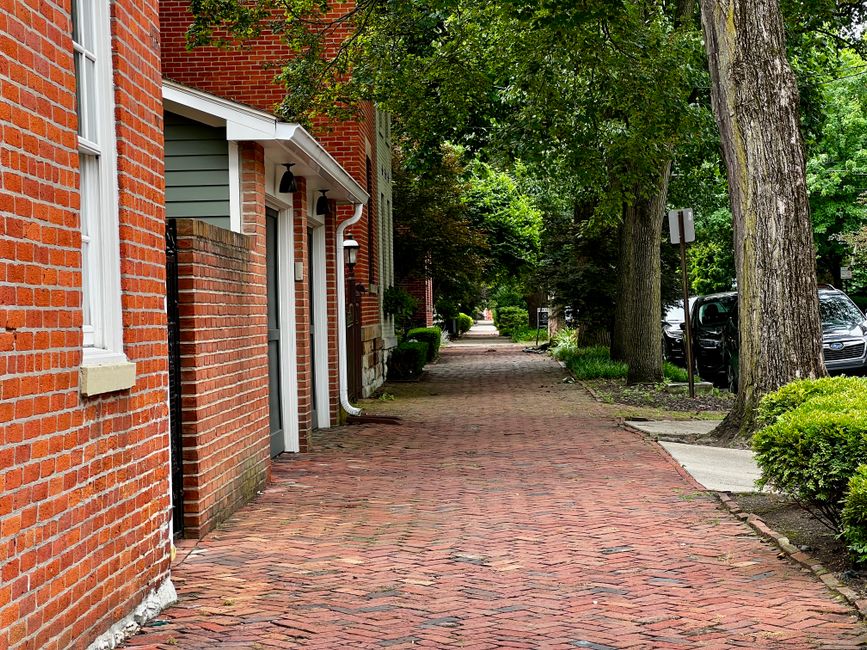
German Village was the first neighborhood that made me slow down. It's south of downtown, centered around the 200-plus acres of Schiller Park, and it looks like someone preserved a 19th-century German settlement inside a modern city—because that's exactly what happened. Red-brick townhouses, cobblestone streets, gas lamps. It's not subtle. It's not trying to be.
The neighborhood draws serious foot traffic. Weekends fill with tourists, wedding parties, and Instagram photographers. That's partly because it actually delivers: the park is genuinely beautiful, there are decent restaurants scattered through (nothing life-changing, but solid), and the architecture holds up close. Lots of galleries and small shops. It's the kind of place you can wander for two hours without a plan.
For visitors with 24 to 48 hours in Columbus, stay here. For new residents, only if you like crowds and don't mind paying premium rent for character you can't change. Young families find it appealing—the park is safe, walkable, and there's a sense of community. The downside: it can feel frozen in time, performatively quaint. And parking is a hassle.
Short North: Arts, Nightlife, Young Professionals
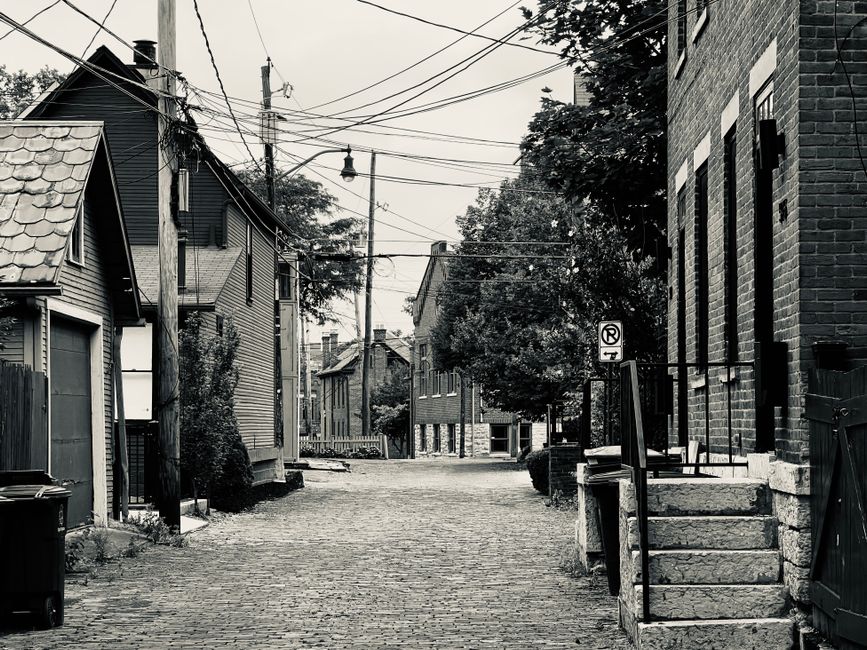
Short North is north of downtown on High Street, and it's where Columbus's creative economy actually congregates. Galleries, breweries, restaurants that aren't just competent—they're thinking about food. The neighborhood has an artsy, slightly rough-around-the-edges energy that feels earned rather than manufactured.
I spent a Friday night here and didn't leave until midnight. The ratio of genuinely good places to tourist traps skews right. There's a monthly Gallery Hop on the first Saturday. The bars fill with people who work in tech, nonprofits, design—basically everyone under 40 with a disposable income and opinions about local coffee roasters. It's vibrant without being sterile.
This suits young professionals and artists perfectly. The neighborhood also works for visitors who want nightlife and restaurants without feeling like they're at a theme park. Fair warning: it's become less of a "discovery" place and more of a "destination," which means it's crowded and rent reflects that. Families with young kids might find it exhausting. Retirees probably won't click with the bar-heavy culture.
Worthington: Suburban Comfort (For Families and Those Seeking Quiet)
Worthington sits north of the city proper, and it's an entirely different creature. Tree-lined streets, good schools, the kind of place where people mow their lawns on Saturday morning and neighbors know each other's names. It's a suburb in the best sense—quiet, safe, orderly—without feeling soulless. There's a small downtown village with some local shops and restaurants, though you're really here for the peace.
I visited on a weekday morning and saw the neighborhood at its best: empty streets, quality of light, the absence of hustle. It's perfect for families prioritizing school quality and safety. Retirees also land here often. The downside is obvious: if you want walkable nightlife or spontaneous adventure, you're driving to Short North or downtown. There's a sameness to Worthington that some people crave and others find suffocating.
Housing costs are moderate compared to German Village and competitive with Short North, but you get space—actual yards, garages, quiet. New residents with kids almost always end up here within five years.

Clintonville: College-Town Energy (For Students and Creative Types)
Clintonville is east of downtown, home to Ohio State's satellite campus and a distinct college-neighborhood flavor. It's younger, looser, filled with renters and grad students and artists who can't afford Short North. There are record shops, vintage clothing stores, coffee places that actually care about the product, and bars where the bartender might be a poet or a musician trying to make rent.
I felt the generational shift walking through here. It's not trying to be anything other than what it is—a neighborhood where young people with limited budgets live together and build something casual and real. The strip of High Street through Clintonville has decent restaurants and actual character. Housing is affordable relative to other neighborhoods with good walkability. The energy is collaborative rather than competitive.
This works brilliantly for college students, early-career creatives, and anyone who prefers communal energy to suburban quiet. It's less appealing if you want refined dining or upscale nightlife. Families with young kids would find it a bit chaotic. Retirees would feel out of place.
Grandview Heights: Affluent and Newer (For Upscale Preferences)
Grandview Heights is west of downtown and represents Columbus's wealthier, newer development. Broad avenues, a newer shopping area anchored by familiar chains and upscale independent businesses, houses that were built recently enough to have central air as a standard feature. It's not historic or quirky. It's comfortable, well-maintained, and expensive.
I walked through here and immediately understood its appeal for certain people: if you prioritize new construction, proximity to good restaurants and shopping, and a more contemporary aesthetic than German Village offers, Grandview delivers. The neighborhood feels prosperous without being pretentious. Good schools, good public safety, modern infrastructure.
It suits affluent families and early retirees who want a contemporary suburb. Visitors wouldn't stay here unless they were visiting family. Young professionals might land here if they secured a good job paying well. It's the opposite of adventurous, which is fine—it's just important to know that upfront.
Victorian Village: Artsy and Bohemian (For Creative People on a Budget)
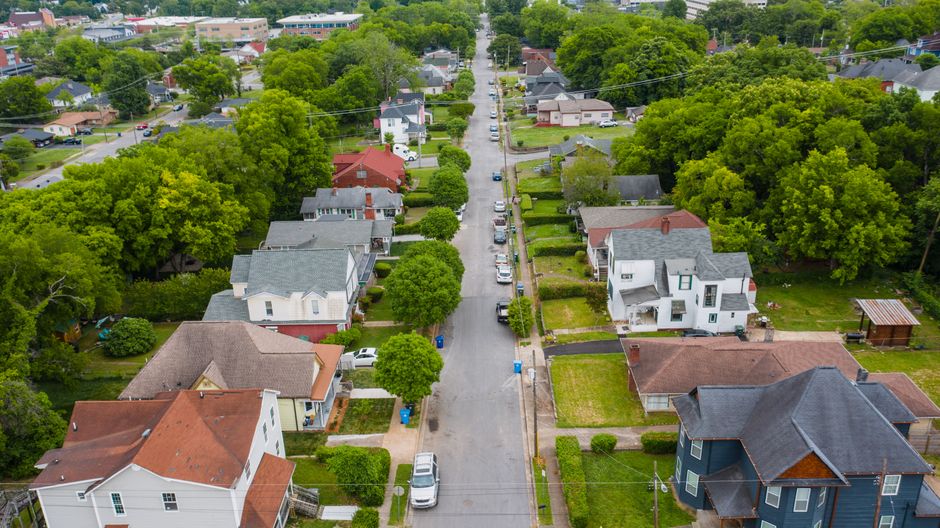
Victorian Village sits southeast of downtown and flies under the radar for most visitors. It's where artists actually live, not where they're displayed. Historic Victorian homes, affordable rents by Ohio standards, a strong arts community. There's a gallery scene, murals, the kind of street-level creativity that comes from people having room to experiment.
I found it less polished than German Village, less branded than Short North, and more authentically creative than either. The neighborhood is still emerging—it hasn't been fully gentrified yet, which means housing is cheaper and people are still doing their own thing rather than performing for an audience. The neighborhood supports murals, studio spaces, and a network of artists who actually know each other.
This works for creative professionals, artists, and anyone who values authenticity over polish. It's less walkable than Short North or German Village—you'll need a car for some things. It's still becoming whatever it's going to become, so there's some uncertainty. But that's also its strength.
Bexley: Established and Quiet (For Those Wanting Old Money Stability)
Bexley is an older, established neighborhood east of downtown with tree-lined streets, substantial homes, and an old-money aesthetic. It's been affluent for decades. Families stay here for generations. Schools are excellent. Crime is low. The neighborhood is beautiful in an understated, permanent way.
For retirees and established families who can afford it, Bexley offers stability and quality of life. It's also where you go if you want a neighborhood that feels wealthy but not ostentatious. The downside is it can feel closed—you're either in or you're not. Visitors shouldn't stay here. Young people rarely move here unless family money is involved.
Making the Choice
Columbus isn't that large, so neighborhood choice matters less here than it would in New York or Chicago. But it still matters. A couple months in each neighborhood taught me this: German Village if you want history and tourists. Short North if you want nightlife and restaurants. Worthington if you want schools and quiet. Clintonville if you want affordability and youth energy. Grandview if you want contemporary comfort. Victorian Village if you want authenticity and art. Bexley if you want established stability.
Most people find their neighborhood by accident—a job offer, a friend's recommendation, an affordable apartment. But if you're choosing deliberately, start by asking who you are in this moment of your life, not who you're trying to become. Columbus's neighborhoods are honest that way.


