
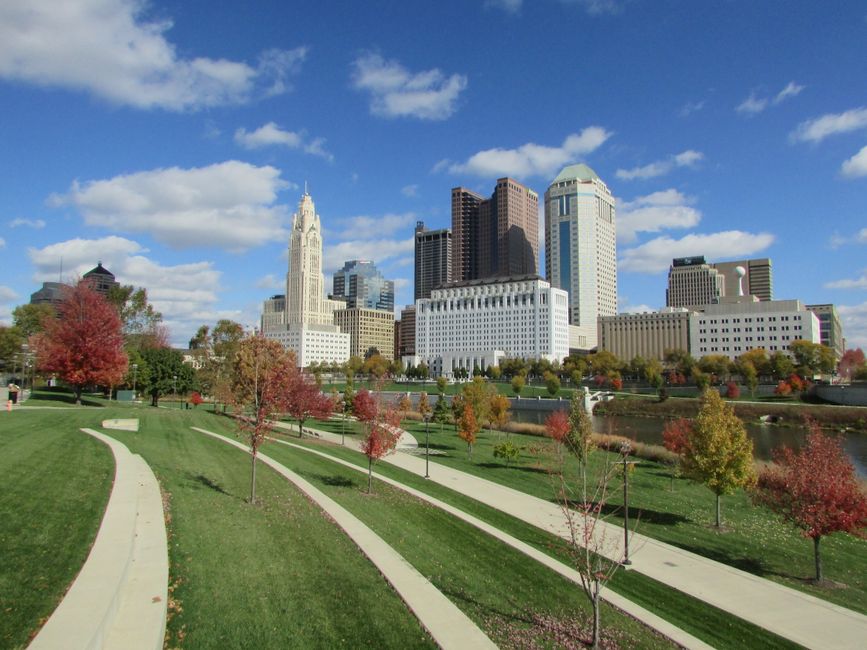
I rolled into Columbus on a Thursday afternoon, expecting the usual Midwestern sprawl. Instead, I found a city that's actively shedding its reputation as a forgettable highway stop. The tech scene is booming, the food is getting serious, and there's enough personality here to keep you occupied for a long weekend without touching the predictable tourist trail.
That said, not every famous spot is worth your time. And some of the best stuff isn't on the Instagram maps yet. I spent a week here doing what I do—walking too much, asking bartenders real questions, and taking notes on what actually holds up versus what's riding on momentum and proximity to downtown.
The Overrated Tour: What You Can Skip
Let's start with the Columbus Zoo. Yes, it's a legitimately well-run facility, and yeah, the polar bear exhibit gets people emotional. But you're paying $30-plus per person to walk around in what amounts to a very expensive park, and the crowds—especially on weekends—turn it into a cattle drive. If you're a serious zoo person, fine. If you're just looking for something to do on a nice day, you're wasting three hours here when the parks are free.
The Short North Arts District is another one. The gallery scene is real, and there are actual artists living and working here. That part's earned. But the retail corridor has calcified into boutique coffee shops and high-end consignment stores. Ten years ago, this was scrappy and weird. Now it's a lifestyle brand. You can get the vibe in 45 minutes, and after that you're just window shopping at inflated prices.
Schiller Park sounds nice in theory—public pool, lake, recreation. In practice, it's cramped, it gets murky by mid-August, and you're fighting for parking with half the North Side. Locals go, sure, but most of them wish they didn't have to. If you want a water experience, I'd honestly drive to Dillon State Park or Hocking Hills instead of settling.
Hunting for craft cocktails? High Bank Distillery gets mentioned in every travel piece about Columbus. The space is handsome, the brand story is solid, and they make competent liquor. But you're paying craft prices for something you won't remember as exceptional, and the room feels more designed for Instagram than conversation. It's a photogenic place to drink, not necessarily a place where the drinking is the point.

What Nobody's Talking About: The Real Finds
The Wexner Center for the Arts barely registers on most travelers' radar, which is wild because it's architecturally stunning and genuinely thoughtful about what it programs. The building itself—that postmodern grid structure—is worth 20 minutes alone. The exhibitions rotate constantly and skew toward challenging, contemporary work. It's free if you're just walking through. Even when there's an admission charge, it's usually under $10. You'll run into actual art students and thinkers here instead of a tour group.
Fratelli's is a small Italian joint on the South Side that's been family-run for decades and somehow avoids the foodie hot-take treatment. The pasta is made fresh, the sauce isn't overthought, and the wine list knows what it's doing without being pretentious. It's the kind of place where the owner will remember you if you come back twice. Dinner for two with wine rarely breaks $60. I watched a table of multigenerational family members there on a Tuesday—that's always the sign.
Take a walk through German Village if you must—the 19th-century brick streets and the Schiller Park area have real historical character. But skip the taverns and galleries that cater to bachelorette parties. Instead, find yourself at Katzinger's Deli, buried on what feels like an unlikely corner. The sandwiches are unfussy, the German beer selection is serious, and you'll see exactly zero out-of-towners. Get the roast beef on rye. Sit at the counter.
The Ohio History Center is aggressively boring on its face. State museum, dusty glass cases, the usual deal. But the exhibitions rotate in ways that make actual Ohio history—industrial, political, weird—feel like something that happened to real people instead of dates in a textbook. And it's a five-minute walk from the State House, which has some sharp neoclassical bones if you're into that sort of thing. Combined, you're looking at a couple hours well spent, and you won't share a room with anyone taking a selfie.
Food: Where the City's Actually Getting It Right
Columbus is in the middle of a legitimate food awakening, and it's not happening at the places with the best social media presence. The North Market is a public market that's been here since 1876, and it's bustling with actual food vendors—not upscale prepared-foods counters, but places slinging Indian food, Vietnamese sandwich shops, and fresh produce. You can eat breakfast for $8 and it's better than most brunch spots charging three times that. Go early, eat at one of the high counters, and listen to how people talk to the vendors—that'll tell you something real about the city.
Midwest Pizza and other hyper-local spots are doing real work with natural fermentation and quality ingredients, but they're crowded and you can't get a seat. Instead, find one of the city's Greek bakeries—Omega or Cinque in particular—and grab pastries and coffee. The spinach pie here is better than any recent "elevated" pizza you'll eat, and it costs four bucks. Nobody's elbowing you for a table.

The Neighborhoods That Matter
Everyone's heard of German Village. Some people mention Grandview Heights. But Clintonville—the residential area north of downtown—is where the city actually lives. Tree-lined streets, independent businesses, a community that isn't performing for tourists. Lots of people walk to coffee shops here. Kids actually seem to exist. Hit High Street and see what's real and what's just trendy enough to have caught on. The Jeni's Ice Cream flagship store is here, and yes, the ice cream is genuinely exceptional, but you already know that if you follow food media. What you might not know is that there's a coffee roaster nearby, a bookstore that isn't part of a chain, and a used record shop that's been in the same family for 30 years.
The Brewery District, on the South Side, is exactly what it sounds like—historically where Columbus made beer. It's quieter than Short North, more authentic, and the conversion from industrial to mixed-use actually feels organic instead of mandated by a development firm. The physical infrastructure is more interesting, too. These are real factory buildings, not cutesy recreated warehouse aesthetics.
Why Columbus Works for a Solo Traveler
The city's compact enough that you can move between neighborhoods on foot or a quick bus ride. People are friendly without being relentlessly chipper. There's a genuine music scene—actual bands play actual clubs—and it's not gatekept by fashion or venue prestige. The cost of living means food and drink are still reasonable compared to coastal cities, and that hasn't changed yet despite the influx of tech money.
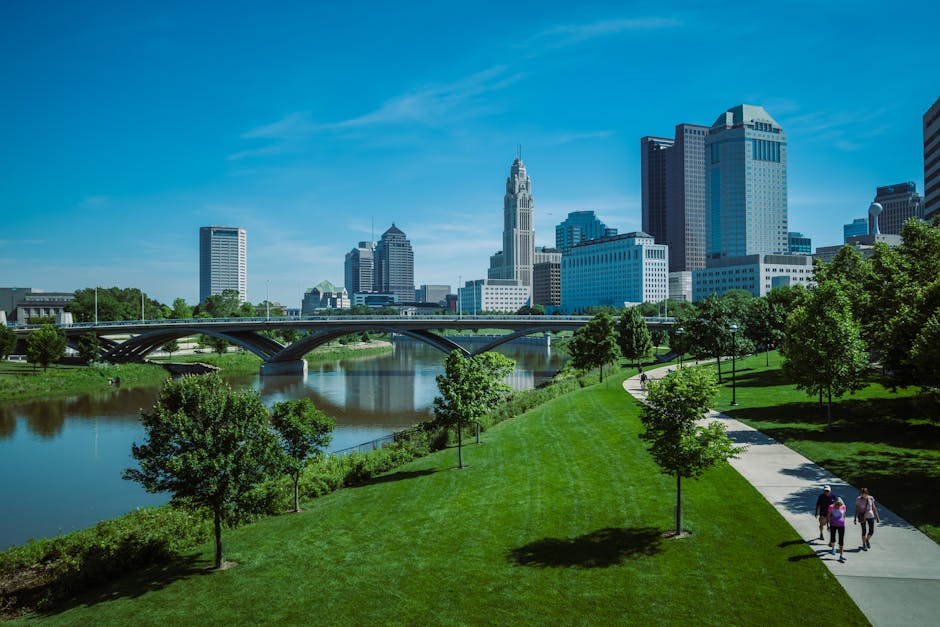
Most importantly, Columbus doesn't feel like it's auditioning for your approval. It's not desperately trying to be Brooklyn or Portland. It's fixing its own stuff—the riverfront development is happening, the downtown residential growth is real—but it's moving at its own pace. That's the thing worth traveling for.
Practical Notes
The weather here follows a Midwest script: summers are hot and humid, winters are gray and cold. Spring and fall are the real windows. The airport is compact and easy to move through. Public transportation exists but isn't comprehensive—you'll want to either rent a car or budget for rideshare if you're not sticking to neighborhoods close to downtown.
Book accommodation in Clintonville, German Village, or somewhere in Frankfort if you want to feel like you're actually living in a neighborhood instead of visiting it. The Short North hotels are overpriced for what you get. Stay three days minimum. Two days and you'll leave thinking it was fine. Three days and you'll understand what's happening.


