
I pulled into Columbus on a gray November afternoon, and I'll be honest—my expectations were cautious. Midwest cities get overshadowed by their bigger siblings, and Ohio's capital seemed easy to dismiss from a distance. But within twenty minutes of driving through different neighborhoods, that changed. Columbus isn't trying to be New York or Chicago. It's its own thing: walkable pockets with real character, restaurants that aren't chasing Instagram trends, and plenty of room to actually breathe.
My first visit lasted three days. I've been back five times since. That's usually when I know a city has substance. Columbus has it.
German Village: Cobblestones and Brick Comfort
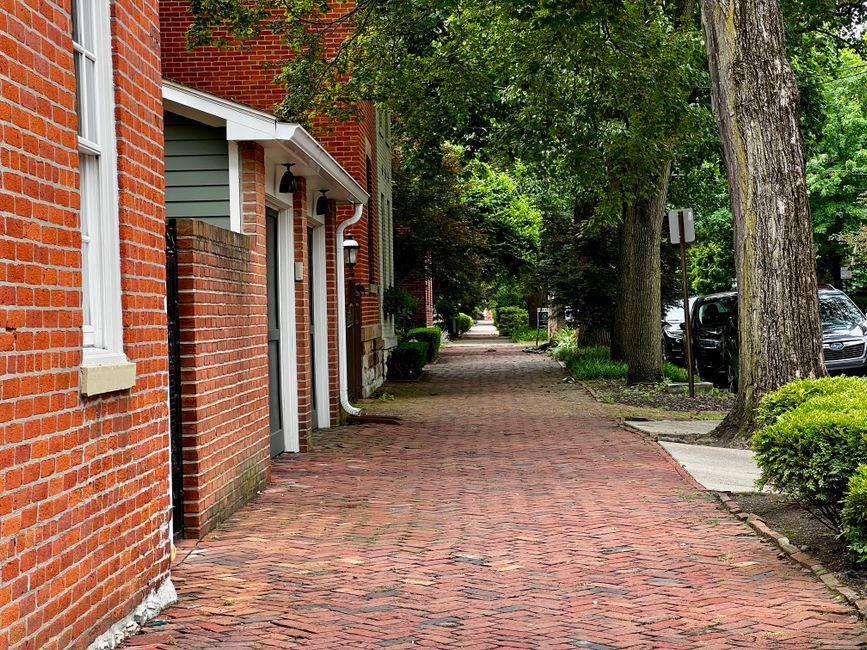
German Village is the postcard neighborhood, and for once the postcard isn't misleading. Red-brick row houses, tree-lined streets, and that cobblestone main drag (South High Street) create an atmosphere that feels almost intentionally charming. But it works because the charm is genuine—the neighborhood's German heritage actually goes back to the 1800s, not some recent revitalization fantasy.
It suits tourists and young couples in particular. You can walk everywhere. Restaurants cluster along South High, from casual sandwich shops to nicer dinner spots. The Bookstore on South High is exactly what an independent bookstore should be. The Brewery District is a short walk, and the parks (especially Schiller Park) are well-maintained and busy without feeling cramped.
New residents should know: German Village has gotten pricier over the last decade. If you're buying or renting, expect to pay more than surrounding neighborhoods. Parking can be tight on weekends, especially if there's an event at one of the local bars. The neighborhood also draws bachelor and bachelorette parties—it's a destination for that crowd, which adds a different energy on Friday and Saturday nights than during the week.
Short North: Art, Galleries, and Nightlife Energy
Short North sits north of downtown and has positioned itself as the creative hub. Gallery Hop happens the first Saturday of every month, and the blocks between 4th and Buttles fill with people. Murals cover walls. Vintage clothing stores, coffee shops with actual personality, and bars that aren't chains dominate the streetscape.
This is where young professionals land. Most of the residents I met here work downtown or in tech. The nightlife is legitimate—more than just generic bars—and the daytime walkability means you can grab breakfast, hit a gallery or two, and stay put for the evening without needing a car. The Short North Pointe apartments and condos have exploded in the last five years, some sleek enough that they'd fit in any major city.
The reality: Short North is also gentrifying quickly. Prices have climbed. Some longtime small businesses have been priced out. The neighborhood hasn't lost character, but it's definitely in transition. If you're looking for "edgy and undiscovered," this isn't it anymore. If you want walkable urban living with decent restaurants and actual things to do, it delivers.
Clintonville: Families, Oak Trees, and Quiet Walkability
Clintonville is the neighborhood where people with kids actually move to. It's north of Short North but entirely different in feel—tree-heavy, more residential, with blocks of well-kept houses from different eras. The main commercial stretch (High Street through this area) has a village-like quality: coffee shops where baristas remember your name, a hardware store, toy shops, bookstores.
Families choose Clintonville for good schools, parks with playgrounds that don't look like they're about to collapse, and a general sense of safety and stability. It's also more walkable than most American suburbs, which means kids can actually get to ice cream shops or the library on foot. I watched a group of maybe eight kids ride bikes to a local pizza place on a Saturday afternoon—the kind of thing that doesn't happen everywhere anymore.
For young professionals without kids, Clintonville can feel a step removed from the action, but that's partly the point. If you want walkable city living with a quieter pace, without paying German Village prices, it's worth the consideration. Parking is easy. Rents are reasonable. The vibe is genuinely friendly without being aggressively quirky.

Ohio City: River Views and Maker Culture
Ohio City is west of downtown, across the Scioto River. For years it was the neighborhood people drove past. Now it's where people actually want to live. The Brewery District—not to be confused with German Village—sits here, along with coffee roasters, shops, and that particular kind of neighborhood coolness that comes from artists and makers moving in first.
The neighborhood has grit that German Village doesn't. You'll see older industrial buildings repurposed as lofts and workspaces. Walkability is real, though less dense than Short North. The riverfront is genuinely nice for running or walking, with actual parks that have been improved in the last few years.
Ohio City appeals to people who want proximity to downtown (it's very close) but prefer a less manicured aesthetic. New residents here tend to be a mix—some working in creative fields, some just wanting space and slightly lower prices than German Village. The restaurant and bar scene is solid and growing, though it hasn't yet reached the saturation point of German Village or Short North. It's also the neighborhood where you're most likely to see what actual development and change look like as it happens.
Worthington: Suburb Comfort with Real Character
Worthington sits north of Columbus proper, and it's where I've seen the most obvious demographic split: families, and people in their 50s and 60s. It's a real suburb—more car-dependent than the urban neighborhoods—but it has a genuine downtown (High Street through Worthington) that's walkable and has local businesses.
Schools are among the best in the Columbus metro area, which is what draws families. Retirees choose it for safety, ease of navigation, and because nothing feels chaotic. Parks are abundant and well-maintained. There's a farmers market on Saturdays. It's the kind of place where neighbors actually know each other, which sounds cliched until you experience how rare that is in most American neighborhoods.
For solo travelers or young professionals, Worthington probably isn't it. But if you're relocating with family and proximity to good schools matters, or if you're retired and want a community that feels intentional, it's worth a serious look. The trade-off is that you'll drive to most social activities, and the nightlife (such as it is) is conservative.
Practical Realities and How to Actually Choose
Here's the thing about Columbus neighborhoods: the city is large enough that commuting between them takes real time. German Village to Worthington is 25-30 minutes depending on traffic. German Village to Clintonville is 15 minutes. That matters when you're choosing where to live or deciding which neighborhood to spend an evening in.
Budget matters too, more than people admit. German Village and Short North will run you more. Clintonville is middle ground. Ohio City is catching up but still slightly cheaper. Worthington is the most affordable if you don't mind the car dependency.
My approach: spend a evening in each neighborhood if you have time. Eat lunch, walk around without a specific agenda, notice which one you naturally relax in. Columbus is friendly enough that talking to people—baristas, bartenders, people sitting on porches—gives you honest impressions. Don't just read about neighborhoods online. The character of a place comes through in its texture, and you have to be there to feel it.


