I rolled into Denver on a Saturday morning with the usual guidebook expectations: Red Rocks, craft beer, mountains. Three days later, I'd rewritten my entire itinerary. Some of the city's biggest draws felt like expensive photo ops surrounded by tour groups. Meanwhile, I stumbled into neighborhoods and museums that did the actual work of explaining who Denver is—and none of them required a $30 parking fee.
This isn't about being a contrarian for its own sake. Denver's a genuinely good city to visit, especially if you know which way to point yourself. The problem is that tourism boards and Instagram have convinced too many people that the same five things are the only things. They aren't.
Red Rocks Park & Amphitheatre: The Overrated Icon
Red Rocks is stunning. Let's get that out of the way. The geology is real. The venues that have played here are legendary. And yet—the experience of actually going there as a tourist in summer is parking hell, $18 to hike trails you could walk for free in a dozen other places, and either paying $100-plus for a concert ticket or shuffling through crowds taking the same sunset photo as 5,000 other people.
The amphitheatre is only open for events or pre-booked stadium tours. If you go just to see it, you're paying to look at the outside. The trails are nice but narrow, managed, and packed. You can see comparable rock formations in the foothills for a fraction of the hassle. Red Rocks has earned its reputation through legitimate history, but it's operating now as a brand, not an experience.
Sixteenth Street Mall: Overrated Then, Overrated Now
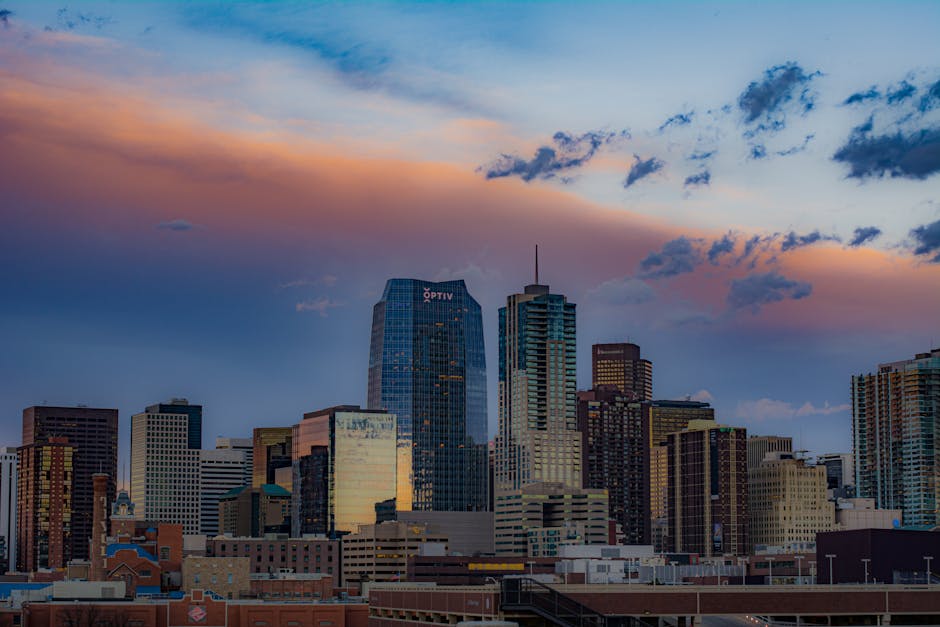
Downtown Denver's main shopping drag used to be the thing. Now it's a pedestrian mall with chains you can find anywhere, homeless encampments, and not much reason to be there unless you need a T-shirt from a Gap. It's clean enough, sure, but sterile in a way that feels dated. The street performers are occasional. The energy is thin. People still recommend it because it's mapped out on old guidebooks, but even locals don't come here except to cut through.
If you want retail or food, South Pearl Street does both better with actual character. If you want downtown atmosphere, the LoDo (Lower Downtown) area around 17th and Wynkoop has galleries, breweries, and historical architecture that actually justify a trip. Sixteenth Street Mall is the tourism version of downtown Denver, not the real one.
Washington Park's Popularity Problem
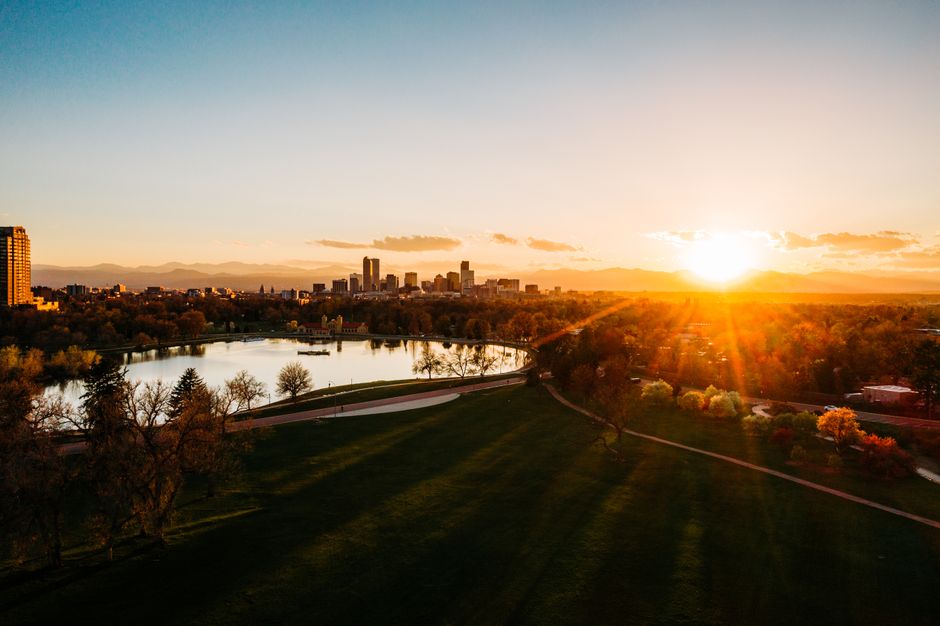
Washington Park—or "Wash Park" locally—is genuinely nice. 155 acres, two lakes, shade, trails, and it's been Denver's green space since 1899. The problem: it's so packed on weekends that finding a spot to sit without tripping over someone's yoga mat is nearly impossible. The parking situation is a standing joke. Food vendors are corporate and mediocre.
Bear Lake Park, just 20 minutes away in the foothills, gives you actual solitude, better water views, and actual hiking that doesn't feel like a crowded playground. Or if you want to stay closer to downtown, Sloan Lake on the northeast side has a different vibe entirely—fewer tourists, real locals, and you can walk the full 1.3-mile loop without dodging strollers. Wash Park isn't bad; it's just not the only option, and it's definitely not worth the weekend crush.
The South Pearl Street Renaissance: Quietly Underrated
South Pearl Street between Evans and Louisiana doesn't get the same hype as downtown, but it's where Denver's post-2010 character actually lives. Independent restaurants, coffee roasters that care about beans, galleries that show local artists, vintage shops, and a mix of younger and older Denver that feels organic instead of manufactured.
You can grab a serious coffee at Denver's Bean there, eat at any number of restaurants that aren't franchises, and walk into the South Pearl Street Farmers Market (year-round on Saturdays) without feeling like you're in a tourist gauntlet. The neighborhood hasn't been completely sanitized for Instagram—there are still rough edges, real residents, and places that look like they've been there for five years instead of five months. It's where I'd actually want to spend a day if I lived here.
The Highlands Neighborhood: Underrated Beyond Beer
Yes, the Highlands has breweries. Everyone knows about the breweries. Great Divide, Denver Beer Co., Odell's all have locations here. But the neighborhood itself—roughly from 25th to 46th, Federal to Highland—is underrated as a place to actually walk around, eat, and get a sense of how Denver's middle class actually lives.
There are taquerias that have been family-run for years, used bookstores, a music venue or two, antique shops, and blocks where you can see Denver changing in real time without it feeling gentrified-and-done. Highland Neighborhood Bar isn't a tourism destination; it's where the neighborhood gathers. The restaurants here are places people go because they're good, not because they're on a list. Spend an afternoon on Highland Avenue itself, eat at a place that doesn't have an Instagram handle, and you'll understand Denver better than any Red Rocks sunset.

Denver Art Museum: The Case for Depth Over Flash
Denver Art Museum gets decent foot traffic and decent reviews, but it's overshadowed by the natural attractions and brewery scene. That's a mistake. The museum has an actual collection—strong in Native American art, contemporary work, and regional artists—and it's never as crushed as major metro museums.
You can actually spend time looking at things here without feeling rushed. The building itself, designed by Daniel Libeskind, is striking without being precious. Admission is $22 (less for Colorado residents), and you can move through at your own pace. It's the kind of museum that rewards actually being curious instead of checking boxes. I spent a full morning there and didn't feel herded or trapped in crowds. That's increasingly rare, and worth seeking out.
The Highlands Library: Underrated in Plain Sight
This sounds like a joke recommendation, but Denver's Highlands Library branch is genuinely one of the nicest public buildings in the city—and almost nobody visits it as a destination. It's a public library, free to enter, with a rooftop reading area, actual quiet spaces, and architectural details that suggest someone cared deeply about the building.
You can sit up there on the roof for as long as you want with a book, watch the city, and pay nothing. In winter, the indoor reading rooms have huge windows and real furniture. It's not the kind of place tourists think to go, which makes it perfect. Libraries are underrated travel destinations in general because they show you how communities actually work, not how they've been packaged for visitors.
The Real Take
Denver works if you skip the box-checking. Red Rocks will still be there, but you don't need to do it. The breweries are good, but the neighborhood around them is better. The view from downtown is fine, but the view from Bear Lake is worth the short drive. The city's real character isn't in the attractions you've heard about—it's in the blocks between them, in the restaurants that don't advertise, in the neighborhoods where people actually live.
That's not a radical statement. It's true of most cities. Denver just happens to have so many well-marketed defaults that it's easy to miss the actual place. Give yourself one day to do whatever you came to do, then spend the rest finding what Denver actually is to the people who live here. That's where the trip gets better.
Frequently Asked Questions
Is Red Rocks worth visiting if you don't have concert tickets?
Not really. You can't see the amphitheater interior without a paid event or expensive stadium tour, and the hiking trails cost $18 and aren't significantly different from free trails in the foothills. If you want dramatic red rock scenery without the crowd and cost, Bear Lake Park or trails in the nearby foothills offer similar geology for free.
What's a less crowded alternative to Washington Park in Denver?
Bear Lake Park in the foothills, about 20 minutes away, offers similar water views and walking trails without the weekend crush. Sloan Lake on the northeast side is also less packed and has a more local feel with good views and an accessible 1.3-mile loop.
Where can I find real Denver neighborhoods instead of tourist areas?
South Pearl Street between Evans and Louisiana, the Highlands around Highland Avenue and 25th Street, and areas like RiNo (River North) show where Denver's residents actually spend time. These neighborhoods have independent restaurants, local shops, and aren't entirely aimed at visitors.
Is Denver's beer scene worth visiting for besides the breweries?
The Highlands neighborhood where many breweries sit is worth exploring on foot for its local restaurants, vintage shops, and music venues—not just for beer. You can experience brewing without making breweries your only focus by walking the neighborhood and eating where locals eat.
Which one would you visit?