
I landed at DIA on a dry October afternoon—the kind of clarity you only get at a mile high—and immediately felt the pull of competing Denver personalities. The city sprawls in a way that surprises you when you're used to compact East Coast neighborhoods. Within thirty minutes I could be in the heart of downtown's glass towers, in a Victorian bungalow zone where young professionals are gutting and renovating, or in a quiet residential pocket where families have lived for two generations. That's Denver's real appeal for visitors considering a longer stay or anyone weighing where to plant roots.
The neighborhood game here matters more than in a lot of cities. You're not just picking a postcode—you're choosing a lifestyle. Some areas are rapidly changing, others are deliberately sleepy, and a few are banking their identity on being exactly where the money moves next. I've spent enough time in Denver over the past few years to develop real opinions about where different kinds of people actually thrive. Here's what I found.
LoDo: The Tourist Default and the Inevitable Trade-offs
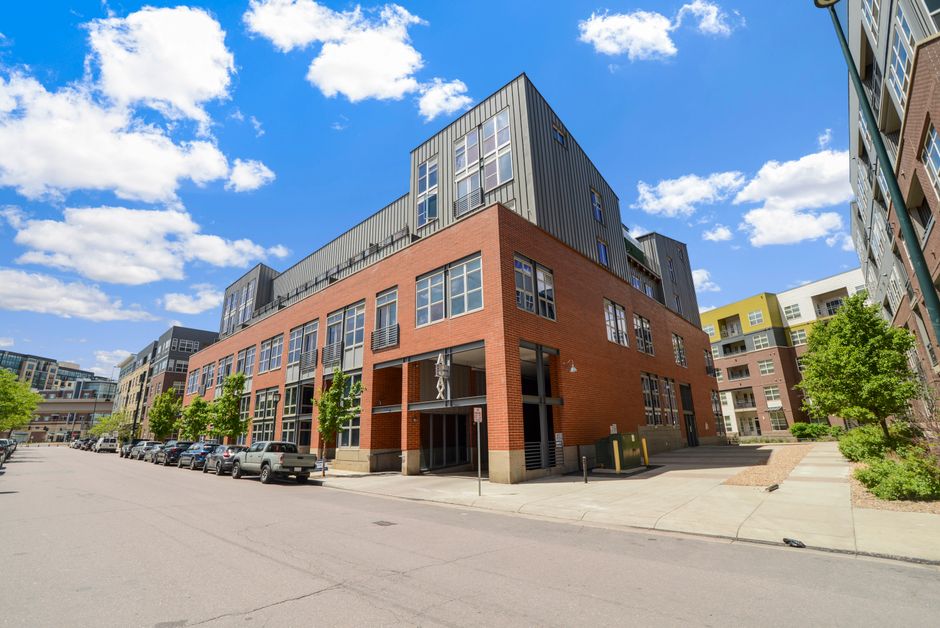
Lower Downtown is the postcard version of Denver. The restored brick warehouses, the buzzing breweries, the proximity to everything downtown—it's why most first-time visitors end up here, and it's not a bad call if you want walkability and don't mind paying for convenience.
But let's be honest: it's loud. Really loud. The 16th Street Mall runs through the neighborhood's eastern edge, and weekend nights bring a particular kind of chaos—bachelorette parties, roving college kids, the kind of energy that energizes some people and drives others to their earplugs by 11 p.m. If you're young, new to the city, and want to wake up in a neighborhood where you don't have to drive anywhere, LoDo works. Spend a weekend here first to see if the noise bothers you. For families or anyone seeking actual quiet, it's probably not the move.
Capitol Hill: Where the Artists Went Before the Tech Money Arrived
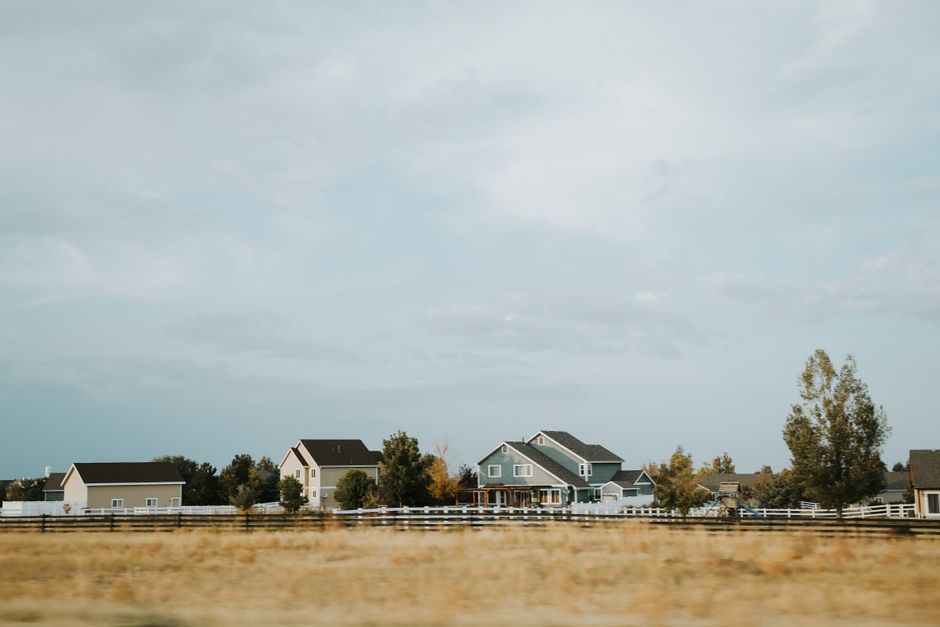
Capitol Hill has been gently steepening its real estate curve for about a decade now, but it still reads as scrappy compared to LoDo. The neighborhood fans out from the Capitol building south and west, a tangle of tree-lined blocks where the architecture jumps between Victorian Victorians (sometimes gaudily painted), bungalows from the early 1900s, and increasing numbers of newer townhouses.
You'll find more actual character here than in shinier neighborhoods. Independent coffee shops, used bookstores, venues that still book live music instead of just DJ sets. The bar scene skews less bachelorette-party and more people-who-actually-live-here. Young professionals and creative types (designers, writers, people who work from coffee shops) are the core demographic, though families are moving in as they discover that you can buy a smaller Victorian and make it work.
Be aware: parking is street-only, which gets old fast if you're used to driving everywhere. The homeless population is visible, concentrated around a few blocks, so do a walking tour during daylight to see if you're comfortable with the reality of what Colorado's homelessness problem actually looks like up close. The neighborhood isn't unsafe—it's just urban in a way that sanitized downtown doesn't feel.
Cherry Creek: The Glossy Neighborhood (If Your Budget Allows)
If LoDo is where tourists go, Cherry Creek is where money goes. It's the neighborhood directly southeast of downtown, centered around a creek, anchored by high-end retail, and increasingly dominated by new development that costs so much you have to stop asking the price.
There's a certain kind of new resident—tech transplants, established professionals, people relocating from places like San Francisco and bringing Bay Area salary expectations—who finds Cherry Creek immediately comfortable. Everything is new, clean, and expensive. The restaurants trend toward upscale. The apartments and condos are designed by people who have thought about every detail. You won't feel like you're roughing it.
For tourists and vacation-rental visitors, a week or two in Cherry Creek can be pleasant if you don't mind being in a neighborhood that feels more like a resort than a city. For permanent residents, especially on a typical Denver salary, it's increasingly out of reach unless you're doing really well. The trade-off is that you get safety, convenience, and no surprises—which some people want and others find spiritually deadening.
Congress Park: The Neighborhood Where Families Actually Thrive
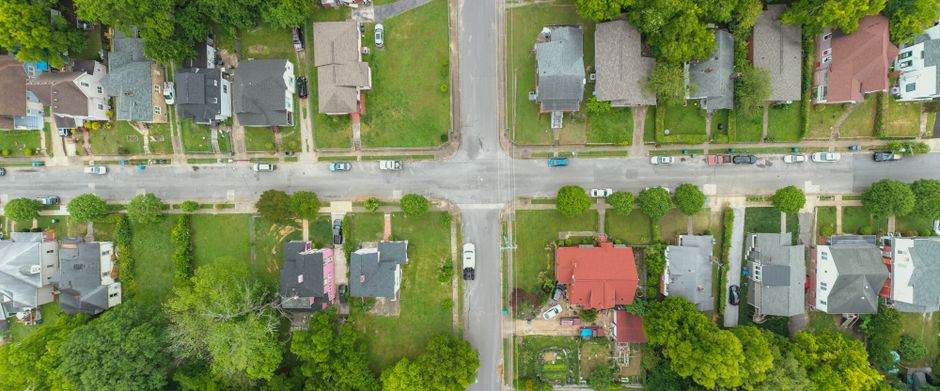
Here's where I'd tell people with kids to look first. Congress Park sits south of downtown, defined partly by the existence of an actual park—a large, wooded green space that anchors the neighborhood's identity. The blocks around it are quiet, leafy, full of people who've been here awhile and aren't going anywhere.
The housing stock is mostly older single-family homes and some duplexes, which means actual yards, porches, and the kind of space that drives people with children to tears of gratitude. Schools are solid. There's a casual neighborhood commercial strip with a grocery store, coffee places, a few bars where you'll recognize faces. The demographic skews older than downtown but not retiree-heavy—mostly people in their 30s, 40s, and 50s who chose this neighborhood specifically because it offers what urban neighborhoods usually don't: quiet, breathing room, and a sense that you're raising kids somewhere, not just passing through.
The trade-off is that you need a car. The neighborhood isn't walkable in the way Capitol Hill is—you're driving to most things. But if you're building a life in Denver rather than performing it on Instagram, Congress Park is worth serious consideration.
South Pearl: The Compromise Between Walkability and Actual Space
South Pearl Street—a strip that runs roughly through the southern edge of downtown and into neighborhoods below it—has become the city's most visible gentrification story over the past five years. Old warehouse blocks are being converted into mixed-use developments with ground-floor restaurants and rooftop bars. Young professionals have been seeping in, prices are rising predictably, and by next year it'll probably feel even more developed.
Right now, it's in a sweet spot where you get real walkability—coffee, groceries, restaurants where you don't need a reservation—but without the chaos of LoDo or the full-resort atmosphere of Cherry Creek. The neighborhood still has character because the gentrification is partial, visible, and recent enough that old businesses and new ones are coexisting. That won't last forever.
If you're a young professional, single or coupled, without kids, and you want the ability to walk to dinner and drink, this is probably the most realistic sweet spot right now. Prices are climbing but not yet astronomical. The energy is upbeat without being aggressively party-focused. Spend a weekend evening here—grab a drink on Pearl Street itself—and you'll get an instant sense of whether this matches your Denver vision.
Highlands: The Neighborhood That Thinks It's a Small Town
The Highlands sit northwest of downtown, separated enough to feel like a distinct village even though you're technically part of Denver proper. It's been quietly successful at maintaining an identity—local restaurants, a farmers market, a lot of people who work remotely and chose the Highlands because they liked the vibe, not because it was the path of least resistance.
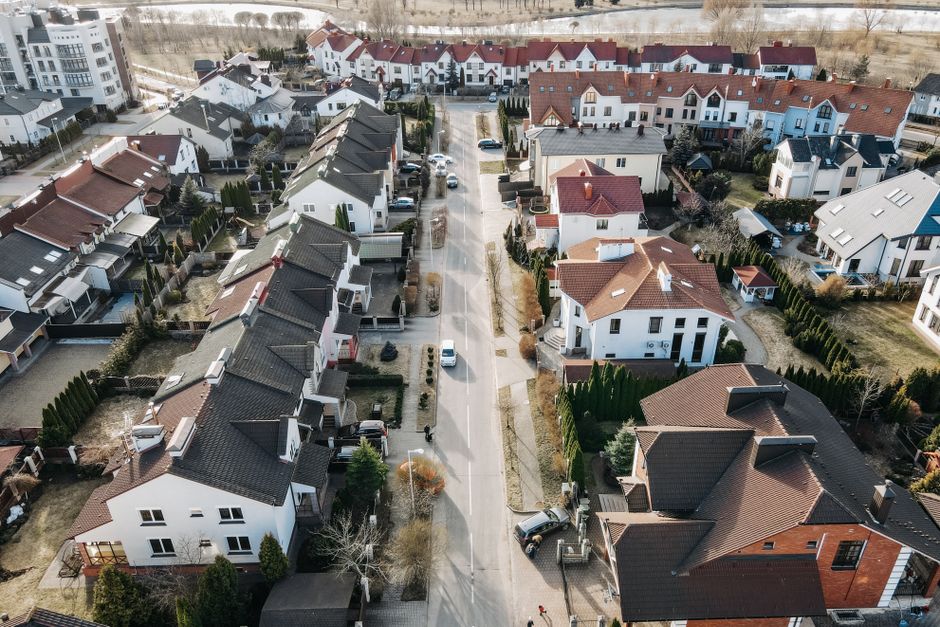
The neighborhood skews older and steadier than Capitol Hill or South Pearl—more people in their 40s and 50s, more established couples, some families. There's money here but it doesn't announce itself loudly. The architecture is a mix: some older houses, lots of newer construction, a few renovated bungalows. The commercial strip on West 32nd Avenue is the heart, walkable for neighborhood needs but not the kind of place where you're spontaneously discovering new restaurants.
Visitors and new residents should know that the Highlands works best if you actually want the small-town-within-the-city thing. If you're seeking walkability to museums, downtown's job market, and nightlife, this is a compromise—you'll drive more than you would in Capitol Hill or South Pearl. But if you want actual quiet, a slower pace, and a neighborhood where people seem happy to not be the center of attention, it's quietly excellent.
The Reality of Choosing: What Actually Matters
After spending enough time in Denver across multiple seasons, I've learned that the neighborhood choice usually matters less than people's expectations. Someone who moves to Capitol Hill expecting nightlife but ends up needing sleep will always resent the neighborhood. Someone who chooses Congress Park for walkability but actually drives everywhere will wonder why they're not in Cherry Creek where the driving is easier.
Before picking, do this: Spend a full day in your chosen neighborhood. Walk around at different times. Try to buy groceries. See where people are actually sitting. Notice whether you see the kind of human density you want or need to escape. Visit on a Friday night and a Tuesday morning. Talk to people at coffee shops if you're comfortable with that.
Denver is changing fast enough that neighborhood character can shift noticeably within two years. What matters is matching your actual lifestyle—not your aspirational lifestyle—to a neighborhood's existing rhythm. The city's small enough that you can do this research without flying in three times. One good weekend usually tells you what you need to know.



