I rolled into Denver on a Tuesday morning with the usual tourist checklist in my head. Red Rocks at sunset, the Art Museum, maybe catch a Rockies game. Three days in, I'd eaten my share of overpriced farm-to-table and waited in lines that made me question every Instagram recommendation I'd bookmarked. But I also stumbled into some corners of this city that actually felt alive—places where locals were ordering drinks, not taking selfies.
I'm not here to trash Denver. It's a genuinely good city with real bones. But like anywhere that's gotten a little famous, it's developed a gap between what the guidebooks tell you to do and what actually rewards the time investment. After walking every neighborhood from LoDo to Highlands, I've got opinions. Some spots you can skip without missing anything. Others will make you wonder why they're not packed with people.
Red Rocks Looks Better Than It Treats You
Red Rocks Amphitheatre is stunning. No argument. The geology is real, the venue's history is impressive, and yes, it photographs impossibly well. But I showed up on a concert night—thought I'd just walk the grounds, soak it in. Turns out you can't get anywhere near the amphitheater without a ticket. The grounds feel cordoned off, monetized, gated. You're essentially looking at it through a fence.
If you're going to spend the entrance fee or buy concert tickets, fine. But if you're hoping for a casual wander through this iconic landscape, you'll be disappointed. The Red Rocks Trading Post gift shop and the parking situation are just the warm-up act for frustration. I've talked to enough Denver regulars who haven't been back in years because the experience never quite matches the mythology.
The Denver Art Museum: Pretty Building, Crowded Rooms
The Denver Art Museum (DAM) gets mentioned in every travel write-up as if it's the Louvre of the Rockies. The architecture is distinctive, sure—those sharp angles against the downtown skyline are photogenic. But inside, it's shoulder-to-shoulder tourists funneling through galleries that feel organized more for foot traffic than contemplation.
I spent ninety minutes there and saw maybe three rooms thoroughly before the crowds pushed me out. The Western art collection has merit, but you'll spend half your time just trying to read the wall text without someone blocking your view. If you're here for one day, I'd honestly skip it in favor of smaller, quieter museums, or spend that money and time somewhere else entirely.
Better Bets: The Clyfford Still Museum and Smaller Spaces
The Clyfford Still Museum is a block away from downtown and virtually empty. Seriously. I walked in on a Saturday and had entire rooms to myself. The collection is smaller, more focused—mostly large abstract works that demand actual attention, and you can actually give it to them. Admission is under $20, and the building itself is worth the visit: intimate, well-lit, designed around the paintings instead of around capacity.
If you want something even more niche, the Forney Museum of Transportation in a former trolley barn is genuinely weird in the best way—a collection of restored carriages, old cars, locomotives, and oddball vehicles that feels like you've wandered into someone's personal obsession (which you kind of have). It's the opposite of a tourist assembly line. You'll see maybe a dozen other people the whole time you're there.
16th Street Mall Is Where Time Goes to Die
Sixteenth Street looks like downtown Denver on the postcards: a pedestrian mall with chain stores, a few restaurants, street performers, maybe a craft beer stand. It's also where visitors get trapped in retail purgatory for hours. There's nothing here you can't find in any other American city. The shops are mostly names you already know. The restaurants are aggressively mediocre.
Worse, the mall itself feels subtly exhausting—too many people, too much concrete, nowhere actually interesting to sit and think. I watched tourists shuffle from one end to the other like they were checking boxes. It's efficient if you need a specific store, but for an actual Denver experience, it's genuinely a waste of daylight.
South Broadway and the Quirky Blocks Most Visitors Never See
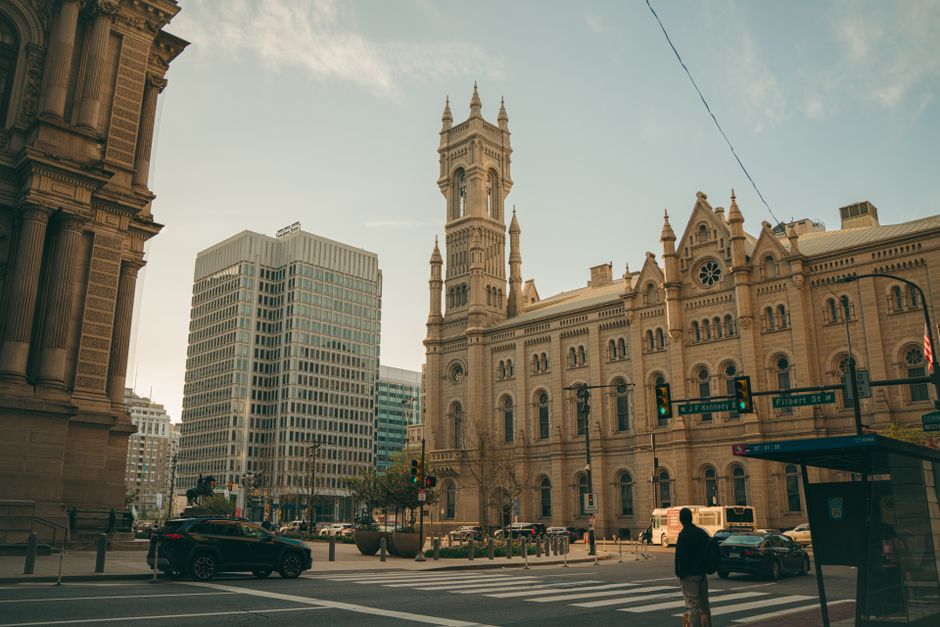
South Broadway between Evans and Bayaud is where Denver's actual character lives. Vintage bookstores, used record shops, thrift stores that stock actual vintage (not curated Instagram-bait). Local bars like Southern Sun Pub and Brewery don't care if you're a tourist. The older apartment buildings, the mix of families and artists and people who've been here for twenty years—this is what Denver actually looks like when there's no marketing budget behind it.
I spent a whole afternoon just walking in and out of shops, sitting in a little coffee place that sold bags of beans from a roaster you've never heard of, talking to the owner about neighborhoods. This is neighborhood-level Denver, not destination Denver. It costs nothing to just be here. And somehow that's exactly what makes it worth your time.
The Colorado State Capitol Tour: Marble and Tedium
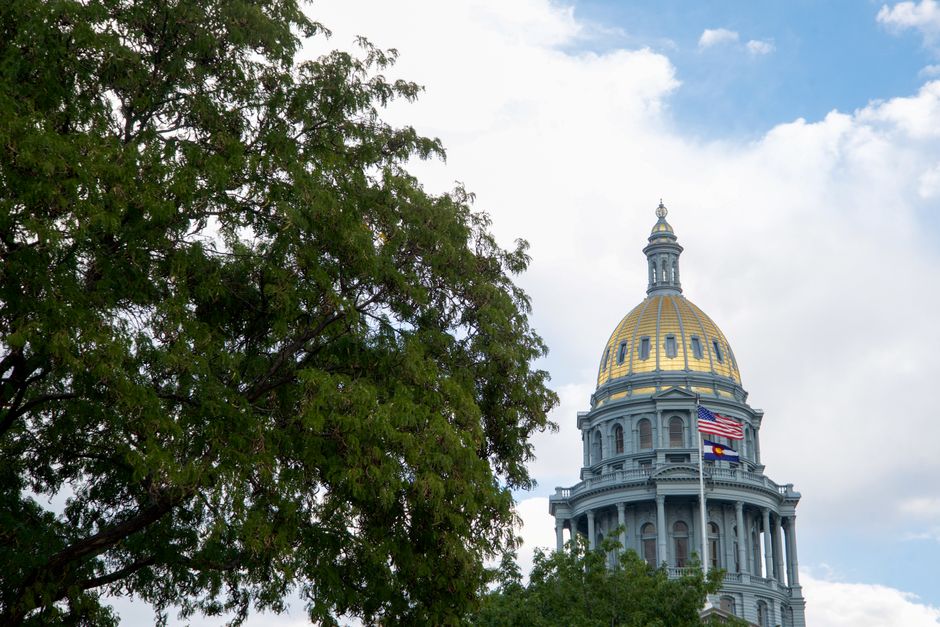
The Capitol building is objectively beautiful. The architecture is solid, the dome is impressive, and yes, the 14,130-foot elevation marker on the western steps is a moderately cool detail. But the tour itself is a slow walk through halls with a guide pointing out period details you could just read on a plaque. It's the kind of activity you do because it's on the list, not because it changes how you think about Denver or Colorado.
The tour takes about an hour, and afterward you're standing on a sidewalk in downtown Denver thinking about what else you could have been doing. The building is open for self-guided exploration during business hours if you really want to see it, but honestly, you see it fine from the outside, and that takes two minutes.
Washington Park (Wash Park) Is Worth One Walk, Not One Day
Washington Park is the other tourist magnet—280 acres, a couple of small lakes, trails, and pretty landscaping. It's genuinely nice. People jog here, families picnic, it's very civilized. But it's also very popular, very crowded on weekends, and relatively tame. There's nothing here you can't experience in a dozen other parks in Denver or any medium-sized city.
If you're staying in that neighborhood, sure, walk it for an hour. But don't make it a destination. There are better ways to spend a half-day.
Go North Instead: City Park, Mount Lookout, and Hidden Denver
City Park, just northwest, is bigger, quieter, and has actual sightlines to the mountains. The Denver Zoo is there if you care about zoos. But the park itself—the older trees, the wide open space, the way you can actually find a bench without thirty people—it's superior to Wash Park in every way that matters. And there's a reason it's less crowded: it's not marketed as aggressively.
If you want a real surprise, head up to Mount Lookout, a short drive into the foothills. It's a genuine high-altitude hike (you'll feel it) with actual views of the Front Range and the plains spreading out below. No entrance fee, no crowds, and when you're up there looking across fifty miles of landscape, you'll remember why you came to Denver in the first place. The parking area is small and it fills up on weekends, but even then it's half the crowd of Red Rocks.
Frequently Asked Questions
Is Red Rocks worth visiting if you're not going to a concert?
Not really. You can't walk the amphitheater grounds without a ticket, and the trading post and parking setup make it feel more like a commercial venue than a natural wonder. If the geology is what draws you, drive past or hike in the nearby foothills instead.
What should I do instead of 16th Street Mall in Denver?
South Broadway between Evans and Bayaud has local character, vintage shops, and actual Denver businesses. Or explore neighborhoods like Highlands, LoHi, or the corners of downtown that aren't pedestrianized. You'll spend the same time but actually see how people live here.
What are the best lesser-known parks in Denver?
City Park is bigger and quieter than Washington Park and has better mountain views. Mount Lookout in the nearby foothills offers actual hiking and panoramic views without the crowds of popular tourist trails. Both give you genuine Colorado landscape instead of manicured park experience.
Which one would you visit?