
I landed at Denver International on a clear March afternoon and made the mistake of asking my Uber driver which neighborhood I should check out first. He laughed—actually laughed—and said I'd have to pick a personality, because Denver's neighborhoods don't really overlap. Walking around the city that first week, I started to get it. This isn't a place where you find one central cool zone and call it done. Each neighborhood has its own thing going, and whether you're here for a weekend, considering a move, or somewhere in between, the neighborhood you pick shapes the entire experience.
I spent the next month living in a different area each week, eating breakfast at local spots, hanging out in parks, and talking to people who'd actually chosen to stay. Some neighborhoods immediately felt like home. Others felt like someone else's home, which is useful information too. Here's what I found.
LoDo: The Default That Actually Works
Lower Downtown gets written off by locals as the tourist neighborhood, which is fair—the 16th Street Mall is there, the breweries are obvious, and yes, plenty of visitors end up in Union Station admiring the historic clock. But dismissing LoDo entirely is a mistake. The cobblestone streets between Blake and Market aren't some theme park. Real people live here, and the older Victorian-era buildings house actual restaurants and shops alongside the chain tourism stuff.
If you're visiting Denver for the first time and don't want to overthink it, LoDo is your unambiguous right choice. You can walk to multiple breweries in an hour, catch a baseball game at Coors Field, and get to basically anywhere else in the city quickly. The downside: it's loud on weekends, parking is a hassle, and you'll pay more for rent than in any other neighborhood on this list. Young professionals who work downtown sometimes make it work long-term, especially if they're in their first Denver year and want to figure out the city before committing to a quieter area.
Capitol Hill: Messy, Loud, and Full of People Figuring It Out
Capitol Hill is where you go if you want to be around other people who moved to Denver without a plan. The neighborhood sits on a hill, literally and figuratively, and it's become the unofficial center for twenty-somethings, artists, musicians, and anyone who thinks a good night out means cheap tacos and a bar where the bartender knows your name by drink two.
The architecture is a mix of old Victorian homes carved into apartments, newer infill, and some genuinely rough blocks right next to perfectly fine ones. Evans Avenue toward the north end is where the energy concentrates—restaurants, vintage shops, dive bars that have actually been there for twenty years rather than looking like they have been. South Broadway has a seedier reputation, but it's also where rents are lower and you find some of the best Ethiopian food in the city.
Capitol Hill suits people who don't need their neighborhood to be polished. It's got real character because it's actually chaotic. Some nights that's energizing. Other nights it's just loud. If you're past the phase where you need to be where other young people are, or if you have kids, you're probably going to feel tired here. But if you're 26 and new to Denver and you want to meet people fast, this is where to land.
Washington Park: The Neighborhood That Looks Like the Tourism Board
Washington Park is the pretty one. The lake, the trees, the mix of old brick bungalows and new townhomes that somehow don't feel aggressive, the restaurants on South Gaylord Street that actually have reservations. If you Google "Denver neighborhoods" and see a photo, it's probably Washington Park.
This is family territory, and I mean that as a genuine description, not a euphemism. The park itself is genuinely worth spending time in—larger than Central Park, with trails, a boating lake, and enough open grass that kids can actually run around. Families who move to Denver do it for jobs or quality of life, and Washington Park is where you end up if you want the quality-of-life part to involve good schools, yards, and neighbors who've been around long enough to know who does the best contractor work. The neighborhood is expensive—probably not as expensive as you'd think, but expensive enough that you're not stumbling into it accidentally.
Retirees also do well here. The walkability is solid, the pace is slower than Capitol Hill or LoDo, and you can spend a Saturday morning at a coffee shop without needing to yell. The restaurants skew upscale-casual rather than adventurous, which works fine if you're not chasing the latest thing. The main drawback: it can feel a bit settled and quiet if you're someone who needs constant stimulation.
RiNo: The Artist Neighborhood That Knows It Is
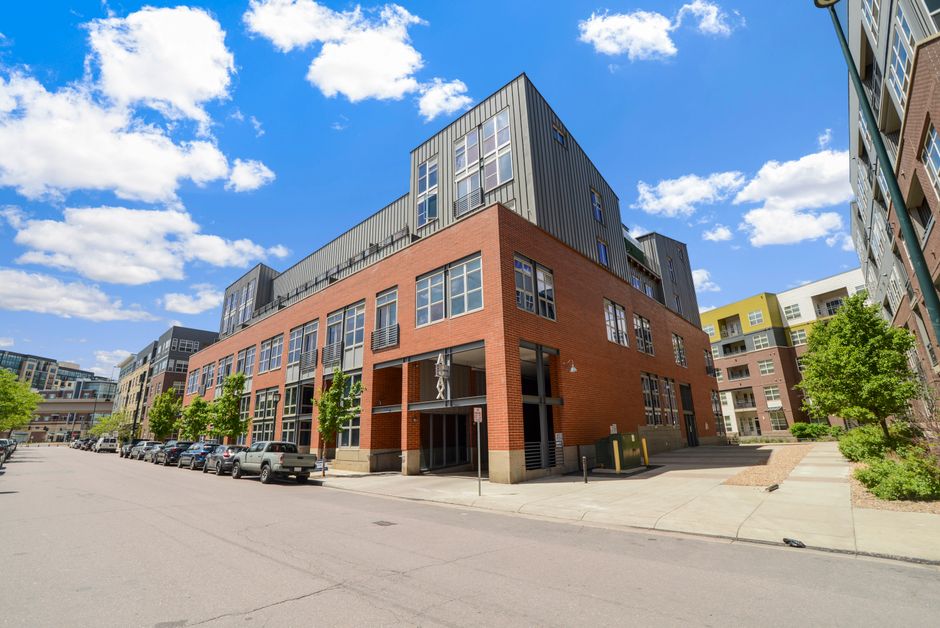
RiNo stands for River North, and it's the neighborhood that took the whole "emerging artist community" thing and ran with it consciously. Big brick warehouses got converted into studios and galleries and restaurants. Murals cover building sides. The vibe is deliberately creative, which means it's no longer the secret cheap place to live—but it's also not pretending to be something it's not.
The neighborhood feels different depending on which block you're on. The central strip around Santa Fe Drive has the galleries and the design shops and the kind of restaurants where the chef clearly has opinions. Venture north or west and you get into more residential blocks with younger families and people who work in tech or design and want to be around that energy without paying Capitol Hill prices. The brewery scene here is strong but less aggressively marketed than LoDo.
Who fits? Young professionals with creative jobs, or people in tech who are fine with being around creative people. People renovating old homes and treating it like an investment. Visitors who want to see actual Denver art rather than just breweries. RiNo doesn't work as well if you're looking for cheap or if you want a neighborhood where people aren't constantly aware of being in an emerging neighborhood. The self-consciousness is part of the appeal and part of the limitation.
Highland: Quiet, Hillside, a Notch Away From Everything
Highland sits northwest of downtown, across the Platte River, and its nickname among locals is the neighborhood people move to when they want to actually be somewhere rather than always heading somewhere else. It's on hills, which means your walks involve elevation, and it's far enough from downtown that casual commutes to anywhere get longer. But if you're working remotely or you have a job that's actually in the neighborhood, that distance stops mattering.
The residential core is genuinely quiet—tree-lined blocks, older homes that families have owned for decades, pockets of younger people buying their first investment property. Federal Boulevard runs through the neighborhood and is legitimately sketchy in spots, but the moment you turn onto any residential street, it's a different vibe. There are some good restaurants and coffee shops concentrated near the northern edge, but nothing like the density of Capitol Hill or LoDo. If you're looking for walkable dining and nightlife, Highland isn't it. If you're looking for a neighborhood where you can actually concentrate and where your neighbors know their neighbors' names, it's a serious option.
Highland suits established professionals, remote workers, families who want space and quiet over walkability, and retirees. It's not really a visitor neighborhood unless you're visiting someone who lives there. The trade-off is obvious: you get peace and genuine community, but you're not stumbling into things. Anything social requires intention.
Cheesman Park: Expensive, Central, and Genuinely Attractive
Cheesman Park occupies the weird middle ground between Washington Park and Capitol Hill—it has the central location of the latter and the peace and attractiveness of the former. The park itself (different from Washington Park, confusingly named, but absolutely worth knowing the difference) is smaller and more intimate, and the neighborhood around it is defined by beautiful older homes, tree coverage, and a strong sense that people actually chose to live here rather than defaulting to it.
The neighborhood is expensive, and unlike Washington Park, it doesn't attract as many families. It's more young professionals who've been in Denver long enough to have real jobs, retirees who want to stay central, and people who want to walk to restaurants without wanting the chaos of Capitol Hill. The restaurant and bar scene is solid but not trendy—it's more established places that people actually use regularly than Instagram-bait new openings.
Visitors sometimes stay here if they want a quieter base with easier access to downtown. The neighborhood doesn't have a strong tourism draw of its own, but for people who want to live somewhere that feels like Denver's version of an older, established neighborhood, Cheesman Park is probably the best option on this list. The main limitation: it's expensive, and if you're someone who needs constant activity and novelty, the relative calm will bore you.
Choosing Your Neighborhood: The Real Filters
After a month of bouncing around, I realized that picking a Denver neighborhood comes down to a few actual questions rather than any ranking system. Are you here for a weekend or looking to stay? If it's a weekend, LoDo or Capitol Hill. If you're staying, do you have kids? Washington Park or Highland. Do you work downtown or elsewhere? Do you want walkability or do you have a car? Do you need constant activity or are you fine going out intentionally?
The honest thing about Denver's neighborhoods is that they don't have hidden-gems-that-no-one-knows-about status anymore. Every neighborhood I mentioned is known. The question isn't discovery—it's fit. LoDo is loud and central. Capitol Hill is chaotic and social. Washington Park is pretty and family-oriented. RiNo is creative and self-aware. Highland is quiet and intentional. Cheesman Park is expensive and calm. Once you know what you actually want in those terms, the neighborhood basically picks itself.
Frequently Asked Questions
which Denver neighborhood is best for families
Washington Park is the strongest choice for families. It has good schools, a large public park with trails and recreational space, safer streets, and more single-family homes. Highland is also solid for families who prioritize quiet and space over walkability.
is Capitol Hill safe in Denver
Capitol Hill is generally safe during the day and in most blocks, but it has higher crime rates than Washington Park or Cheesman Park, particularly around South Broadway and Evans Avenue after dark. Stick to well-lit streets and main pedestrian areas at night, like you would in any active urban neighborhood.
where do young professionals live in Denver
Capitol Hill and RiNo are the most popular neighborhoods for young professionals in their 20s and early 30s. Capitol Hill offers nightlife and walkable bars, while RiNo attracts people in creative and tech fields. LoDo works for people who want to be downtown, though rent is highest there.
can you visit Denver neighborhoods without a car
LoDo, Capitol Hill, and Cheesman Park are walkable enough for a day visit without a car. Washington Park, RiNo, and Highland are easier to explore if you have a car or take rideshare, though the neighborhoods themselves are walkable once you're there.
Which neighborhood catches your eye?



