I landed in Denver on a Thursday afternoon and did what I always do: walked around. The air is thin, the light is bright, and the city feels energetic in that way Colorado mountain towns do—except this is a real city of nearly 700,000 people. Solo travelers will find Denver mostly friendly and navigable. But like any mid-sized American city with pockets of economic strain, it has areas where you need basic street smarts and a few neighborhoods worth avoiding, especially at night.
I spent two weeks moving between downtown, LoDo, the South Platte corridor, and a few neighborhoods people told me to skip. What I found was pretty straightforward: Denver's safety picture isn't random or mysterious. It follows patterns you'll recognize if you've spent time in other American cities. The good news? You don't need to be paranoid. The bad news? You do need to pay attention.
Downtown and LoDo: Mostly Safe, But Know the Time
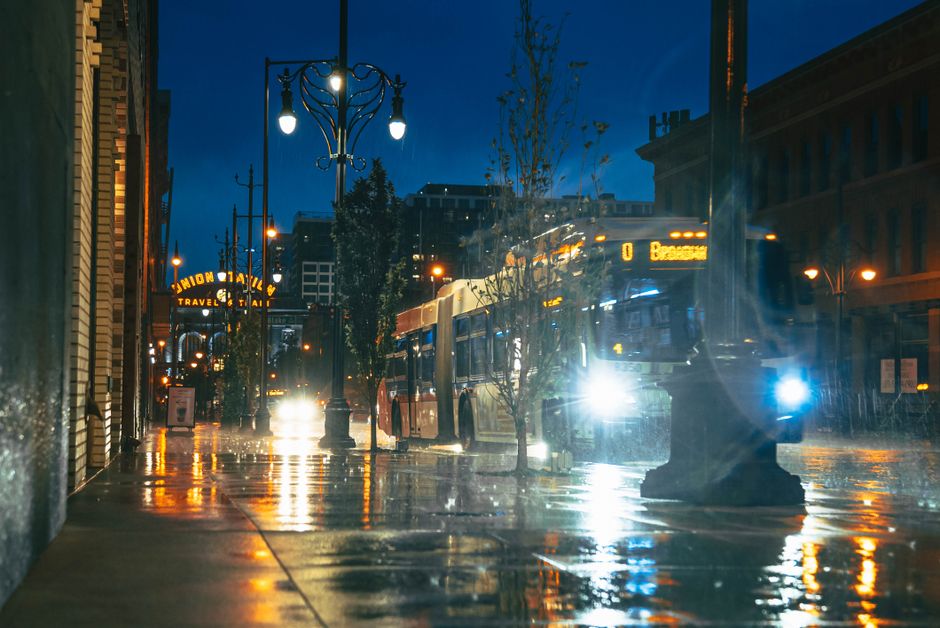
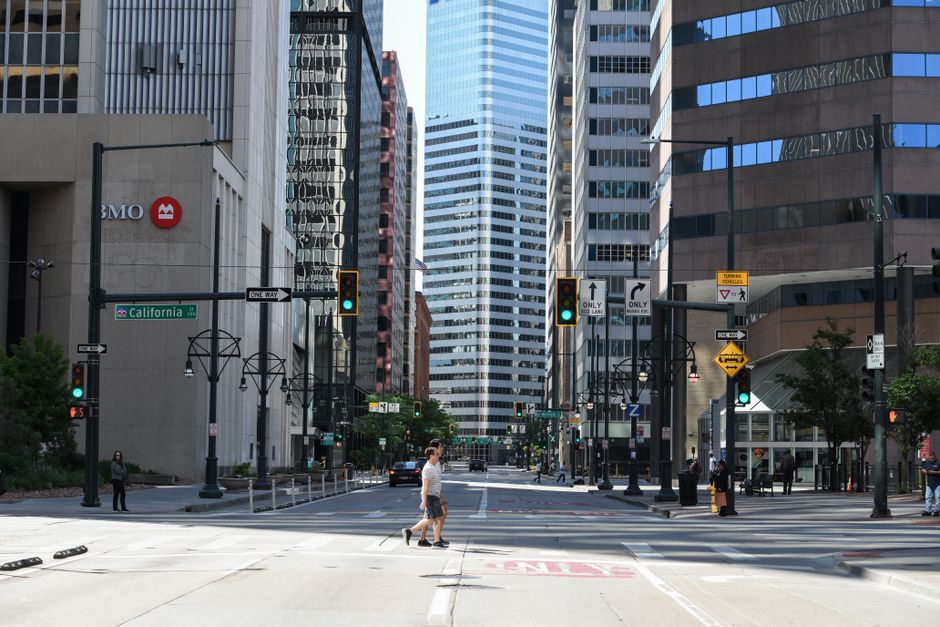
The core downtown area and Lower Downtown (LoDo) around 16th Street Mall, the River North Art District, and Union Station are well-populated and well-lit during business hours and evenings. The streets buzz with foot traffic, bars are busy, and there's a decent police presence, especially near major intersections. I walked these areas at night multiple times without incident and felt comfortable doing so, particularly if you stay on the main drags.
What changes is midnight onward. The foot traffic thins out dramatically. A few blocks that felt lively at 10 p.m. can feel pretty empty by 1 a.m., and that's when you notice the more vulnerable folks—people experiencing homelessness, folks working the streets. Nothing to be afraid of, but if you're heading back to a hotel, use the well-lit main streets and consider rideshare instead of walking if it's late. During the day and early evening, downtown is genuinely one of the better parts of the city to explore.
South Platte and Five Points: Context Matters
The neighborhoods along the South Platte River—particularly Five Points, the historically Black neighborhood just northeast of downtown—have been seeing gentrification and investment for the past decade, but they still carry a reputation for street-level drug activity and property crime. Local residents I spoke with were matter-of-fact about it: there are blocks worth visiting (hip restaurants, galleries, community character) and blocks where you shouldn't linger alone, especially after dark.
Five Points itself is in flux. Breweries, music venues, and new development have drawn more foot traffic, and daytime visits are generally fine. But nighttime wandering solo isn't smart. Stick to the main corridors—like Welton Street—during daylight if you want to check out the neighborhood. And be alert for loitering, open drug use, and petty theft. Property crime in this area runs higher than downtown. Don't leave anything visible in a parked car, and don't walk here alone late at night.
Capitol Hill, Baker, and Washington Park: Divided
Capitol Hill is a mixed bag. The core around 17th Avenue is artsy, crowded, and walkable, with dive bars, vintage shops, and a real neighborhood feel. People are out. Lights are on. It's pleasant during the day and evening.
But Capitol Hill stretches, and as you move east and south, it becomes less monitored and less busy. The edges—particularly around the northeast corner and some blocks south of Alameda—see more reports of car break-ins and the kind of loitering that signals property crime risk. Baker neighborhood, immediately south, has similar issues. Washington Park itself is beautiful and safe during the day, but after dark, don't walk alone through the park or the blocks immediately surrounding it. Stick to well-populated areas or use transit.
The rule of thumb: if a block feels empty and you don't see other people out, trust that feeling and move on or take a rideshare.
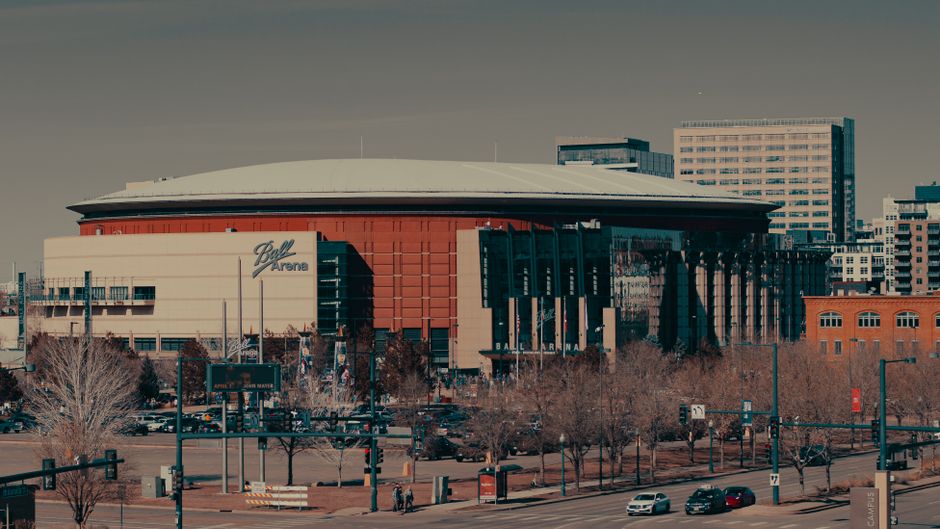
North Denver and the I-25 Corridor: Avoid Late Hours
The neighborhoods along I-25 north of downtown—including areas like Five Points (already mentioned), but extending further north—have higher rates of gun violence and street crime compared to downtown and the better-maintained neighborhoods. These are real patterns documented by Denver Police Department data that gets cited regularly in local reporting.
I didn't spend much time north of I-70 in these areas, and honestly, most solo travelers won't either. There's no major tourist draw up there. But if you're considering it—say, visiting someone or checking out a venue—know that nighttime solo travel isn't advisable. The daytime is better, but still apply caution. Use rideshare, stay aware, keep to populated areas.
General Precautions: The Stuff That Actually Works
Most crime in Denver, like most cities, targets opportunity. Car break-ins are common—don't leave anything visible inside. Hotel staff will confirm this immediately. Use parking garages when you can, or move valuables to the trunk.
Propertyty crime and theft from people is scattered across the city, not confined to one area. Keep your bag zipped, phone secured, and don't display expensive gear. Headphones dangling from your neck, phone in hand while walking distracted, a backpack left unattended at a coffee shop—these invite theft anywhere.
Use transit or rideshare after dark instead of walking, especially alone. RTD buses and the light rail are generally fine, but choose daylight when possible. Uber and Lyft are reliable and not expensive. Seriously, just take the ride. The peace of mind is worth five bucks.
Stay off of your phone while walking through unfamiliar areas. Keep your eyes up. That's not paranoid; that's basic awareness that works everywhere.
The Homeless Population and Open Drug Use
Denver has experienced a serious surge in homelessness and visible drug use, especially methamphetamine, over the past few years. You'll notice this immediately, particularly in downtown, around transit stations, and in Five Points. It's not subtle. People are using openly in parks, on sidewalks, in public bathrooms. There are encampments under bridges and on median strips.
This is a policy and infrastructure problem, not a tourist safety problem, but it affects how the city feels. Most homeless individuals are not a threat—they're coping with addiction and mental illness and economic collapse. But you should be aware that unpredictable behavior does happen. Someone in crisis might yell, might approach you, might be erratic. Don't engage. Just move away calmly, keep walking, don't make it confrontational.
The city has been working on this—navigation centers, outreach programs—but the reality on the street is still rough. It won't ruin your trip, but it will catch you off-guard if you're not expecting it.
Timing, Awareness, Common Sense
Most of Denver is safe during daylight hours. Most neighborhoods are fine in the early evening. The problem areas and the high-risk times—late night, isolated blocks, empty parks—are easily avoidable.
If you stick to downtown, South Platte (daytime), LoDo, the Pearl District, Washington Park (daytime), and you use good judgment about when to use transit instead of walking, you'll have a normal, pleasant Denver experience. Thousands of solo travelers do this every year without incident.
The real work is staying aware instead of zoned out, trusting your instincts about where you do and don't want to be, and not pretending your nighttime walk through an empty neighborhood is a good idea just because you did it in your hometown. Denver isn't dangerous in the way some cities are, but it's a real city with real patterns. Pay attention, and you'll be fine.