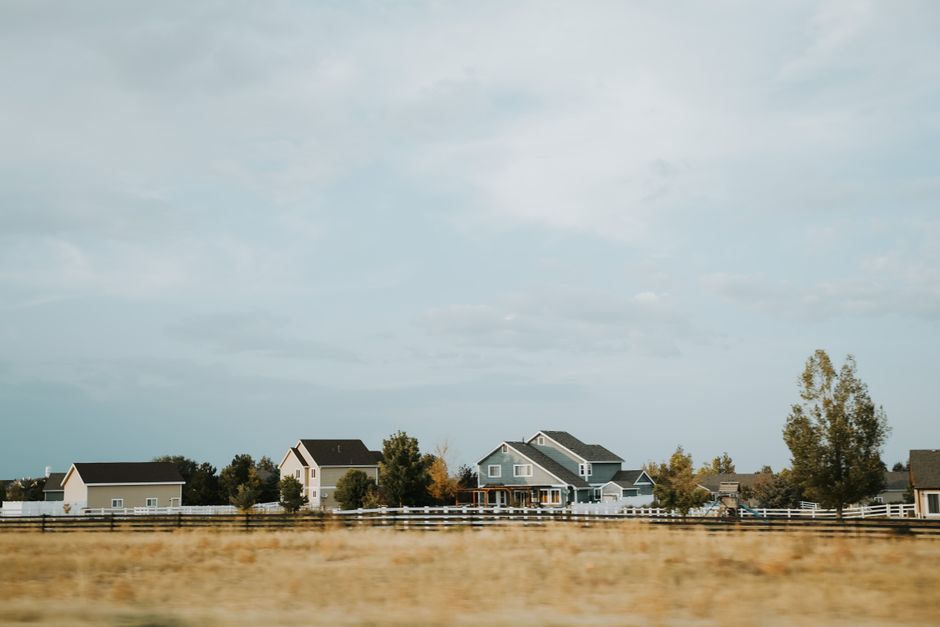
I rolled into Denver on a clear October afternoon with no real plan except to see if the city's retirement pitch held up. The airport sits a mile above sea level, and the thin air hit me immediately—something to keep in mind if you're thinking about spending your golden years here. The first thing that strikes you about Denver isn't the mountains, though they're there. It's how sprawling the place has become, and how much has changed in the last decade.
I spent two weeks talking to people who'd already made the move, wandering neighborhoods, checking out hospitals, and sitting in coffee shops watching retirees on Tuesday mornings. The answer to whether Denver works for retirement isn't simple. It depends entirely on what you value and what you can afford. But there are some real numbers and real stories worth considering before you buy.
Cost of Living Has Gotten Serious
Denver's no longer cheap. Housing prices have climbed steadily over the past five years, and while it's not San Francisco or New York, it's well above the national median. A comfortable retirement rental in decent neighborhoods runs $1,400 to $2,000 monthly; buying will cost you significantly more. Grocery prices track close to the national average, utilities are reasonable (winters aren't brutal), and gas is typically mid-range.
The real question is whether your fixed income stretches. If you're drawing Social Security plus a pension or solid retirement savings, Denver can work. If you're counting on Social Security alone, you'll feel the squeeze. Food, transit, and entertainment are moderate, but property taxes—we'll get to that—can bite. Talk to actual retirees about their monthly spend before you commit. Most I spoke with landed between $3,500 and $5,500 per month for a modest, independent lifestyle. That's not low, but it's not the highest I've heard for a major metro.

Healthcare Access: Strong but Growing Pains
Denver has solid medical infrastructure. UCHealth, Denver Health, and National Jewish Health are major regional players, and specialists aren't hard to find. If you need cardiac care, orthopedic work, or cancer treatment, the city has respected facilities. I visited a couple of clinics and they felt competent and modern, though you'll notice they're packed—growth has strained capacity in places.
The bigger issue is that health insurance costs don't differ dramatically from the national average, and if you're not on Medicare yet, premiums can be steep. Once you hit 65, Medicare works the same way it does everywhere, and Colorado's supplemental insurance options are competitive. Get this straight before you move: know your healthcare needs, understand Medicare enrollment, and talk to local insurance brokers about actual costs for your situation. Don't guess.
Weather and the Altitude Question
Denver sits at 5,280 feet. You've heard that a thousand times, but the effect is real. The air is dry, the sun is intense (sunburn happens fast), and the altitude catches some people harder than others. If you have heart or lung issues, run it past your doctor first. Most people acclimate within a week or two, but not everyone.
Weather-wise, winters are mild by mountain standards—snow is common but it usually melts fast. Summers are short and hot without the humidity of the Midwest or South. The spring is windy and can feel chaotic. You get roughly 300 days of sun per year, which does something good for mood but means you'll need serious sunscreen. I met retirees who'd moved for the climate and stayed for it. I also met a few who moved back because they missed real seasons or the dryness bothered their skin. Neither answer was wrong.

Taxes: State and Local Basics
Colorado has no sales tax on groceries, which saves retirees a little. Overall sales tax statewide sits around 7-8% depending on local options, which is middle-of-the-road. State income tax is 4.4%, a flat rate that applies regardless of income bracket—not the lowest, but not the highest either. Property tax assessments vary by county but average around 0.5-0.6% of home value, which sounds low until you buy a $500,000 house and realize that's real money annually.
Colorado doesn't tax Social Security income, which is a genuine benefit if that's a major part of your retirement income. Pension income and 401k withdrawals are taxable, though there are some retirement-income exemptions available depending on your situation. Don't rely on what I'm telling you here—talk to an accountant in Colorado before you move. Tax law changes, and your specific circumstances matter a lot. Some retirees I met said taxes barely factored into their decision; others said they should have run the numbers harder before moving.
Washington Park and the Central Neighborhoods
Washington Park—locals just say Wash Park—sits south of downtown and has become the unofficial retiree neighborhood. Tree-lined streets, the park itself with walking trails and a lake, lower-density feel than downtown, and enough local restaurants and services that you don't have to drive everywhere. It's expensive; homes are old and appreciated. But the vibe skews older and calmer, and you'll see plenty of gray-haired walkers on any given morning.
The surrounding area—South Gaylord, DU neighborhood—fills with retirees too. Close enough to downtown to grab culture and restaurants, far enough to feel residential. My take: it works if you like urban convenience mixed with a neighborhood feel, and if your budget can handle it. You'll pay for the location, but many retirees said it was worth not being isolated and having walkable streets.

Littleton: Smaller Scale, Same Access
Littleton is about 15 miles south of downtown Denver, a quieter town that's become a retirement pipeline. You get space here—houses sit on larger lots, the pace is genuinely slower, and downtown Denver is a 20-minute drive if you need it. The Main Street strip has local flavor, and the South Platte River winds through town with decent parks.
Cost of living is lower than central Denver, and the community feels more established, less frantic. The trade-off is that you're car-dependent if you're not right on Main Street, and nightlife or high-end dining isn't abundant. But retirees I spoke with loved it. Lower property taxes than Denver proper, quieter schools (if that matters), and enough services and healthcare options. It's a legitimate alternative if you want the Denver metro without actually living in Denver.
Boulder and the Mountain Corridor
Boulder is north of Denver, fancier and pricier. If you've got serious money and want a mountain-town feel with urban amenities, it works. But I'm mentioning it mainly to say: don't. For most retirees, Boulder's cost and intensity don't pencil out. Housing is steep, the town skews younger and very outdoorsy, and you'll feel the income gap.
If you want elevation and smaller-town living without the Boulder price tag, look at places like Morrison or Nederland—small communities on the Front Range west of Denver. You get genuine mountains, better air quality, and lower costs. The downside is remoteness; healthcare and services require a drive. Those towns work for retirees who want exactly that tradeoff, but they're not for everyone.
The Real Conversation
Here's what I took away after two weeks: Denver works for retirement if you have enough money to absorb cost-of-living increases, aren't allergic to altitude and dry climate, and want access to a real city. It's not a cheap-retirement destination, and it's not a small town. It's a major metro that's gotten more expensive and more crowded, but still offers good healthcare, culture, and outdoor recreation within driving distance.
Talk to actual retirees who've lived here three to five years, not just people in their first year. Spend a month here if you can—don't just visit for a long weekend. Test drive winter and summer. Check the hospitals near your target neighborhood. Do the tax math with a local accountant. And be honest about what you actually want in retirement: solitude, community, walkability, outdoor access, or something else. Denver delivers on some of those things and not others. Get clear on what matters to you first.