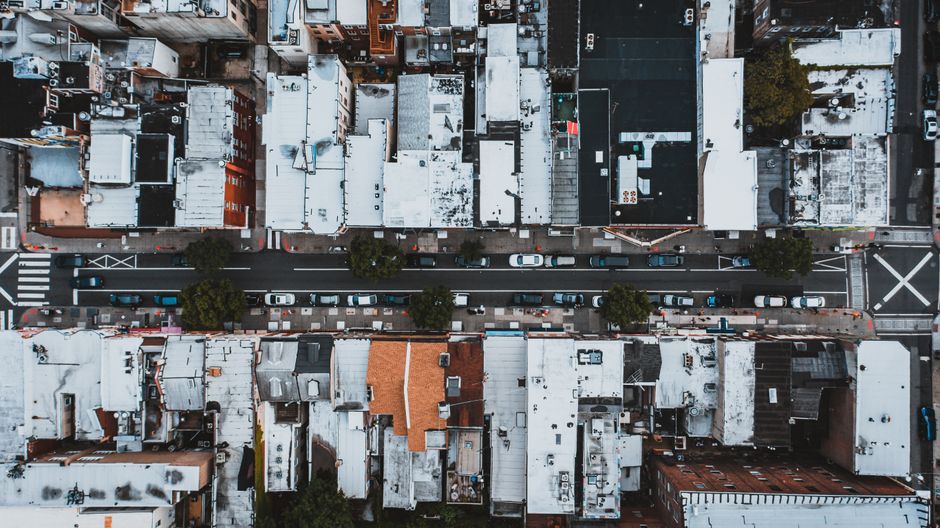
I landed at DEN on a Friday afternoon and did what most visitors do: headed straight to 16th Street Mall, grabbed mediocre coffee, and took the obligatory selfie with some downtown sculpture. By evening, I was bored. Denver's downtown corridor is pleasant enough, but it's also the part of the city that feels most like everywhere else. So I did what I always do—I rented a bike and started wandering.
Three days later, I'd found a Denver that actually felt worth remembering. Not the one plastered across tourism websites, but the one locals seem to keep to themselves. The parks were quieter, the sightlines were better, and the whole vibe felt less like a growing metro area desperately trying to prove itself and more like a city that's genuinely confident in what it is.
Cheesman Park: Where Denver Actually Sits Down
Most people know about City Park and the zoo. Cheesman Park is where you go when you're tired of crowds and want to understand why Denverites are so obsessed with their outdoor space.
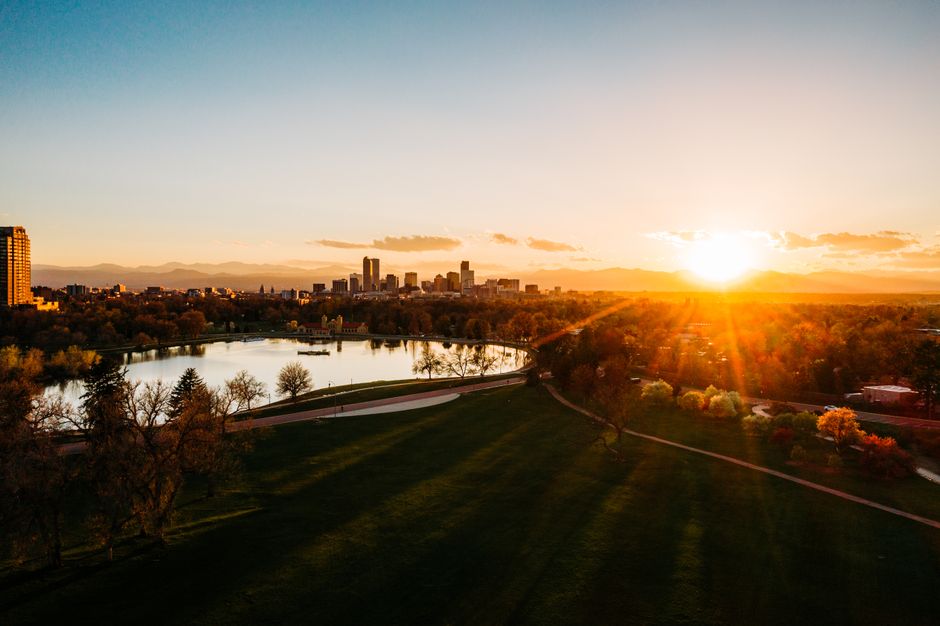
The park sits northwest of downtown, about fifteen minutes by car or a solid bike ride, and it's enormous—eighty acres of open lawn, mature trees, and paths that wind around like someone actually planned for people to linger. On a clear day, the view of the Front Range from the main lawn is proper Colorado—the kind of postcard-ready panorama that actually justifies the region's outdoors reputation.
I spent a couple hours there midweek and saw maybe a dozen other people. There's a Greek amphitheater that hosts concerts in summer, but most of the park is just quiet open space. The light in late afternoon is genuinely excellent for photography, if you're into that. The neighborhood around it (Cheesman Park / North Capitol Hill) has character too—genuinely local coffee shops, used bookstores, the kind of blocks where you don't see chains.

The Highlands: Where Denver's Creative Class Actually Lives
The Highlands neighborhood sits just northwest of downtown, across the South Platte, and it's the part of Denver that feels like it hasn't been fully gentrified into algorithmic blandness yet. Highland Street and the surrounding blocks have a mix of dive bars, independent galleries, antique shops, and restaurants that exist because the owners live there, not because some consultant told them it was a good investment.
I stopped into Horseshoe Market, a neighborhood institution that's part vintage shop, part curiosity cabinet, and honestly just a good place to spend an hour poking around actual Denver ephemera. There's a row of galleries on Santa Fe Avenue if you want something more formal. More important: it's the area where you'll actually see unscripted Denver life happening. Families on porches. Dogs at every other outdoor table. The kind of casual density that makes a neighborhood feel like somewhere people actually want to be.
The view back toward downtown from the bluffs is also worth knowing about, especially if you're trying to photograph the city without fighting crowds. Highlands Park itself is small but well-positioned for it.
The Denver Museum of Nature and Science—But Not at Peak Hours
I know, I know. The Denver Museum of Nature and Science isn't exactly undiscovered. But the difference between visiting it at 2 p.m. on a Tuesday versus a Saturday afternoon is honestly the difference between two completely different experiences.
The museum itself is legitimately good—solid paleontology collection, an OMNIMAX theater, and enough space that you don't feel like you're being herded through exhibits. But the real move is going on a weekday morning or early afternoon when schools aren't there and families haven't arrived yet. You can actually look at things. The paleontology wing in particular rewards slow looking, especially if you're the type who reads the plaques.
Admission runs about $30, which feels reasonable for the amount of space. The location—on the edge of City Park—is also convenient to some of the quieter parts of that larger park system, so you can turn it into a half-day neighborhood exploration.
Bear Mountain Trail and the View Nobody Posts
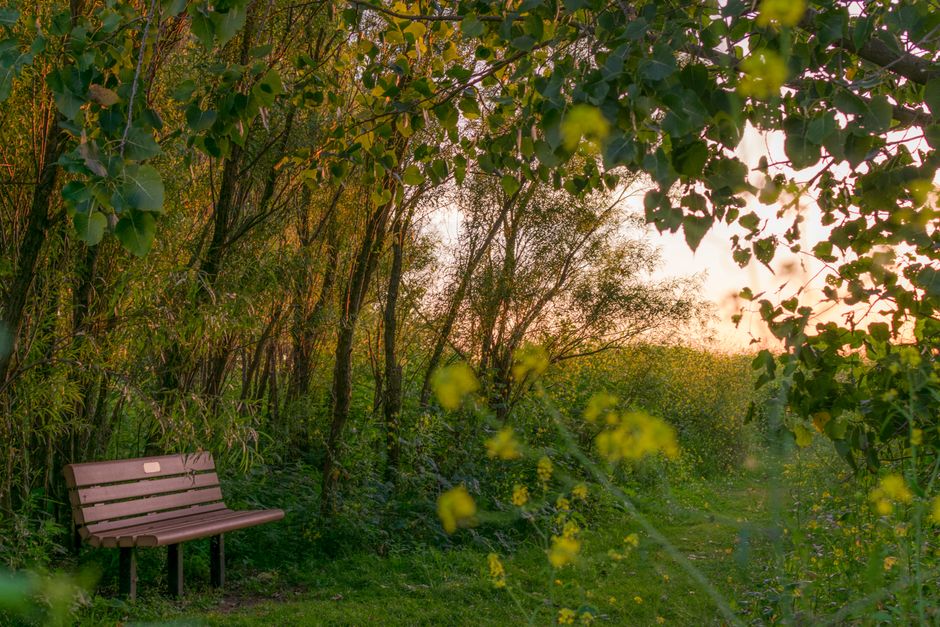
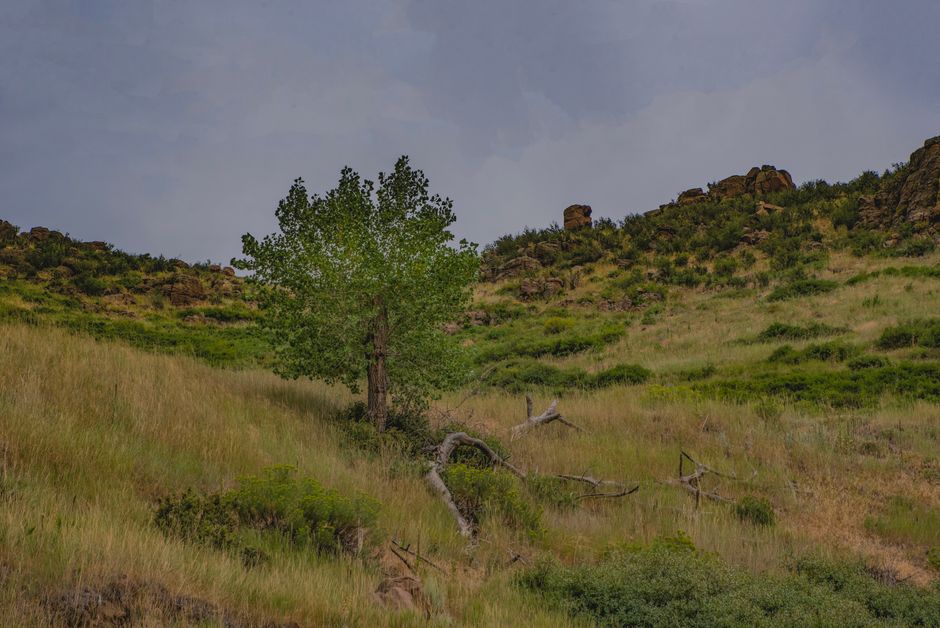
Denver's immediate hiking is uneven. Some of the popular trails in nearby foothills can get crowded fast, and the truly alpine stuff requires a drive. Bear Mountain Trail is that thing in between—close enough that you can do it as a half-day trip, interesting enough that it doesn't feel like a scenic treadmill.
The trailhead is on the west side of the city, maybe twenty minutes from downtown depending on traffic. It's not long (the full loop is around four miles) and it's not steep, but the payoff is legitimately good views of the Continental Divide and Pike's Peak on clear days. More important: I did this on a Saturday morning and saw maybe five other people. The trail doesn't photograph as dramatically as the Instagram-famous stuff, which probably explains why it stays quiet.
Start early if you go. Weather at elevation changes fast, and the parking area is finite. It's one of those Denver-area things that works perfectly fine if you're not trying to batch it with a dozen other activities in a weekend.
South Pearl Street: Denver's Actual Neighborhood Main Street
South Pearl Street is the strip that gets overlooked while tourists debate whether to spend money on the 16th Street area or head out to Cherry Creek. It's not as polished as either, which is actually exactly why it's worth your time.
It runs through the Capitol Hill neighborhood south of downtown, and it has the kind of density and mixed-use character that urban planners write papers about. Actual groceries next to galleries next to used record shops. Restaurants that seem like they exist because the chef wanted to open a restaurant, not because a focus group said it was viable. A bookstore. A vintage clothing place that doesn't charge London prices. The whole thing has the energy of a neighborhood that's aging without completely erasing what made it interesting in the first place.
I grabbed lunch at one of the small cafes, walked around, browsed some shops, and talked to a bartender who'd actually lived in Denver for more than three years. That last part shouldn't be noteworthy, but in a city growing this fast, locals who've been somewhere awhile are themselves becoming a kind of hidden resource. This is where you find them.
Washington Park: Where Denver's Leisure Class Actually Recreates
Washington Park is bigger and more well-known than Cheesman, but it's still treated as something of an afterthought by visitors who focus on downtown. It's about ten minutes south of the urban core, and it's enormous—155 acres of lake, meadows, mature landscaping.
The park has a working history that makes it interesting beyond just being pretty. It was built in the 1880s and still has that intentional Victorian park character—designed vistas, strategic tree placement, the whole layout oriented to walking rather than rushing through. The lake is actually swimmable in summer (beaches, designated swim hours). Rowing clubs. A boathouse. The kind of park that doesn't need a view of mountains to justify itself because the internal design is actually sophisticated.
I spent an afternoon here and it felt genuinely separated from the city, even though it's barely five miles from downtown. Early morning or weekday midday is when it's best. The neighborhood around it is solid too—good breakfast spots, a vintage theater, the kind of blocks where people are living actual lives rather than posing for content.
Some Practical Things I Figured Out
Denver is easy to navigate if you have a car, but it's also genuinely bikeable if you want to actually see the city at a human pace. Rent a bike. It changes what you see.
Weather is legitimately variable, even in summer. Check forecasts not because Denver gets bad weather that often, but because it changes fast and you'll regret showing up to a park without a jacket when it's unexpectedly 55 degrees.
The city's brewery culture is real but also fully saturated with tourism, so I'm not going to pretend I found some secret beer place. Just know that the neighborhood bars—the places on South Pearl or Highland Street—are usually better experiences than the destination breweries if you actually want to talk to someone.
Parking downtown during the day is straightforward but not free. Once you're in neighborhoods, it's street parking and genuinely easy. The whole layout rewards wandering by foot or bike more than driving through trying to see everything.