I rolled into Denver on a Saturday morning in late September, already restless. The city's fine—craft beer, decent tacos, the usual—but after three days I felt the pull. Everyone talks about Colorado's mountains, and they're right to. The thing is, you don't need a complicated road-trip plan or a week of vacation time. Most of the state's best day trips sit within shouting distance: an hour or two of driving gets you to places that feel a thousand miles from the metro area.
I spent the next few weeks testing the usual suspects and a couple of less obvious ones. The goal was simple—places worth the gas money that don't require overnight gear, but reward you for leaving early and staying late enough to watch the light change.
Rocky Mountain National Park (Via Grand Lake or Estes Park)
Estes Park is the main gateway, and yeah, it's touristy. The drive from Denver takes about ninety minutes straight west on I-25 and US-36. What you get for it: a park that sprawls across 265,000 acres of actual wilderness, not just a pretty mountain road. Trail Ridge Road is the famous throughway—closed in winter, but from late May through October it's the route that matters. Thirty miles of alpine driving with overlooks that humble you quick.
I went in early October when the aspens had turned that particular gold that makes every photo look fake. Most people focus on the west side (Grand Lake) because it's less crowded, but that's an extra forty minutes on the drive. Worth it if you want breathing room. For a real day trip, pick one solid hike—Emerald Lake is popular and busy but justified, Bear Lake is shorter, Sky Pond is harder and more rewarding if you've got the legs. Get there by 7 a.m. or plan on parking frustration.
Best season: Late September through early October. July and August are warm and full, May and June less predictable weather-wise. Winter access is limited to the east side only.

Red Rocks Park (Morrison) and Sound Board Venues
Morrison sits about fifteen minutes southwest of downtown Denver, depending on traffic. Red Rocks Park itself is an easy walk around the geology—sandstone fins that jut from the earth like someone hammered them in place. It's worth an hour just to see it from ground level, no concert required. The Trading Post Museum nearby is small but genuine, focused on Native American artifacts and local history rather than gift-shop theater.
But here's the thing: if there's a concert or event scheduled during your visit, the park transforms. Sound quality at Red Rocks Park & Amphitheatre is legitimately world-class, and the venue itself adds something no arena can touch. Check the calendar before you plan the trip. Even if you're not into the headliner, sometimes the setting alone is worth it. If there's no show, hike the Trading Post Trail or Amphitheatre Trail and call it an afternoon.
Best season: May through October for weather. Concert season runs year-round but is heaviest spring through fall. Parking and crowds spike on show nights, so plan accordingly.
Boulder and Flagstaff Mountain
Forty minutes northwest on US-36 and you're in Boulder—a different animal entirely. The town itself is polished and expensive, full of yoga studios and restaurants with seventeen-dollar salads, but the Flagstaff area above it is the real reason to go. The drive up Flagstaff Road winds through ponderosa pine with Denver sprawling behind you, shrinking. At the top, there's a small parking area and trails fanning out in different directions.
I hiked the Flagstaff summit loop on a weekday morning in late August and saw maybe five other people. Ninety minutes round trip, moderate grade, views of the Front Range that actually make sense of why people moved here. There's also the Chautauqua Park area just below, which has easier trails and a pavilion if you're bringing kids or feeling less ambitious. Grab coffee at Huckleberry in downtown Boulder before you head up; it's been solid for years.
Best season: Year-round, but September and October hit that sweet spot where it's not too hot and the light is what everyone promises Colorado light is. Winter is doable but icy in spots.

Georgetown Loop and Guanella Pass
This is a longer drive—about an hour to reach Georgetown proper, heading west on I-70—but it justifies itself if you're willing to make an afternoon of it. Georgetown is a legit mountain town with actual history. Silver mining boomed here in the 1870s, and the architecture didn't get bulldozed and replaced with chain stores. The Georgetown Loop Historic Mining & Railroad Park is tourist-facing but real; the narrow-gauge train ride runs seasonally and is borderline silly-fun if you're not above that sort of thing.
The better move is to park downtown, walk Main Street, hit a brewery (Guanella Pass Brewing is local and solid), and then drive Guanella Pass Road itself—a narrow, unpaved mountain pass that's been reconstructed but still demands respect. The drive takes about an hour and ends in South Park, a completely different landscape. You can loop back to Denver through Bailey and I-25, or reverse the whole thing. The fall colors along the creek are exceptional in late September.
Don't try Guanella Pass in winter unless you really know what you're doing with winter driving. Summer and early fall are the safe bets. July and August can bring afternoon thunderstorms, so an early start matters.
Great Sand Dunes National Park
This one's the longest drive—about three hours southwest toward Alamosa—but it's the outlier that stays with you. The dunes themselves are genuinely surreal, a landscape that feels transplanted from somewhere else entirely. The park is less crowded than the Rockies, partly because the drive keeps casual tourists at bay.
Most people just walk out into the dunes and climb. There's no real trail; you just go uphill on sand that shifts under your feet. It's harder than it looks, which is part of the charm. The creek at the base (Medano Creek) is cold and runs year-round, and there's a ranger-led program if you want context on how this happened geologically. Bring water, sunscreen, and realistic expectations about exertion—sand isn't like dirt.
Full disclosure: a three-hour drive makes this a tight all-day thing, especially if you want time to actually walk around. Better in summer (June through August) when daylight extends and temps are warm but not punishing. Spring (May) can work but creeks are higher from snowmelt. Fall is pleasant temperature-wise but daylight shortens faster, cutting into your actual time on the dunes.
Clear Creek Canyon and Idaho Springs
Forty-five minutes west on I-70 puts you in Idaho Springs, where Clear Creek runs fast and narrow through a gorgeous canyon. It's not a single destination so much as a whole area worth poking around. The hot springs themselves at the various bath houses are fine if that's your thing, but the real appeal is the driving and hiking.
Clear Creek trail runs along the water for miles; Pick a section that matches your energy level and walk it. You'll see old mining infrastructure, current kayakers, and water that's truly clear. Stop at the Indian Hot Springs Museum if you want historical context, but don't treat it like it's essential. The Georgetown Loop and Idaho Springs area share highway space, so you can combine them if the drive time works for you.
Best season: Spring through fall. Summer is warmest but gets busy on weekends. Spring brings higher water; fall brings reliable weather and fewer people.
What Actually Works for a Day Trip
After running these routes a few times, patterns emerged. Leave Denver before 7 a.m. if you're doing a popular trail—parking fills up early, especially on weekends. Bring enough water for longer than you think you'll stay. The elevation hits different if you're from sea level or even moderate altitude; hiking at 9,000-plus feet demands more air than your body might budget for. Cell service is spotty, so download maps offline if you're hiking.
Weather changes fast in the mountains. I've been rained out in July at noon, sunny again by 1 p.m. Bring layers. The light is genuinely better in spring and fall—September and October are legitimately the best months to visit, though every season has something. Summer is warmest but most crowded. Winter roads are possible but require actual winter driving skills, not just all-wheel drive and optimism.
Final Notes on the Actual Drive
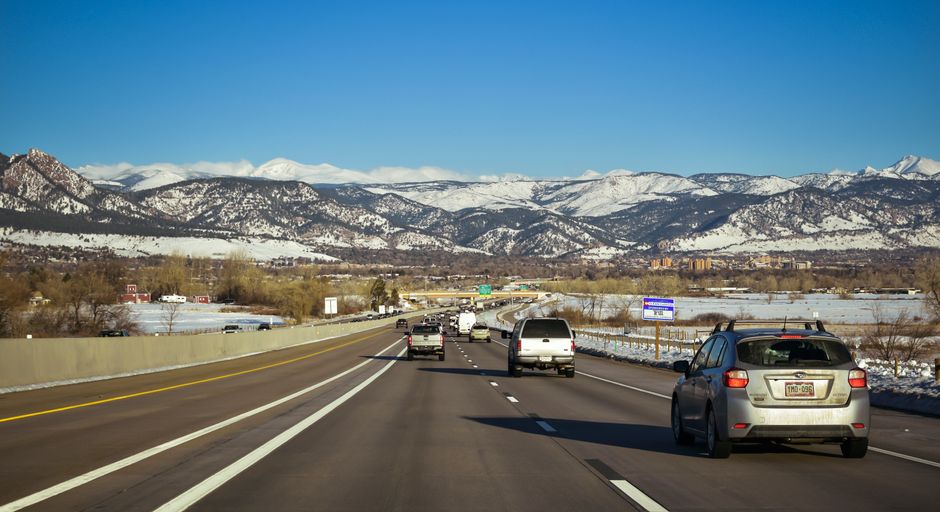
I-25 northwest toward Estes Park, I-70 west toward the mountains—these are the main arteries. Traffic on I-70 westbound on Friday afternoons and Saturday mornings is genuinely bad. Leave midweek if you can. Gas prices are normal; no surprise markup for mountain towns. Bring a full tank if you're doing Guanella Pass or the sand dunes run.
The thing that surprised me most was how different these places feel from each other. You're not just driving to "the mountains"—you're accessing different ecosystems, different towns, different climbing routes and water. A week in Denver gives you access to what most people need years to fully explore. The day trips aren't consolation prizes for not having more time. They're legitimately the better deal.