Gray German Shepherds are a genuinely rare color variation of one of the world’s most popular dog breeds. They carry the same intelligence, loyalty, and work ethic as their more commonly colored counterparts — just wrapped in a distinctive, cool-toned coat. If you’re curious whether a gray German Shepherd is the right dog for you, this guide covers everything from genetics and temperament to health and daily care.
Table of Contents
- What Makes Gray German Shepherds Different?
- The Genetics Behind the Gray Coat
- Temperament and Personality
- Health Considerations for Gray German Shepherds
- Grooming Your Gray German Shepherd
- Training Tips for Gray German Shepherds
- Finding a Gray German Shepherd — Breeder or Rescue?
- Conclusion
- Frequently Asked Questions
- Gray German Shepherds get their coat color from a recessive gene that dilutes black pigmentation.
- Their temperament is identical to other German Shepherds — loyal, intelligent, and highly trainable.
- The gray coat is recognized by some breed registries but is considered non-standard in conformation show rings.
- Health needs are largely the same as any German Shepherd, with a few color-linked considerations worth knowing.
- Finding a reputable breeder who health-tests parents is especially important for this rarer color variation.
What Makes Gray German Shepherds Different?
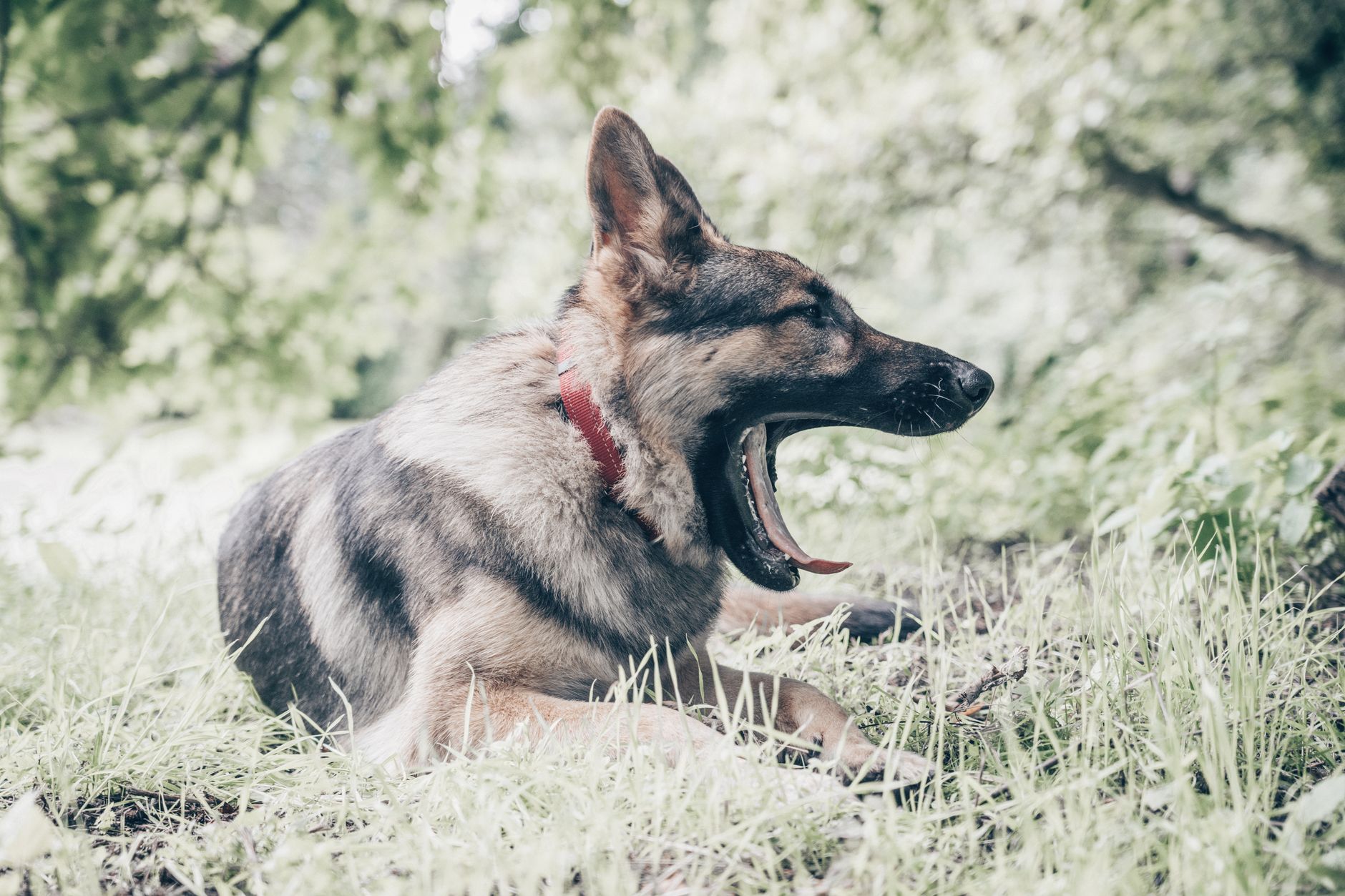
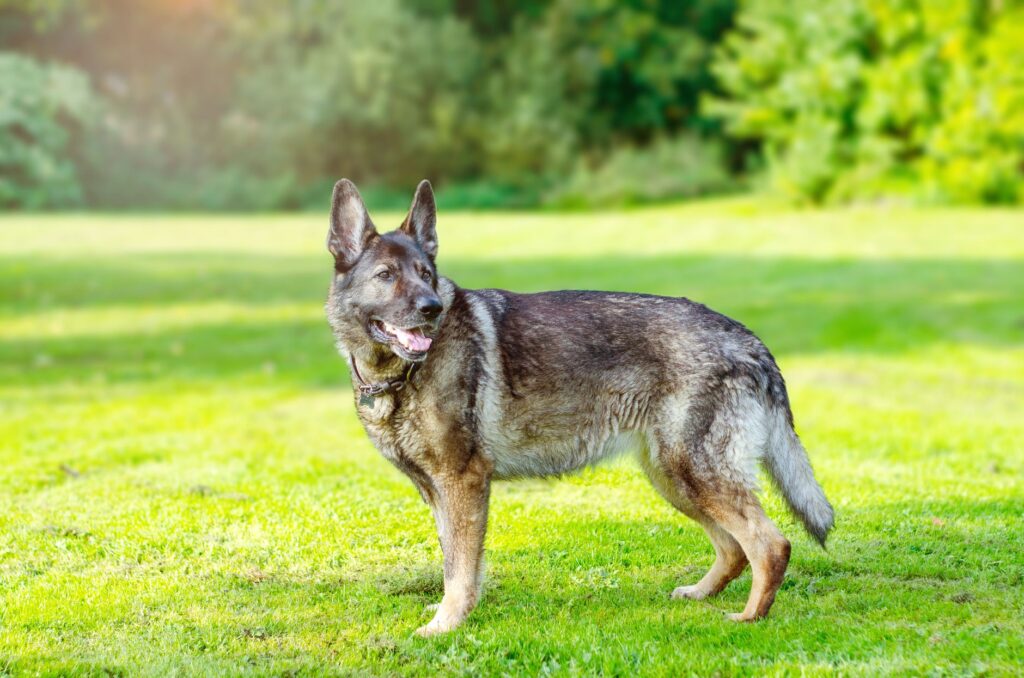
The defining feature of gray German Shepherds is, of course, their coat. The gray coloring ranges from a pale silver-blue to a deep charcoal, and many dogs show sable-like patterning with darker guard hairs over a lighter undercoat. Some individuals appear almost blue-gray, while others lean toward a warm steel tone.
This color is produced by a dilution gene acting on the eumelanin (black pigment) in the coat. When a dog inherits two copies of the dilution allele, the black pigment is lightened to gray or blue. Beyond their coat, gray German Shepherds are indistinguishable from the breed standard in build, drive, and personality.
The Genetics Behind the Gray Coat
German Shepherd coat color is controlled by several interacting gene loci. The gray coloration is primarily linked to the d locus (dilution locus), where the recessive d allele dilutes black pigment. A dog must inherit two copies — one from each parent — to express the gray or blue coat visually.
Because both parents must carry the recessive gene, gray German Shepherds are uncommon even when breeders specifically plan for them. Responsible breeders use genetic testing to understand what color genes their breeding dogs carry, reducing guesswork and helping maintain overall breed health.
Temperament and Personality
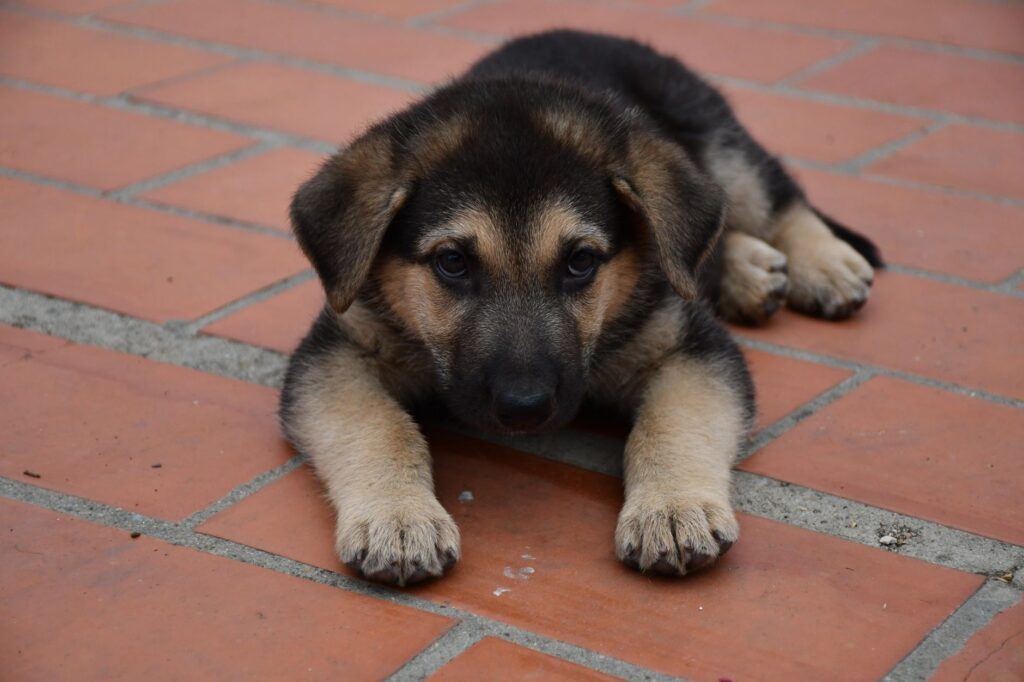
Gray German Shepherds have the same temperament profile as any well-bred German Shepherd. They are highly intelligent, deeply loyal to their families, and naturally alert — qualities that have made the breed a staple in police, military, search-and-rescue, and service dog roles for over a century.
Early socialization is essential. Puppies introduced to a wide variety of people, animals, sounds, and environments from a young age grow into confident, well-adjusted adults. Without adequate mental stimulation and social exposure, any German Shepherd — gray or otherwise — can develop anxiety or reactive behaviors.
Are They Good Family Dogs?
Yes, when properly trained and socialized, gray German Shepherds make excellent family companions. They tend to be protective of children they are raised with and are generally tolerant when interactions are respectful. Always supervise young children with any large breed dog, and teach kids appropriate behavior around animals.
Energy Levels and Exercise Needs
German Shepherds are a high-energy working breed. Plan for at least 60–90 minutes of vigorous activity daily — running, hiking, fetch, or structured play. Mental stimulation through obedience training, puzzle toys, or dog sports like agility and Schutzhund is just as important as physical exercise.
Health Considerations for Gray German Shepherds
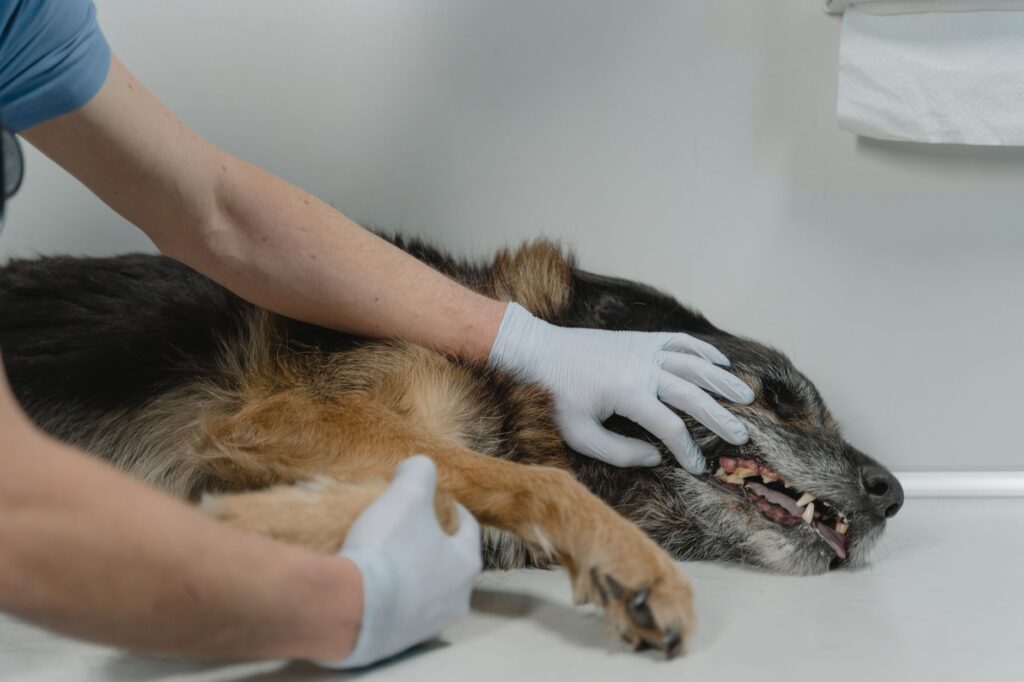
Gray German Shepherds share the general health profile of the breed, which includes a genetic predisposition to hip and elbow dysplasia, degenerative myelopathy, and bloat (gastric dilatation-volvulus). Responsible breeders screen breeding stock for these conditions before producing a litter.
One additional consideration specific to dilute-coated dogs is Color Dilution Alopecia (CDA) — a skin condition that can affect dogs carrying the dilution gene. Not all gray German Shepherds develop CDA, but it’s worth being aware of. Symptoms include dry, flaky skin, thinning coat, and recurring skin infections. A veterinarian familiar with the condition can help manage it effectively if it does appear.
Grooming Your Gray German Shepherd
The German Shepherd’s double coat requires consistent grooming regardless of color. Gray German Shepherds shed year-round, with heavier shedding — sometimes called “blowing coat” — occurring in spring and fall. Brushing three to four times per week (daily during heavy shedding seasons) keeps the coat healthy and minimizes loose hair around your home.
Bathing every four to six weeks is generally sufficient unless your dog gets particularly muddy or develops a skin issue. Use a shampoo formulated for dogs with sensitive skin if your gray German Shepherd shows any signs of CDA. Regular nail trims, ear checks, and dental care round out a solid grooming routine.
Training Tips for Gray German Shepherds
German Shepherds are among the most trainable dog breeds in the world, and gray German Shepherds are no exception. Their eagerness to work and please their handlers makes them highly responsive to positive reinforcement techniques. Start basic obedience training from the day your puppy comes home.
- Use positive reinforcement: Reward desired behaviors with treats, praise, or play immediately after they occur.
- Keep sessions short and consistent: Five to ten minute sessions several times a day are more effective than one long session.
- Prioritize “come,” “stay,” and leash manners early — these commands directly affect your dog’s safety.
- Enroll in a puppy class: Structured classes provide socialization opportunities alongside skill-building.
- Challenge their mind: Advanced obedience, trick training, or a dog sport keeps a German Shepherd mentally satisfied and out of trouble.
Finding a Gray German Shepherd — Breeder or Rescue?
If you’re set on a gray German Shepherd puppy, finding a reputable breeder is the most reliable path. Look for breeders who health-test both parents, welcome visits to their facility, provide references from previous buyers, and prioritize temperament alongside coat color. Be cautious of breeders who charge dramatically inflated prices solely because of coat color — a gray coat does not make a dog more valuable than good health and sound genetics.
Rescue is another option worth exploring. German Shepherd-specific rescue organizations occasionally take in dogs of unusual colors. Adult rescue dogs often come with some training already in place and give you a clearer picture of an individual dog’s personality before adoption.
Frequently Asked Questions
Are gray German Shepherds recognized by the AKC?
The American Kennel Club acknowledges gray as a possible German Shepherd color, but it is not included in the breed's preferred show standard. Gray German Shepherds can be registered but are generally penalized in conformation competitions. They are fully recognized for performance events and companion registration.
Do gray German Shepherds have health problems related to their coat color?
Gray German Shepherds can be prone to Color Dilution Alopecia (CDA), a skin condition linked to the dilution gene that causes coat thinning and recurring skin issues. Not every gray German Shepherd develops CDA, and many live their entire lives without any skin problems. Regular veterinary checkups help catch and manage the condition early if it does appear.
How rare are gray German Shepherds?
Gray German Shepherds are considered one of the rarer color variations within the breed because both parents must carry and pass on the recessive dilution gene for a puppy to express the gray coat. They are not impossibly rare, but they are significantly less common than the classic black-and-tan or sable colorings.
What is the difference between a blue German Shepherd and a gray German Shepherd?
The terms "blue" and "gray" are often used interchangeably when describing German Shepherds with diluted black pigment, and they refer to the same genetic mechanism. Some breeders and enthusiasts use "blue" for dogs with a cooler, more silver-blue tone and "gray" for those with a warmer or deeper charcoal coat, but there is no strict, universally agreed-upon distinction between the two terms.
How much does a gray German Shepherd puppy cost?
Prices for gray German Shepherd puppies vary widely depending on breeder reputation, location, and the health testing performed on parent dogs. Because of their relative rarity, some breeders charge a premium for the gray coat color, though a higher price does not automatically indicate better breeding practices. Always prioritize health clearances and temperament over coat color when evaluating a breeder's pricing.
Conclusion
Gray German Shepherds are a visually striking and genuinely rare variation of a beloved breed. Aside from their distinctive coat color and a small risk of Color Dilution Alopecia, they are the same intelligent, loyal, and hardworking dogs that have made German Shepherds one of the most admired breeds in the world. Whether you’re drawn to their unique appearance or simply love the breed’s temperament, understanding their genetics, health needs, and training requirements will set you and your gray German Shepherd up for a rewarding life together. If you enjoy learning about dogs and the communities they live in, explore more content on what life looks like across different American cities for pet owners and families alike.