I rolled into Fresno on a Thursday afternoon expecting the usual Central Valley vibe—agricultural sprawl, strip malls, the kind of place where you're definitely driving everywhere. What I found was a city that's more complicated than its reputation suggests. Yes, Fresno has real crime challenges. But it's also got working neighborhoods, genuinely good food, and people who are quick to help if you ask. The trick is showing up with your eyes open and making smart choices about timing and route.
I've spent enough time in larger cities to know that crime statistics and actual street-level safety aren't always the same conversation. Fresno's numbers are legitimately concerning—property crime rates run higher than national averages, and violent crime does occur. But most of that doesn't affect the places a visitor is actually going to be. This guide is what I learned by walking around, talking to locals, and checking in with people who work in downtown and the surrounding areas.
The Real Safety Picture in Fresno
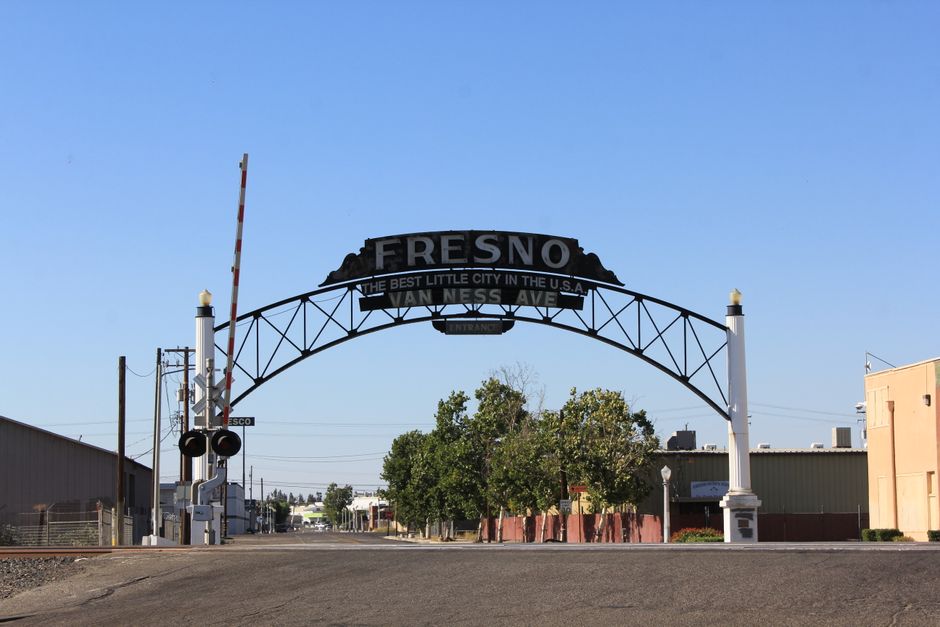
Let's start with the baseline: Fresno Police Department data and local resident feedback consistently highlight pockets of higher property crime and occasional violence in specific neighborhoods on the city's south and west sides. The areas most frequently flagged by locals and law enforcement include parts of south Fresno, notably neighborhoods south of Highway 99 and west of Van Ness Avenue. That said, "south Fresno" covers a lot of ground. Some blocks are fine; others see regular issues with theft, vandalism, and gang-related activity. The honest answer is that risk isn't evenly distributed.
Daylight changes everything. Downtown Fresno and midtown neighborhoods are reasonably busy during business hours and early evening. I walked around the Tower District and the downtown area on a Thursday afternoon without incident, and plenty of other solo travelers and locals do the same regularly. The issue tends to surface after dark or in areas that feel emptier. Parking lots and isolated stretches of road after sunset draw more caution from locals than midday strolls.
Downtown and the Tower District: Where to Spend Your Time
Downtown Fresno is undergoing legitimate revitalization. The Tower Theatre area, roughly bounded by Olive and Kern avenues and Van Ness to the east, has restaurants, galleries, and bars that draw a mix of locals and visitors. It's walkable in daylight and early evening, with decent foot traffic and some police presence. I grabbed coffee and lunch here without feeling like I was out of place.
The Tower District itself—a neighborhood centered around the landmark theater—is where you'll find most of the appealing independent shops and restaurants. Streets here are tree-lined, the crowd is younger and more artsy, and it feels noticeably safer than some surrounding areas, especially in daylight. After dark, I'd stick to well-lit main streets and wouldn't wander solo into side streets I wasn't familiar with. Same precautions you'd take in most mid-sized cities after sunset.
Fresno's Old Town area near the train depot has seen some investment, but it's still patchy. There are good reasons to go there—historical interest, occasional events—but during your visit, I'd time it for daytime and avoid lingering after dark.
Neighborhoods to Navigate Carefully or Avoid at Night
South of Highway 99, especially the area south of Jensen Avenue and west of Van Ness, experiences higher rates of property crime and occasional violent crime. This is where most local residents tell visitors to exercise real caution. If you have a specific reason to go there—a restaurant recommendation, a friend's place—daylight is significantly safer than evening or night. Use main arterial roads rather than cutting through residential blocks, and honestly, if you're unfamiliar with the exact location, just take a ride-share instead of walking.
West Fresno, particularly neighborhoods west of Highway 99 and Highway 41, also shows up in local safety conversations. Again, higher property crime, some gang activity. The same logic applies: daytime visits are more manageable than night, and main streets are safer than side streets.
The general west side of the city—blocks between Highway 41 and Van Ness, especially residential areas—tends to be quieter and less trafficked. That quiet can sometimes mean fewer eyes on the street. I didn't personally test this at night, and most locals I talked to suggested I wouldn't need to go there anyway.

Smart Precautions for Getting Around
Fresno is a driving city. Public transit exists but is limited. If you're renting a car, good. Lock it, keep valuables out of sight, park in well-lit areas. If you're using ride-share, that's the safest bet for getting around after dark or in neighborhoods you don't know well. The cost is worth the peace of mind, especially late evening.
Walking during the day in downtown and Tower District is fine. Make the same choices you'd make anywhere: stay aware of your surroundings, keep phone and wallet secure, travel on main streets where there's foot traffic. Don't flash cash or expensive electronics. Early evening—say, up to 8 p.m.—is still generally reasonable for walking in these areas if it's well-lit.
After dark, don't walk alone in unfamiliar neighborhoods. Period. Use ride-share, ask locals which routes they'd take, stick to main arteries if you do walk. This isn't paranoia; it's just how the city works. A friend who lives here put it simply: "I don't walk alone at night in most parts of Fresno, and I've lived here ten years."
Parking and Your Belongings
Vehicle break-ins happen in Fresno. Locals and travel forums both mention this. Park in well-lit, populated areas when possible. If you're downtown or at a restaurant, use a parking lot rather than street parking if you can. Don't leave anything visible in your car—even a gym bag or sunglasses. Take it with you or leave it home.
Petty theft is more common than violent crime here. Keep your phone, wallet, and keys close. Don't leave bags unattended. In restaurants and cafes, hang your bag on the back of your chair or keep it under the table. These are basic practices, but they matter more in Fresno than in some other places.
If you're staying in a hotel, use the safe for documents and excess cash. Most hotels have adequate security, but there's no point testing it.

Areas Worth Visiting (Safely)
Fresno State's campus is well-maintained and relatively safe during daytime hours. The surrounding neighborhoods have a college-town feel and are worth exploring if you're interested in local culture. Stay during daylight, and the area is fine.
Logan's Marketplace (a farmers market that operates seasonally and on certain days) draws a good crowd. You'll see families and people from the neighborhood. Daytime visits are solid.
Fresno's parks—Woodward Park, particularly—are decent outdoor spaces. Go during busy hours. Empty parks after dusk are not a good idea, same as anywhere else. The nearby Forestiere Underground Gardens is a quirky local attraction that's worth an afternoon trip.
The farmers markets and food scene are genuinely good. Central Valley agriculture means fresh produce and decent farm-to-table spots. Downtown has restaurants worth the trip, especially if you're into Central Valley cuisine or contemporary regional cooking. These are safe daytime and early-evening activities.
When to Be Extra Cautious
Late night—after 10 p.m. or so—is when risk increases noticeably, especially in less-traveled areas. Bars and nightlife do exist, but they're scattered, and walking between them isn't the move. Plan your evening so you're either at a specific destination or using ride-share. Don't meander.
Weekend nights draw more activity and more unpredictability in some neighborhoods. Stick to established venues with good lighting and security. If something feels off about a location or a street, trust that instinct and leave.
Gas stations, ATMs, and parking lots after dark—be aware of your surroundings. Don't count cash in public or leave valuables visible. I know these sound like lectures, but they're the situations locals mention most when talking about petty crime.
The Bottom Line
Fresno isn't a dangerous city if you use normal urban caution and avoid the specific neighborhoods flagged by residents and police data, especially after dark. Most visitors who stick to downtown, Tower District, and main thoroughfares during reasonable hours have no problems. The city's crime issues are real, but they're concentrated and often predictable rather than random.
Talk to locals. Hotel staff, restaurant workers, and people living here will give you the real picture about which blocks to avoid on a given evening. They're usually happy to help, and they know the rhythms of their neighborhoods better than any article. Show respect for the city, be aware of your surroundings, lock your car, and don't walk alone after dark in unfamiliar areas. Do that, and Fresno is accessible and worth your time.