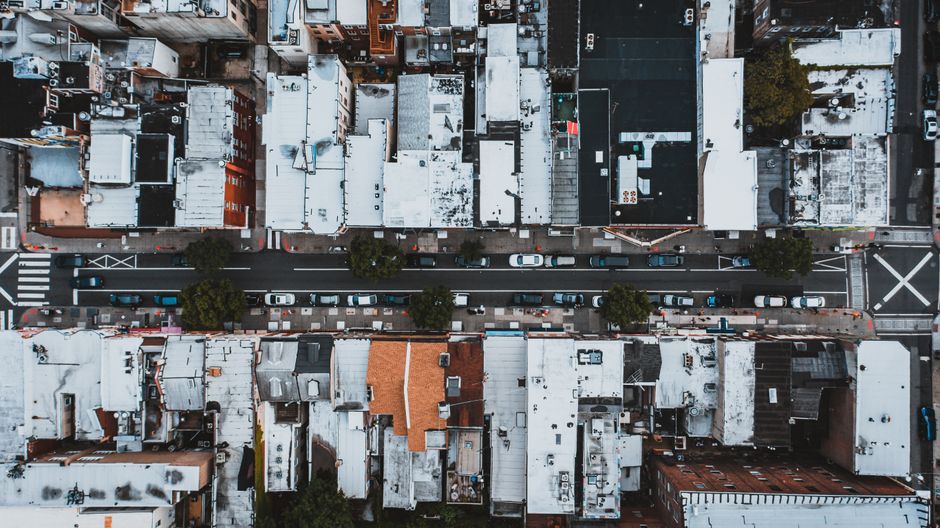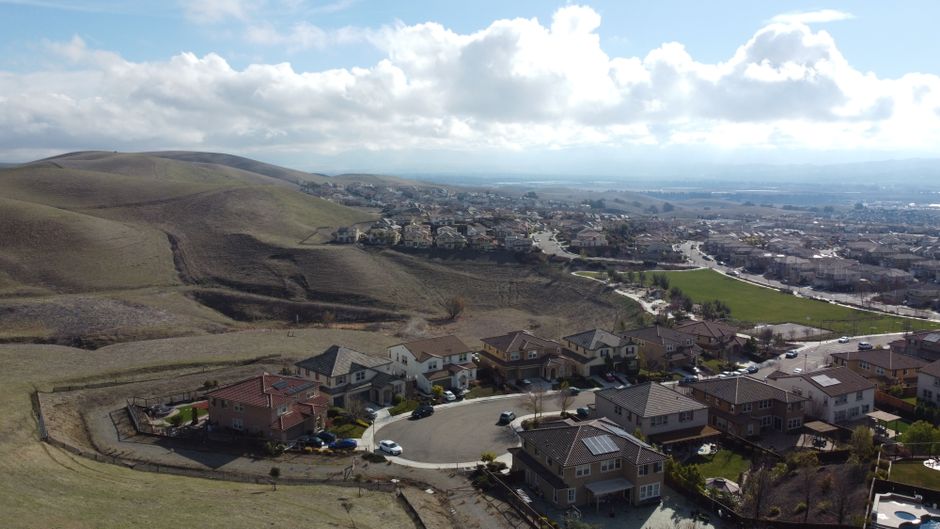
I landed in Fresno on a Thursday in early October, and the first thing I noticed wasn't the wide boulevards or the agricultural sprawl—it was how many older folks I saw at the coffee shops and farmers markets. Real retirement age people, not tourists. That got me curious. Fresno's been getting attention lately as an affordable California option, the kind of place where your retirement savings might actually stretch. But "affordable relative to San Francisco" isn't the same as "actually affordable," and I spent a week talking to retirees, checking rents, and sitting in on healthcare conversations to figure out whether the Central Valley's largest city actually delivers on its promise.
What I found is more nuanced than the cheerleader articles suggest. Yes, you can retire here on less. Yes, there are real neighborhoods where retirees cluster and build lives. But the heat, the air quality some years, and the particular way healthcare is organized here all matter more than the price tags. This isn't a hidden-gem story. It's a real-numbers story.
What You'll Actually Pay in Fresno Versus Other California Cities
Housing is what everyone leads with, and they're right to. A one-bedroom apartment in Fresno runs roughly $1,100 to $1,400 a month in decent, walkable areas. A modest two-bedroom house in established neighborhoods goes for $300,000 to $450,000, depending on how much work it needs. That's genuinely 40 to 50 percent cheaper than Sacramento, two-thirds the price of San Jose, and a fraction of what you'd pay in the Bay Area or LA. I looked at a 1950s Craftsman near Van Ness Avenue that would've been $800,000 anywhere else—here it was listed at $385,000.
But housing isn't the whole picture. Groceries cost roughly what they cost elsewhere in California. Gas prices track the state average. Utilities are moderate (not low) because you're running AC most of the year. Property taxes in California are capped at 1 percent of assessed value under Proposition 13, which helps retirees on fixed incomes stay put long-term. Still, that 1 percent on a $400,000 house is $4,000 a year, which people often forget. Healthcare premiums, insurance, and out-of-pocket costs depend heavily on whether you're on Medicare, and those numbers vary wildly. Overall, a modest retirement budget in Fresno might run $2,500 to $3,200 a month if you're careful. In the Bay Area, that same lifestyle would push $4,500 to $5,500.
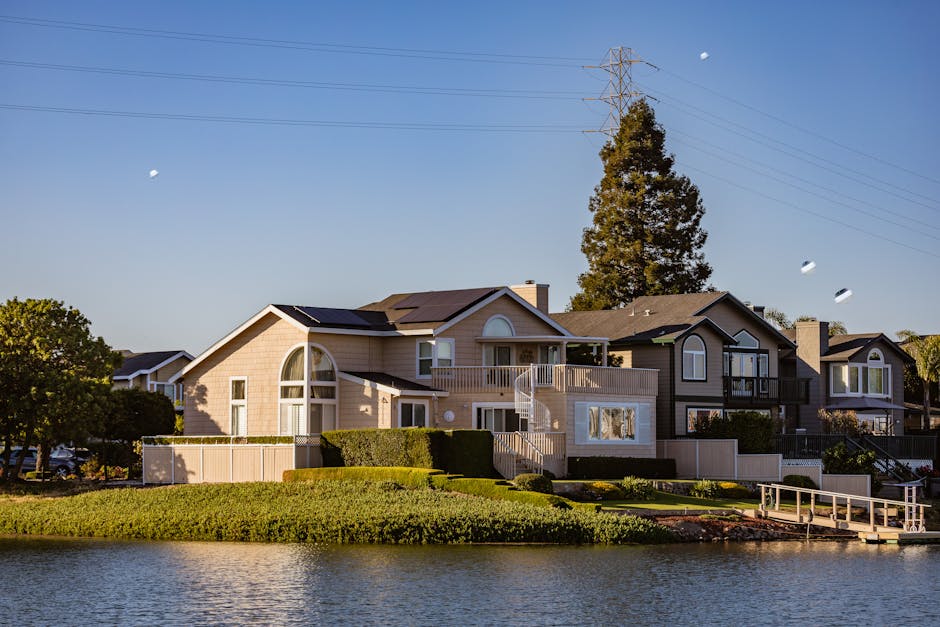
Healthcare: What Retirees Actually Deal With Here
Medicare eligibility changes the equation, and Fresno has the infrastructure for it. Community Medical Centers, Fresno Heart & Surgical Hospital, and Clovis Community Medical Center provide primary care, cardiology, orthopedics, and most specialties you'd need in retirement. My conversations with retirees on Medicare were positive—they got appointments, and copays were predictable. The real limitation isn't availability; it's that Fresno isn't a major medical hub. If you need rare-disease specialists or cutting-edge oncology centers, you're driving to UC Davis in Sacramento (90 minutes) or thinking about Palo Alto (three hours). For routine aging—blood pressure management, hip replacements, diabetes care—you're fine.
The bigger issue is physician retention. Fresno's medical schools graduate doctors, but some of the best ones leave. That's not unusual for the Central Valley, but it means you might not find the renowned specialist you had in your home state. Many retirees I spoke with stayed with telemedicine for non-urgent issues and came back to Fresno for imaging and in-person care. If you have complex medical history or rare conditions, ask hard questions before moving. If you're relatively healthy and willing to drive for serious stuff, Fresno works.
The Climate Reality: Summer Isn't Optional
Fresno summers hit 95 to 105 degrees regularly, sometimes for weeks on end. I was there in October and it was still 85 degrees at 7 p.m. People exaggerate the "dry heat" advantage over humidity, but there's some truth to it—you sweat less noticeably, your skin doesn't feel clammy, and air conditioning works more efficiently. Still, you're running your AC bill hard from May through October. Winter is genuinely mild. Frost happens, but snow doesn't. I saw retirees who'd left Minnesota and New England treating winters like an unexpected gift.
The hidden cost is air quality. The San Joaquin Valley traps smog and agricultural dust, and some summers are worse than others. If you have asthma, COPD, or heart issues, that's real. The American Lung Association regularly ranks Fresno in the unhealthier categories for ozone and particle pollution. It's not always bad—some days are crystal clear—but if you're managing respiratory health, this is a significant factor. Retirees with lung disease I talked to mostly dealt with it by staying inside on bad-air days. Not ideal for people who've spent their lives outdoors.

State Taxes and What You Need to Know
California state income tax is progressive, starting at 1 percent and climbing to nearly 14 percent for high earners. If you're living on Social Security alone, you might not owe state tax at all—Social Security benefits are generally excluded under California law. If you have pensions, retirement withdrawals, or other income, you'll owe tax on the portion that exceeds your filing threshold. There's no estate tax at the state level, which matters for your heirs.
Medicare premiums themselves aren't deductible against state income tax. Property taxes are capped, which is a real advantage if you're retiring in place. The takeaway: Fresno's tax situation is neither better nor worse than other parts of California. If you're moving from a state with no income tax, you'll feel the California difference regardless of where you land in the state. Consult a tax professional before moving—your personal situation determines whether Fresno or any other California location makes sense.
Clovis: The Suburb That Skews Younger but Still Works
Clovis is fifteen minutes northeast of downtown Fresno, and it's the place where retirees often end up if they want a quieter, newer feel. It's been growing since the 1970s, so the neighborhoods have solid infrastructure. Schools are generally well-regarded, which matters if grandkids visit. Housing runs about 10 to 15 percent higher than central Fresno—a two-bedroom might be $350,000 to $500,000—but you're buying something built more recently, often with updated systems.
The retirement crowd here is smaller than in Fresno itself, and the overall population skews toward working families. But that's not bad. Retirees I met in Clovis liked the lower crime rates (Clovis consistently ranks safer than Fresno proper), the newer shopping areas, and the suburban walkability. The medical facilities here are newer too. If you want California affordability without feeling like you're slumming in an older urban core, Clovis is the move. The trade-off is you're less integrated with the city's cultural life.
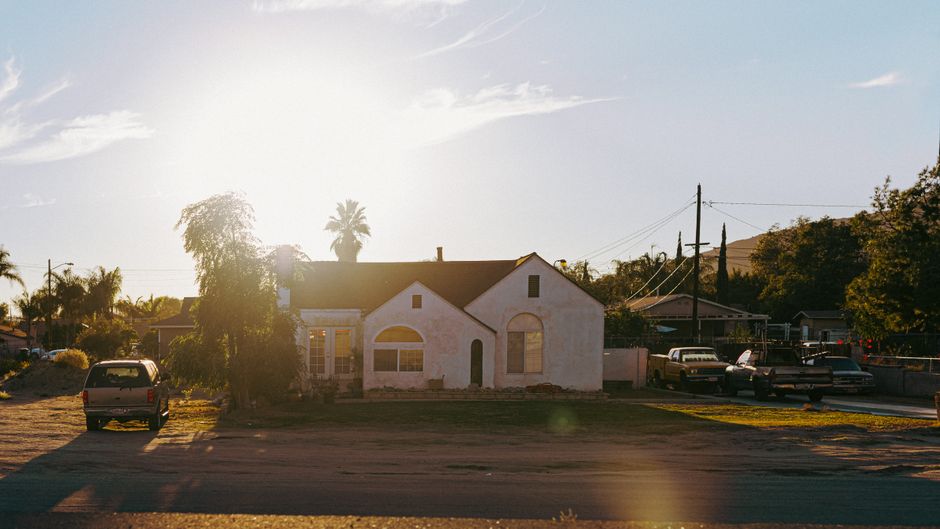
Visalia: The Smaller-City Alternative Thirty Minutes South
Visalia sits at the southern edge of the San Joaquin Valley, closer to the Sierra Nevada foothills, and it feels distinctly different from Fresno. The population is under 150,000, so everything's smaller-scale. The summers are slightly cooler because of elevation and the mountain influence. Housing is comparable to Fresno—maybe $280,000 to $420,000 for a solid house—and a lot of retirees have moved here specifically because it has that quieter-county-seat vibe without the hustle of a bigger city.
Visalia's downtown has been investing in revitalization, and there are actual walkable blocks with coffee shops, galleries, and parks. The Visalia Medical Centers and nearby Kaweah Delta Healthcare System handle most medical needs. If you want small-town retirement in California's Central Valley, Visalia often wins out over Fresno. You give up some cultural density and dining variety, but you gain slower pace and the psychological comfort of a town where you recognize people. For someone leaving a bigger city but not wanting to move out of California entirely, it's worth visiting for a few days.
Neighborhoods in Fresno: Where Actual Retirees Live
If you're staying in Fresno proper, Van Ness Avenue and the adjacent blocks form the historic heart. It's walkable, trees are mature, and there's architecture. Rents and home prices are slightly higher here, but you're near downtown, restaurants, and the Fresno State campus, which brings cultural events. I walked around on a Saturday morning and saw older couples on porches, farmers market shoppers, and local coffee spots that seemed to know their regulars.
Fig Garden, north and east of Van Ness, is more suburban but still established. Homes are bigger, lots are wider, and the neighborhood has been stable for decades. It's where people who want a house with a yard (and actually want to use it year-round, which is realistic in Fresno's climate) tend to land. You'll pay a bit more, but you're not in the boonies. Tower District, near Fresno State, has been gentrifying slowly. Younger retirees and older professionals are moving in. It has actual street life—restaurants, theaters, bars—which some retirees want and others actively avoid. If you're looking for the anti-suburban retirement experience but still want affordability, Tower is interesting.
The Honest Questions to Ask Yourself
Fresno works if you're willing to be honest about what you want. Are you okay with heat? Can you manage on a tight budget and not resent it? Do you have or want close family nearby? Will you drive, or do you need walkability? Are you retired from a career in California, or are you moving in from out of state?
Retirees I spoke with who thrived here had made deliberate choices. One woman from San Diego said she wasn't willing to pay a million for a condo, and Fresno gave her a house and a budget surplus. A couple from Ohio appreciated the winter reprieve and didn't mind the summer if they had good AC. A widower from the Bay Area wanted affordability and proximity to his daughter in the Central Valley. They all knew what they were getting. The ones who regretted the move were people who expected California charm at Arizona prices, or who'd hoped Fresno would feel more like the coastal California they'd left. It won't. It's the Central Valley. It's hot, it's agricultural, it's real estate cheap, and it works if that's actually what you want.
Frequently Asked Questions
how much does it cost to live in Fresno California for retirees
A comfortable retired lifestyle in Fresno runs about $2,500 to $3,200 monthly, including rent or mortgage payments, utilities, groceries, and healthcare. Housing costs roughly 40-50% less than Sacramento and a fraction of Bay Area prices. Actual costs depend heavily on whether you own or rent and your specific healthcare needs.
is Fresno good for retiring on Social Security alone
Fresno is more affordable than many California cities, but retiring on Social Security alone requires careful budgeting anywhere in California. If your benefit is $2,000+ monthly and you own a home outright, it's possible. Renters will struggle unless they have additional income or live in subsidized housing. Talk to a financial advisor about your specific numbers.
what is the best neighborhood in Fresno for retirees
Van Ness Avenue and Fig Garden offer walkability, established infrastructure, and proximity to medical care. Clovis offers newer homes and lower crime if you prefer suburban feel. Visalia, 30 minutes south, appeals to retirees seeking a smaller-city atmosphere with similar costs. Best choice depends on whether you want walkability, suburban quiet, or small-town feel.
is the heat in Fresno unbearable for older people
Fresno's summer heat—often 95-105 degrees—is manageable with good AC and staying indoors on extreme days, but it's not for everyone. Winters are mild. The real concern is air quality during summer, which affects people with respiratory or heart conditions. Retirees with good health generally adapt; those with lung or cardiac issues should research seasonal air quality before moving.
Which neighborhood would you retire in?