
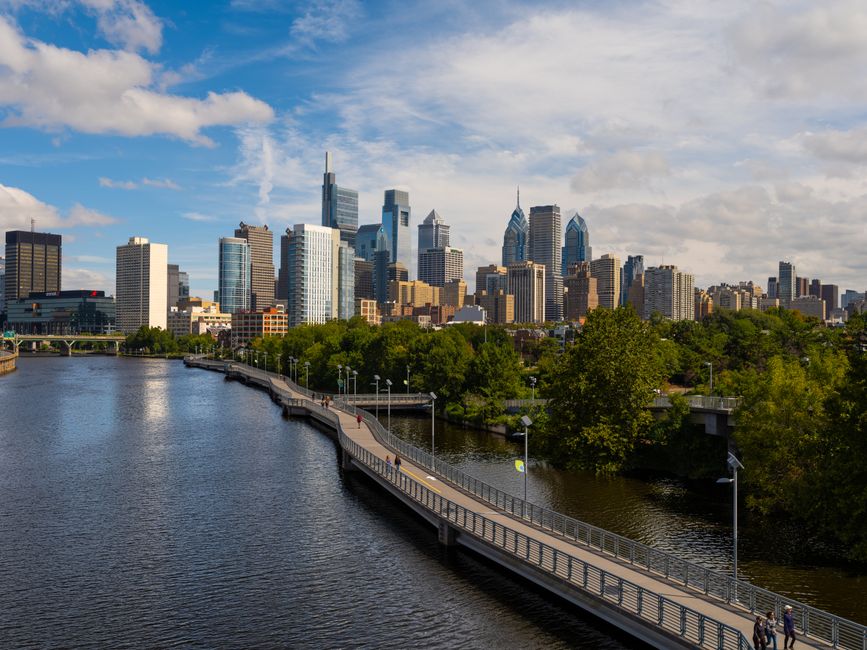
I came to Philadelphia expecting the usual script: Liberty Bell, Independence Hall, maybe grab a cheesesteak. But after three days of dodging tour groups on Market Street, I realized the real city was somewhere else entirely. The kind of place where you stumble into a neighborhood bookstore and lose an hour, or find a viewpoint where you're actually alone with the skyline.
Most people never leave the historic district. They don't wander north into Fairmount or catch the light changing over the Schuylkill. They definitely don't know about the small museums tucked into rowhouse blocks or the parks that locals fiercely protect from the guidebook crowd. I spent a week hunting these places down, walking until my feet hurt, and I'm putting them here because they deserve more than the 200 Instagram posts from Rittenhouse Square.
Laurel Hill Cemetery: The Green Space That Time Forgot
Most cities have a beautiful cemetery. Philadelphia's Laurel Hill doesn't just look like a park—it has the feel of one, except without the crowds and with some genuinely stunning views of the Schuylkill River. Opened in 1836, it's one of the oldest cemetery-as-landscape projects in America, and it shows. The grounds are vast, rolling, with massive oaks and Civil War monuments mixed in among the graves.
I went on a Saturday afternoon expecting it to feel morbid or empty. Instead, I found a couple walking their dog, someone doing sketches near the water, and a stillness that you absolutely cannot find in any other green space in the city. The eastern slope has this unobstructed view of the river and the bridges that would make sense on a postcard, except the postcards show Independence Hall again instead. Entry is free, and there's a small visitor center with actual history—not the sanitized version, but the complicated Philadelphia story.
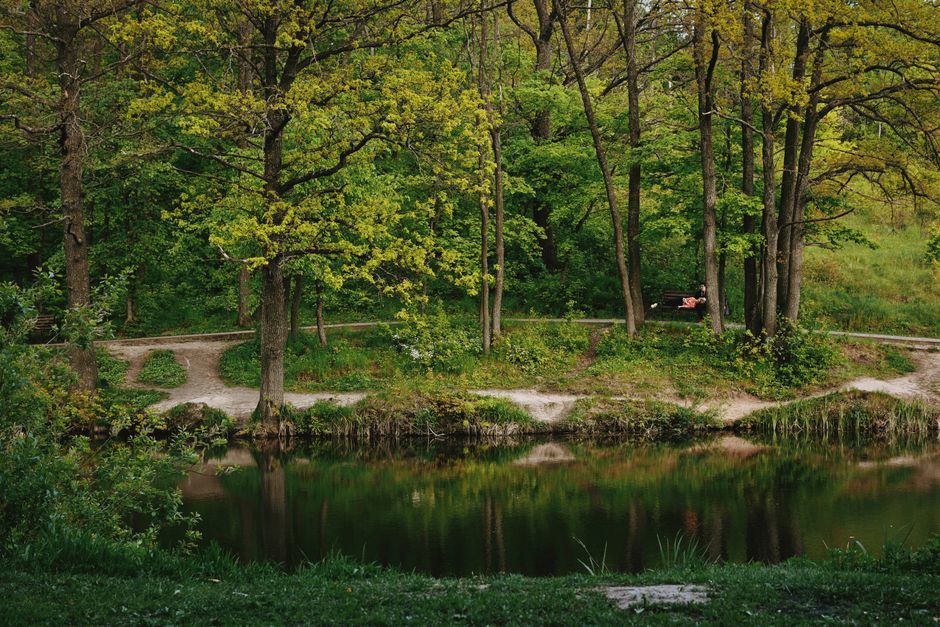
The Rodin Museum: Sculpture Without the Crowds
Everyone's heard of the Philadelphia Museum of Art. Nobody talks about the Rodin Museum, which is literally across the street and contains the most significant Rodin collection outside of Paris. I walked in on a Thursday and counted maybe eight other people in the entire building. Eight.
The museum is small—you can see it in an hour or two—but it's the kind of intimate experience you've probably forgotten exists. The garden courtyard has the bronze castings arranged with this obsessive care, and the light hits them differently depending on what time you arrive. 'The Thinker' is here, along with pieces most people have never encountered. Admission is around twelve dollars, and it feels like you're getting away with something.
Bartram's Garden: The Oldest Botanical Garden You've Never Heard Of
Bartram's Garden sits on 54 acres in Southwest Philadelphia, just far enough off the tourist map that you'll probably be the only person there on a weekday. It was founded in 1728 by John Bartram, a botanist who basically invented American plant science, and it's still arranged roughly as it was in the 1700s.
The walking trails wind through meadows and forest sections. There's an old stone house where Bartram actually lived. It's quiet in a way that feels intentional, not accidental. In spring, the native plants are overwhelming. In fall, the light through the trees is the kind of thing that makes you understand why someone would spend their whole life studying plants. The admission is reasonable, and the staff is small enough that you actually get to talk to people who know something rather than people who've memorized a script.

Elfreth's Alley and the Neighborhood Around It
Everyone knows Elfreth's Alley exists—it's marketed as the oldest continuously inhabited street in America, dating to 1702. What they don't tell you is that the blocks immediately surrounding it have barely changed in appearance since the 1800s, and they're almost completely free of tourists.
I walked the alley itself on a Saturday morning and watched about 40 people take nearly identical photos. Then I turned onto the streets north and south—Race Street below, Arch Street above—and found narrow rowhouse blocks where people were actually living their lives. There's a small dive bar tucked into one corner where the bartender knew everyone's name and nobody was taking pictures. A few vintage shops, a used bookstore, the kind of place that feels like a neighborhood rather than a set. The alley itself is touristy, sure, but the perimeter is genuinely still Philadelphia.
The Barnes Foundation: Art Without the Feeling You're Being Managed
The Barnes moved from its original mansion in 1925 to a new building in 2012, and most people assume that made it more tourist-friendly and less special. The opposite happened. The new building is actually less crowded than you'd expect, and the collection is overwhelming in the best way.
Dr. Albert Barnes collected obsessively, and what he left behind is roughly 2,600 artworks arranged in ways that would drive a curator insane. There are Renoirs stacked three-deep on walls. Medieval tapestries hung next to modern paintings. It feels chaotic until you realize it's actually coherent in a deeply personal way. The building itself is quiet, almost library-like. I spent four hours and didn't feel rushed or like I was on a tour track. Admission requires timed tickets, but that's actually good because it keeps the numbers manageable. It costs more than some of the other spots, but if you care about art, it's worth every dollar.

Mariposa: Local Vintage That Actually Makes Sense
There are a hundred vintage shops in Philadelphia. Most sell the same mass-produced costume jewelry and stained band t-shirts. Mariposa, a small shop in the Kensington area, actually curates its inventory like it's running a real store for real people.
I found a 1940s wool coat, some genuinely nice ceramics, and a shelf of old photography books that were priced to actually sell rather than to sit. The owner was working the counter and had opinions about everything in the shop, which is the only way vintage retail should be. It's not Instagram-ready, which is exactly why it's worth going. You won't find it on a main shopping street—you have to actually wander north from the city center and know it exists. That's the whole point.
Smith Memorial Playground: Carved Wood and Actual Local History
Smith Memorial Playground sits in Fairmount Park and was built in 1899 as what might be the most elaborate children's play structure ever made. It's entirely hand-carved wood, with turrets and slides and structures that would probably never pass a modern safety inspection. Most people drive right past it.
I went on a Saturday afternoon when kids were actually using it, which added this layer of pure joy to the landscape. The craftsmanship is genuinely exceptional—someone spent years carving the details on this thing. There's a small adjacent museum with artifacts explaining the history. It's free to explore. It feels like stepping into a specific moment in Philadelphia's past when someone decided to build something obsessively well, even though it was just a playground. That impulse is all over this city if you look for it.
Frequently Asked Questions
what are the best lesser known spots in Philadelphia
Laurel Hill Cemetery offers river views and peace without crowds, the Rodin Museum has most of Paris's competition outside its walls, Bartram's Garden provides 54 acres of quiet botanical history, and Elfreth's Alley's surrounding neighborhood blocks feel lived-in rather than performed. Each requires minimal effort to reach by public transit or a short ride from downtown.
is Philadelphia worth visiting for non touristy things
Absolutely. Beyond the historic district, Philadelphia has serious parks, smaller museums with real collections, neighborhoods with character, and local shops that haven't been designed for Instagram. The city reveals itself if you're willing to walk north into Fairmount or southwest to the older botanical gardens and cemeteries.
how many days do you need in Philadelphia to see everything
Three days covers the major historic sites. Five to seven days lets you actually experience neighborhoods, wander into smaller museums without rushing, visit parks like Laurel Hill and Bartram's Garden, and eat at places where locals eat rather than where tourists are funneled. The extra time reveals a completely different city.
are Philadelphia museums open on weekdays
Most are, though hours vary. The Rodin Museum and Barnes Foundation keep regular weekday hours and are noticeably less crowded on weekday afternoons. Smaller institutions like the visitor center at Laurel Hill Cemetery keep more limited schedules, so it's worth checking ahead online or calling before you go.
Which spot would you check out first?



