
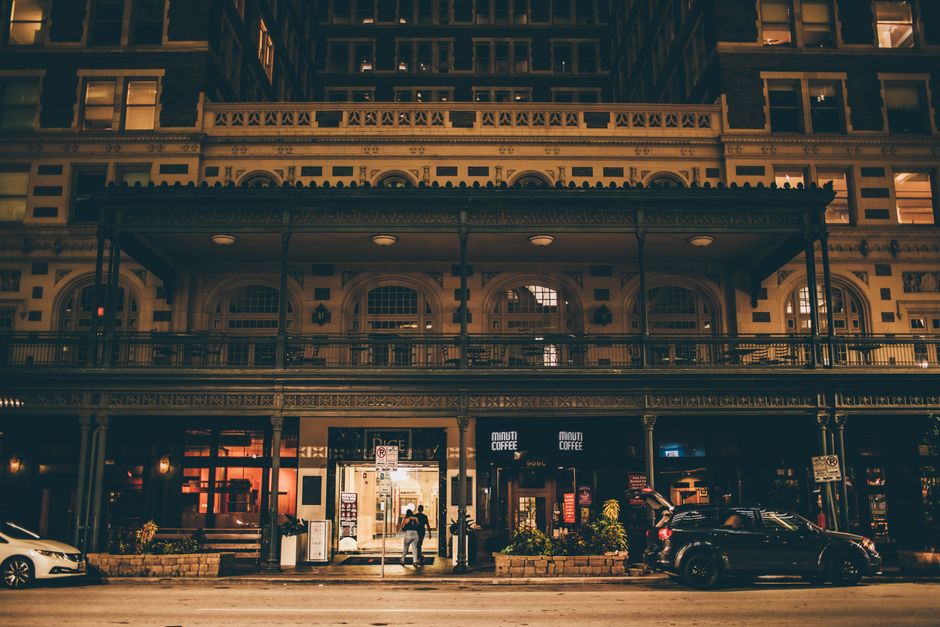
I landed at IAH on a humid Thursday afternoon and grabbed a rideshare straight into downtown—the usual nervous energy you get rolling into any major city for the first time. Houston's not small, and it's sprawling enough that safety isn't a one-answer question. After three weeks of moving around the city, staying in different neighborhoods, taking the light rail at odd hours, and talking to locals who actually live here, I've got a clearer picture than the generic "avoid downtown" advice you'll find online.
The reality: most of Houston is fine. People work, eat, shop, and live normal lives. But like any city of 2.3 million, there are neighborhoods and times where you need to be more alert, and there are genuinely unsafe stretches, especially after dark. This isn't fearmongering—it's the difference between smart traveling and reckless traveling.
Downtown Houston After Dark
Downtown isn't a dead zone the way it was 10 years ago. There's real nightlife now—bars, restaurants, theater district crowds spilling out late. I walked around midtown and the Theater District on Friday nights and felt fine, especially on Market Street and around the performing arts venues where there's foot traffic and lighting.
But here's the honest part: blocks just a few streets over—particularly east of Main Street and south of Dallas Avenue—thin out fast once the sun sets. The daytime vibe evaporates. You'll see homeless encampments, fewer people moving around, and spotty lighting. I wouldn't walk solo through these areas at night, even though they're technically downtown. If you're staying downtown for an event or dinner, use a rideshare or taxi after dark rather than walking more than a few blocks. During the day, downtown is genuinely pleasant for walking—museums, the Buffalo Bayou Park trail, the market.

Third Ward and Fifth Ward: Proceed Carefully
These neighborhoods east and southeast of downtown have deep Houston history and cultural significance, but they're also dealing with real poverty and documented gang activity. I didn't spend time in these areas at night, and I won't pretend it's comfortable for a solo traveler, especially after dark. During daylight, if you have a specific reason to be there—visiting a friend, a particular restaurant, the TSU campus—you can do it, but wander around aimlessly at night and you're asking for trouble.
The statistical reality backs this up: these zones consistently show up in local crime reports with higher property crime and violence rates. It's not racism or fear-mongering to acknowledge that; it's the data. Locals will tell you the same thing.
Midtown and Heights: Generally Safe with Street Sense
Midtown—the area around Main Street north of downtown into the Heights—is where I spent most of my time, and it's where most solo travelers end up. It's mixed use, younger, has bars and restaurants and lived-in energy. I walked around at night without incident multiple times. The street lighting is better, there are people around, and the vibe is more active.
The Heights proper, further north, is residential, tree-lined, and quiet. Very safe in the daytime. At night, the usual precautions apply—don't flash expensive gear, be aware of your surroundings, stick to lit streets. I didn't feel unsafe walking back to my hotel around 10 p.m., but I was also paying attention and moving with purpose, not wandering around at 2 a.m. on a side street. Street smarts matter more than the neighborhood itself in these areas.

East End and Sunnyside: Where to Avoid After Dark
The East End and Sunnyside neighborhoods south and southeast of downtown show up consistently in crime reports. I was warned away from these areas multiple times by locals, and I didn't test it. During the day, if you're visiting a specific location, you can manage it, but at night they're not worth the risk. The economic stress is real, property values are depressed, and street-level safety can be unpredictable.
If you're flying into Hobby Airport (in the southeast), you're skirting the edge of these neighborhoods. Get straight to your destination via rideshare; don't walk around exploring. It's not that every corner is dangerous, but the reward doesn't justify the risk for a short visit.
West University and Bellaire: Affluent and Quiet
West University and Bellaire—the areas west and southwest of downtown toward Rice University—are wealthy, residential, well-lit, and quiet. I felt completely safe walking around during the day and evening here. These neighborhoods have their own police forces in some cases and higher visible law enforcement. If you're staying near the university or want a quieter neighborhood experience, these are solid choices.
The trade-off is that they're sleepy at night. There's not much happening—restaurants and shops close early, streets are empty of foot traffic. It's safe, but it's not lively. Good if you want peace and quiet, not ideal if you're looking for nightlife.

Transit Safety: Light Rail vs. Walking vs. Rideshare
Houston's METRO light rail—the Red, Purple, and Green lines—is safe during normal operating hours, especially midday. I took it multiple times to get around. Evenings and late night, the trains get thinner, and you're more exposed to anyone else on the car. Stick to well-populated trains if you're out late, and be aware of who's around you. The stations themselves vary—downtown stations are busier and have more eyes; outer stations can feel isolated after dark.
Walking is fine during daylight in most neighborhoods I explored—midtown, heights, west university, museum district. At night, it depends entirely on the area and the street. Main Street corridors are walkable at night. Residential side streets aren't. If you're unsure, use a rideshare. They're cheap in Houston and faster than walking anyway. I never had a bad experience with rideshare drivers, but the usual precautions apply: confirm the car details, sit in the back, share your location with someone if you're nervous.
Practical Precautions That Actually Matter
Don't leave anything visible in your car. Break-ins are common, and it's not always about the value of what you're carrying—a phone charger visible on the seat is enough. Park in well-lit, populated areas or in a parking garage. Keep your phone secured and don't be obvious with expensive gear like cameras or jewelry. After dark, move with purpose and stay aware. Don't walk alone through unfamiliar areas at night, especially on foot—use a car service.
The biggest risk in Houston isn't violent crime; it's property crime, car break-ins, and theft from vehicles. A solo traveler's actual exposure is low if you're not careless. I didn't witness any crime during my time here, and I didn't hear stories of travelers getting mugged. That doesn't mean it never happens, but it's not the defining feature of the city's safety picture. The crime reports that do show up are often concentrated in the neighborhoods already mentioned—Third Ward, Fifth Ward, East End—where visitors shouldn't be wandering around anyway. Stay out of those areas after dark, use rideshare in the evening, and you're managing the risk responsibly.
Frequently Asked Questions
Is downtown Houston safe at night?
Downtown's Theater District and midtown areas are safe at night with decent foot traffic and lighting, especially on Market Street. Blocks east of Main Street and south of Dallas Avenue thin out and feel isolated after dark—use a rideshare instead of walking in those areas. During the day, downtown is pleasant and safe for walking.
Which Houston neighborhoods should I avoid?
Third Ward, Fifth Ward, East End, and Sunnyside have documented higher crime rates and are not comfortable for solo travelers, especially after dark. Stick to midtown, the Heights, and west university areas instead. If you must visit these neighborhoods during the day, do so with purpose and use rideshare at night.
Is the Houston METRO light rail safe?
The light rail is safe during midday and normal operating hours with decent passenger traffic. Late evening and night, trains get thinner and stations can feel isolated. Stick to well-populated cars and be aware of your surroundings after dark. Rideshare is often a safer and faster alternative for evening travel.
What should I do to stay safe traveling alone in Houston?
Use rideshare after dark instead of walking unfamiliar areas. Don't leave valuables visible in your car. Stay in midtown, the Heights, or west university neighborhoods. Walk with purpose during the day in well-lit, populated areas. Keep your phone secure and be aware of your surroundings. Most travelers have no issues with common sense precautions.



