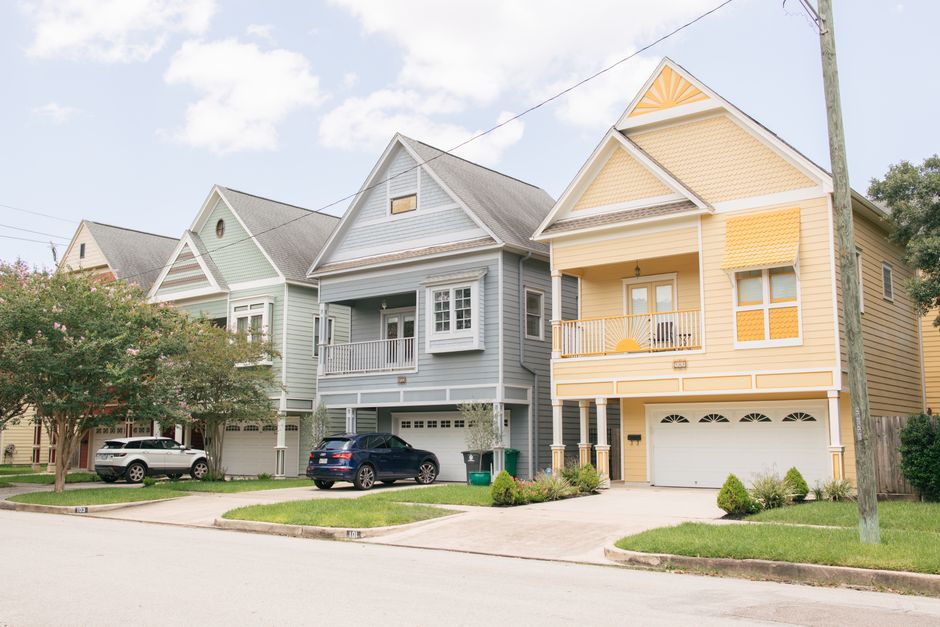
I landed in Houston on a June afternoon and immediately understood why people either love or leave. The heat hits you the second you step outside—we're talking sustained 95-degree days with humidity that makes walking to your car feel like breathing through a towel. But I also noticed something else: people were everywhere, and they seemed to stay. Retirees especially. The city's been attracting older adults for years, and once you spend time here, you start to understand why, even if the weather isn't the reason.
Houston's appeal to retirees comes down to a few things: no state income tax (a real draw compared to other states), a massive medical center, relatively affordable real estate in pockets around the metro area, and a sprawling, car-dependent layout that can feel isolating or liberating depending on your perspective. But it's also a city with serious traffic, aggressive urban heat, and a cost of living that's risen faster than many people expect. I wanted to dig into what retiring here actually means, beyond the tax benefit.
The Tax Picture and Cost of Living
Let's get the headline out of the way: Texas has no state income tax. That's a genuine advantage if you're transitioning from a state with income taxes, and plenty of retirees factor this into their decision. However, that tax break doesn't paint the full financial picture.
Houston's cost of living is moderate compared to coastal metros, but it's crept up. Housing prices have risen substantially over the past decade. A modest three-bedroom house in an established neighborhood now routinely runs $250,000 to $350,000, and desirable areas closer to the Medical Center or in the western suburbs push well higher. Apartment rentals are available across a wide range, but quality units in safer areas tend toward $1,200 to $1,800 a month. Utilities can be brutal—summer air conditioning bills run $150 to $250 monthly during peak months because the city doesn't have natural climate moderators. Groceries and everyday goods are roughly in line with national averages, and there's no state sales tax break to offset, though the overall tax burden (property tax, sales tax) is worth discussing with a financial advisor specific to your situation.
Gasoline and vehicle maintenance are ongoing costs because you'll need a car—public transit exists but is limited compared to older cities, and many retirees find themselves driving daily. All told, a retired couple might comfortably live on $3,000 to $4,500 a month depending on housing choice and lifestyle, but housing is where individual circumstances vary wildest.

Healthcare and the Medical Center
The Texas Medical Center is one of the world's largest medical complexes, and it's a legitimate draw for retirees concerned about serious healthcare access. MD Anderson Cancer Center, St. Luke's Medical Center, Methodist Hospital, and dozens of specialized facilities operate here. If you need major cardiac surgery, oncology expertise, or cutting-edge treatment, Houston is competitive with any US city. For routine care—primary physicians, urgent clinics, specialists—availability is good, though wait times can stretch, especially for popular providers.
That said, the Medical Center's excellence doesn't automatically translate to affordable or convenient routine care for every retiree. You'll want Medicare coverage locked down and supplemental plans reviewed, same as anywhere. Some retirees report that Houston's size creates a fragmented feeling in healthcare—you might wait weeks for a dermatology appointment at one practice but get in immediately across town. It's not a drawback specific to Houston, but the sprawl makes coordination feel more effortful than in denser cities. Check whether your specialists and preferred practices are within a reasonable drive, because "reasonable" in Houston means different things depending on traffic and time of day.
Climate: The Elephant in the Room
Houston gets hot. From June through September, daily highs regularly exceed 92 degrees, and the humidity keeps "feels like" temperatures in the 100-110 range. Air conditioning is not optional—it's essential infrastructure. October and November are the best months: warm, sunny, and tolerable. Winter is mild; freezing temps are rare, though the city notoriously struggles when ice or snow does arrive because nobody's equipped for it. Spring (March-April) and early fall can be beautiful, but they're bookends around a brutal summer.
If you enjoy outdoor activity—walking, gardening, golfing—you'll be confined to early mornings or after 6 p.m. during summer. Many retirees adapt by switching to indoor hobbies, late-day activities, or relocating to nearby Hill Country towns that sit a few hundred feet higher in elevation and feel measurably cooler. Some retire to Houston knowing they'll spend heavy summers elsewhere. It's not a disqualifier for everyone, but it's not abstract—you need to honestly assess whether you can handle sustained heat.
Sugar Land and Nearby West Houston
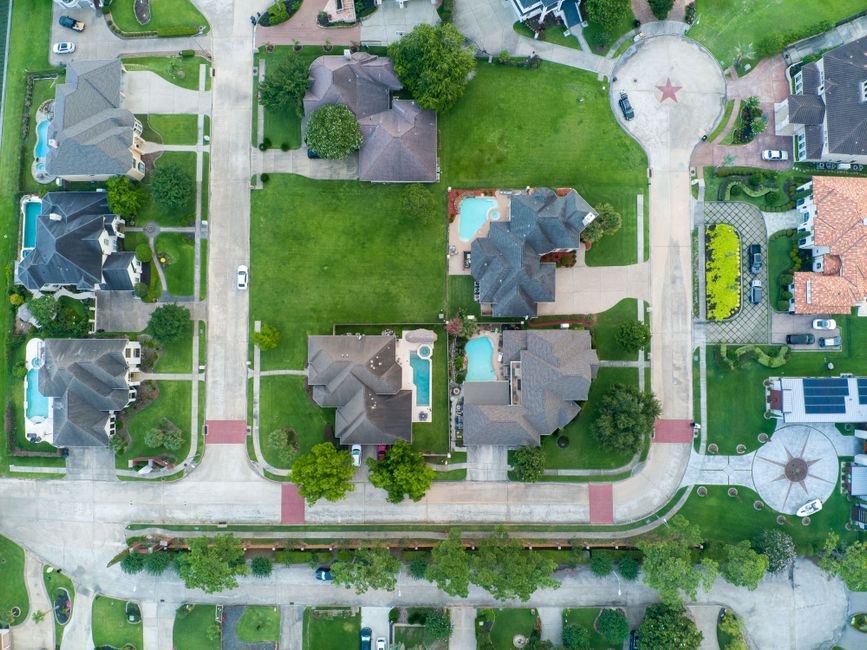
Sugar Land, about 20 miles southwest of downtown, has become a second-home town for retirees wanting Houston access without city sprawl. It's a planned community with solid infrastructure, good schools (relevant if grandkids visit), and a lower crime rate than many Houston neighborhoods. Housing starts around $250,000 for older inventory and climbs into the mid-$400s for newer construction. The town center has shops, restaurants, and a movie theater. It feels suburban and safe, which is exactly what draws some retirees and bores others.
The tradeoff is distance—you're looking at 45 minutes to an hour getting downtown or to the Medical Center depending on traffic. For routine medical care, there are solid hospitals and clinics, but specialists may require a drive. Nearby Katy, similarly positioned west and slightly closer to downtown, has similar characteristics: good value, suburban feel, growing amenities. If you want quietness, lower density, and don't mind driving for entertainment, either town makes sense.
The Woodlands and North Houston
The Woodlands, about 30 miles north, is a higher-end option—newer homes, master-planned community feel, and a robust town center with dining and entertainment. It's also pricier, with homes typically starting around $400,000 and going significantly higher. The area attracts younger retirees with higher budgets and those who want an active lifestyle—golf courses, pools, fitness centers are abundant. Traffic getting south toward downtown or the Medical Center can be heavy, but the interchange infrastructure is better than many parts of Houston.
If you're looking for something closer and less developed, areas like Montgomery or Conroe (further north, 40-50 minutes out) offer cheaper housing and a more rural feel, but you're trading convenience for cost and space. The general principle: the further you go from the Medical Center and downtown, the cheaper housing gets, but your commute for medical care or entertainment stretches.

Neighborhoods Inside Houston Proper
Some retirees prefer staying inside the city limits rather than moving to suburbs. Montrose, once a bohemian neighborhood, has gentrified significantly and now has upscale apartments, good restaurants, and walkability (rare in Houston). It skews younger and urban, but older adults drawn to city living find it appealing. Housing is expensive—expect $400,000 and up for houses, and rents reflecting prime location.
Heights, closer to downtown and northwest, has similarly gentrified and offers a neighborhood feel with parks, cafes, and local character. Again, prices reflect popularity. Bellaire, a small, affluent enclave within Houston, has excellent schools and a village-like feel despite being in the city. It's consistently been one of the safest Houston neighborhoods, and retirees drawn to urban convenience with strong safety records land here, though homes are pricey—typically $350,000 and up.
The reality is that Houston's most livable neighborhoods for retirees seeking walkability and community tend to be on the expensive side. The trade-off between affordability and convenience is acute here. You can find cheaper neighborhoods, but safety, walkability, and upkeep are less reliable. It's worth spending a week in a few different areas before committing.
Traffic, Transportation, and Lifestyle Reality
Houston's traffic is legendary and earned. Getting across the city takes time, and rush hour congestion makes any drive feel potentially epic. If you're moving from a walkable city and are hoping Houston will be different, adjust expectations now. You'll need a car. You'll spend time in it. Public transit (METRO buses and light rail) exists and has improved, but it doesn't cover the sprawl, and routes are less intuitive than older cities' systems.
This matters for retirees who can no longer drive confidently or who want to age in place without vehicle dependency. If that's your situation, pick a neighborhood or suburb with denser amenities—Montrose, Sugar Land town center, or The Woodlands—and be honest about whether car-free living is feasible. For others, the ability to choose where you live because of car access is a freedom. The lifestyle implication depends on your values and physical ability.
Final Takeaway: Ask Yourself Hard Questions
Houston works for retirees who are flexible on climate, okay with driving, and attracted to lower taxes and good medical infrastructure. The no-state-income-tax benefit is real, but it shouldn't be the only reason. If you hate heat, the summers will grind you down. If you want walkable community, you'll need to pay for it. If you're on a tight budget, there are affordable neighborhoods, but safety and upkeep vary.
Before committing, spend a week here in summer. Rent a place month-to-month if possible. Visit your potential neighborhood multiple times—morning, afternoon, evening. Drive to the Medical Center, your favorite restaurant, the grocery store. Talk to current retirees actually living there, not just recruiters. Houston's draw is real, but it's not for everyone, and honesty upfront beats a move you regret.
Frequently Asked Questions
Is Houston good for retirees
Houston appeals to retirees because Texas has no state income tax, the Texas Medical Center offers world-class healthcare, and housing is relatively affordable compared to coastal cities. However, summer heat is extreme and sustained, traffic is heavy, and you'll need a car. It works well for heat-tolerant retirees who prioritize medical access and tax savings but may not suit those wanting walkability or mild weather.
What is the cost of living for retirees in Houston
A retired couple can live comfortably on $3,000 to $4,500 monthly, depending mostly on housing. A modest house runs $250,000 to $350,000 in established neighborhoods, while rentals range $1,200 to $1,800. Utilities spike during summer air conditioning (often $150-$250 monthly), and groceries are at national averages. Property taxes exist despite no state income tax, so the overall tax benefit isn't absolute.
Where do retirees live in Houston
Sugar Land (20 miles southwest), The Woodlands (30 miles north), and Katy (west) are popular suburbs offering suburban safety and good amenities. Inside Houston, Montrose, Heights, and Bellaire attract retirees seeking walkability or neighborhood character, though they're pricier. Neighborhoods closer to the Texas Medical Center are convenient for frequent medical needs but often more expensive or less developed.
How hot does Houston get in summer
Houston regularly reaches 92-95 degrees from June through September, with humidity making it feel 100-110 degrees. Air conditioning is essential, not optional. Summer outdoor activity is limited to early mornings or evenings. October through April are more tolerable, making Houston a challenge for heat-sensitive retirees.
Which neighborhood would you retire in?