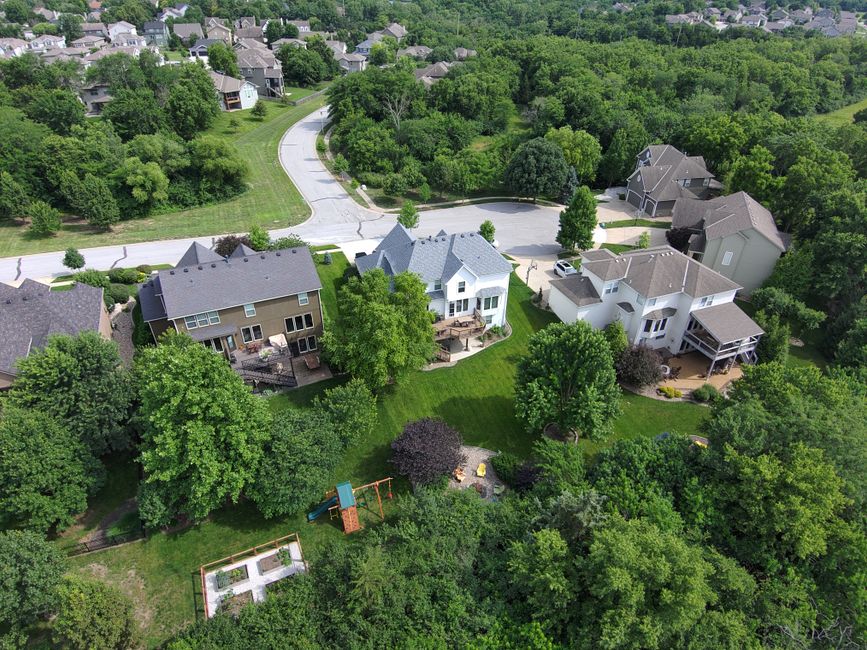
I showed up in Kansas City on a gray March afternoon with no retirement plans whatsoever, just a week to kill and a friend who'd moved here two years back. By day three, I was sitting in a coffee shop in Midtown listening to a couple in their late sixties debate whether they should finally pull the trigger on leaving California. They kept coming back to the same thing: the money would actually last here. That conversation stuck with me enough to come back and actually dig into what makes Kansas City work—or not work—for people trying to figure out their next chapter.
The city gets overlooked in retirement conversations. Florida and Arizona hog all the attention. But Kansas City has some legitimate advantages if you're not wed to palm trees and strip malls. The cost of living genuinely is lower. The healthcare network is solid. And unlike a lot of Sunbelt retirement spots, it actually has seasons, a downtown that people use, and neighborhoods where retirees aren't automatically ghettoized into age-restricted developments. That said, it's not perfect, and the winters are a thing you need to think about.
What Your Money Actually Buys Here
Housing costs in Kansas City run about 25–30% below the national average, depending on the neighborhood. A modest two-bedroom house in an established midtown area might go for $250,000 to $350,000. Nothing gaudy, but solid bones, often built in the '40s or '50s with actual basements and yards. Compare that to similar stock in Denver, Austin, or anywhere on the coasts, and you see the math immediately.
Utilities, groceries, and gas track close to national averages—nothing remarkable either way. Property taxes in Missouri are moderate; the state doesn't tax Social Security income or military pensions, which matters if that's part of your retirement picture. Income tax sits around 5.3% at the state level, which is not the lowest in the country but not punitive either. Just don't expect Kansas City to be some tax haven. It's middle-of-the-road, and that's the honest answer.
Here's what trips people up: If you're moving from a lower cost-of-living area already, or if you own property outright and are downsizing, Kansas City feels cheap. If you're coming from a place where your house was paid off in 1998 and worth $1.2 million, you're not going to feel like a millionaire buying a $300,000 craftsman bungalow. Reframe that conversation before you arrive.

Healthcare: A Real Strength
This is where Kansas City actually punches above its weight. The city sits within reach of three major medical centers, including Saint Luke's Hospital and University of Kansas Health System facilities. Cardiologists, orthopedic surgeons, rheumatologists—the specialist roster is deep. If you need serious medical care, you're not getting on a waiting list or driving three hours. That matters when you're 68 and need a knee replaced or when a health event happens and you need immediate access to top specialists.
Retirement years often mean more frequent doctor visits, more prescriptions, more imaging. The healthcare infrastructure here supports that without making you feel like a customer number. Mayo Clinic is a few hours north in Rochester if you need that referral option. Most importantly for budget-conscious retirees: the cost of healthcare services—routine visits, imaging, procedures—runs lower than coastal metros without sacrificing quality.
Four Seasons and What That Actually Means
Kansas City has winter. Real winter. January temperatures drop into the 20s and 30s, ice happens, and you'll deal with snow several times a season. Summer gets hot and humid—80s and 90s are common June through August. Spring and fall are genuinely pleasant, the kind of months that make people forget they're living in the Midwest.
If you hate winter, you should know that now. No amount of good healthcare or cheap housing fixes seasonal depression or arthritis flare-ups triggered by cold. Some retirees here winter in Arizona or Florida and keep a small place in Kansas City; others buy in and embrace it. The important thing is to visit in January, not just October. Talk to people who've been here a decade, not just newcomers high on the novelty. You either like seasons or you don't, and pretending you will is how people end up miserable with an underwater mortgage.
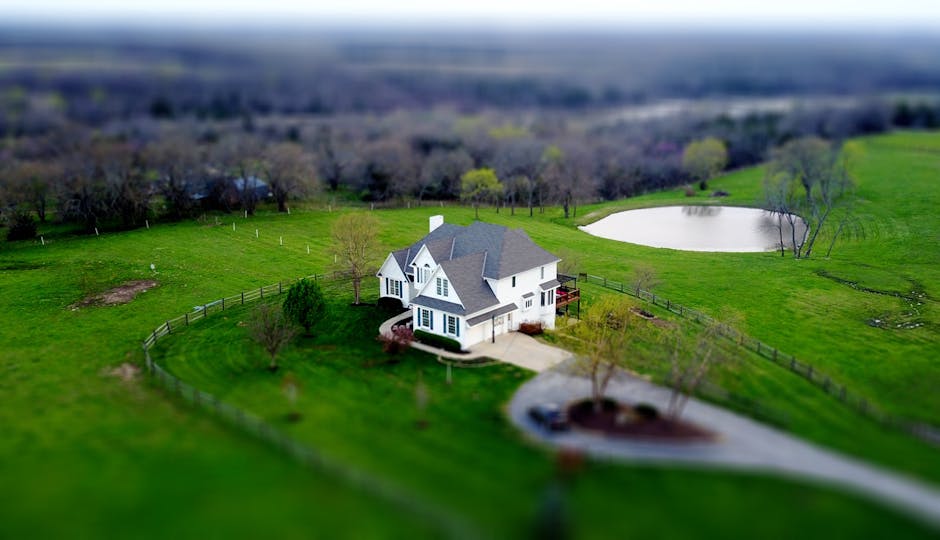
Midtown: Where Retirees Are Actually Using Downtown
Midtown has undergone a real transformation in the last fifteen years. It's not hipster-bait anymore; it's matured into a legitimate mixed-age neighborhood with restaurants, galleries, the Truman Medical Center campus, and enough foot traffic to feel alive without feeling chaotic. Retirees here tend to gravitate toward converted lofts or midcentury homes within walking distance of the Country Club Plaza or Westport. You've got grocery stores, pharmacies, good restaurants—the infrastructure that makes aging in place feel normal rather than isolating.
The neighborhood isn't cheap, exactly—you're looking at $300,000 to $450,000 for a solid property—but it punches above its weight in terms of walkability and community. You see couples in their 70s getting coffee, walking to galleries, eating out multiple times a week. That's different from a typical retirement community where everyone retreats to their home after 5 p.m.
Brookside and South Kansas City: Quiet and Established
If Midtown feels too buzzy, Brookside sits a few miles south with the same vintage charm at lower density. Tree-lined streets, bungalows from the early 1900s, good walkability to local shops and restaurants along Main Street. Property prices run $220,000 to $320,000 for similar stock. It attracts retirees who want community without crowds, who prefer knowing their neighbors without joining a condo board.
Further south, neighborhoods like Waldo and Roanoke offer even quieter terrain and lower prices—often $150,000 to $250,000 for livable houses—with trade-offs in walkability and amenities. You'll drive to restaurants and shops, but you also get more land, bigger yards, and the sense of actual neighborhood rather than urban village. These areas work well for retirees who want space and don't mind a car ride to find restaurants.
Lee's Summit: The Suburban Alternative
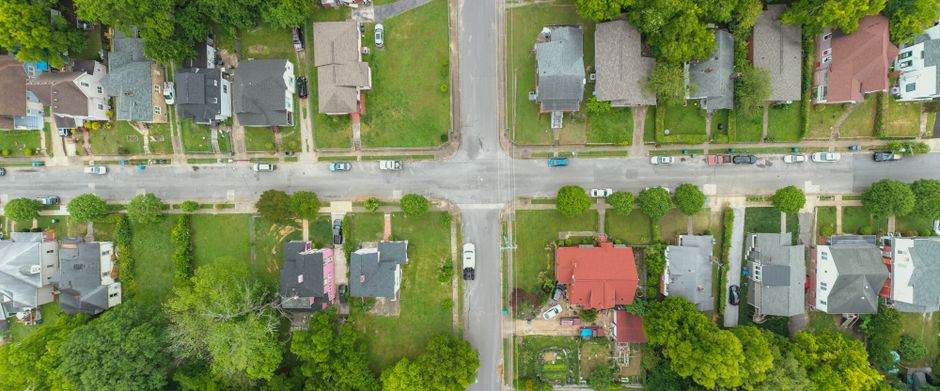
About twenty minutes southeast of downtown, Lee's Summit is where a lot of Kansas City's retirement conversation actually happens. It's incorporated, has its own downtown, lower overall cost of living than the city proper, and draws people who want small-town feel with big-city amenities nearby.
The tradeoff is car-dependency. You're not walking to coffee; you're driving. But if you don't care about that, Lee's Summit has good schools, low crime, active senior centers, and a genuinely pleasant town square. Housing runs $180,000 to $280,000 for decent properties. It's the option for people whose retirement checklist includes golf clubs, grandkids nearby, and a yard, not urban energy.
The Real Questions to Ask Before You Decide
Forget the standard retirement checklist. Here's what actually matters: Do you need to be around family, or are you running toward something new? Kansas City is okay if you're doing the latter; less ideal if your grandkids are in Philadelphia. Can you handle six months of non-beach weather? If you're the type who gets depressed watching snow fall, no amount of cheap housing makes up for that. What do you actually do with your time? Midtown works if you're into restaurants and galleries. Lee's Summit works if you're a golfer. A rural area outside the metro works if you want land and quiet. There is no universal answer.
Do your money math honestly. Factor in travel back home, healthcare that might exceed routine costs, the cost of winterizing a house or upgrading heating. Don't just compare median housing prices; rent or house-sit for two months in January. Talk to retirees who've been there at least three years, not just people who moved a year ago when everything felt new. Ask about property maintenance, property tax increases, healthcare experiences. The answers you get will matter more than anything in an article.
Frequently Asked Questions
Is Kansas City Missouri good for retirees
Kansas City offers retirees lower housing costs than most major metros, solid healthcare infrastructure, and four distinct seasons. Trade-offs include real winters, lower job market (relevant if you want part-time work), and less of a built-in retirement-community social structure than places like Arizona. Whether it works depends on your climate tolerance, proximity to family, and what you do with free time.
What is the cost of living in Kansas City Missouri for retirees
Housing costs run 25–30% below the national average. A modest house suitable for retirees ranges from $150,000 to $350,000 depending on neighborhood and condition. Utilities, groceries, and services align with national averages. Missouri doesn't tax Social Security or military pensions, and state income tax is about 5.3%, making Kansas City moderately tax-friendly compared to coastal states.
Does Kansas City Missouri have good healthcare for seniors
Yes. Kansas City has multiple major hospital systems including Saint Luke's and University of Kansas Health System with comprehensive specialist access. Routine care, procedures, and specialist services cost less than many major metros. Mayo Clinic in Rochester, Minnesota is a few hours north if advanced referrals are needed.
How cold does Kansas City get in winter
January temperatures typically range from the 20s to 30s Fahrenheit, with snow occurring several times per season and occasional ice storms. If you dislike winter and aren't comfortable with snow and cold, you should spend time in Kansas City during January before committing to a retirement move there.
Which neighborhood would you retire in?