
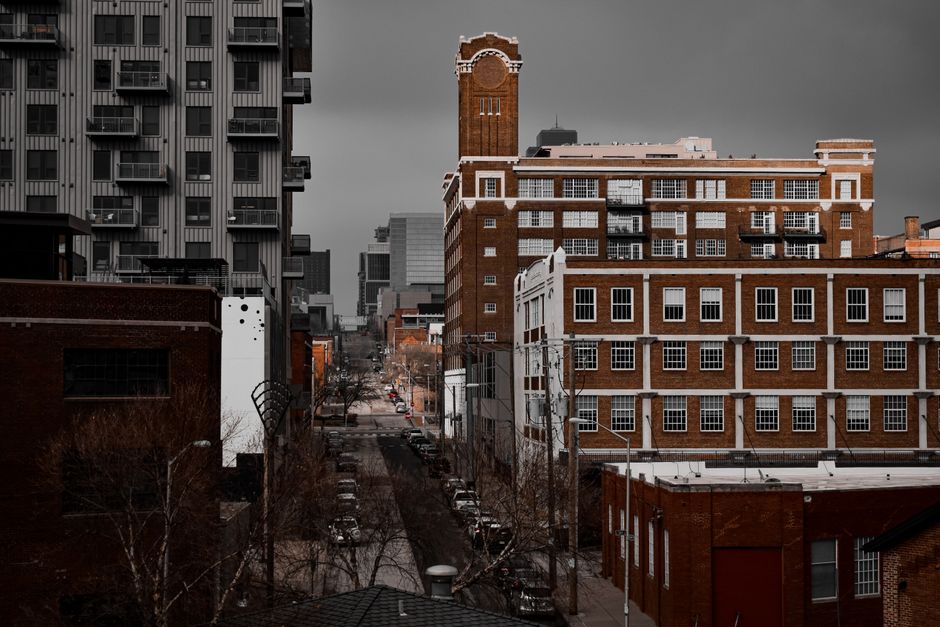
I rolled into Kansas City on a Friday afternoon, bags in tow, ready to walk the crossroads. The city has a real rhythm to it—Midtown's electric, the Crossroads is alive with galleries and restaurants, and the River Market hums with locals. But like any major Midwest city, Kansas City's geography matters. Where you go, when you go, and how you move around will shape your visit more than any crime statistic ever could. I've spent enough time here to know which blocks feel welcoming at noon and sketchy after dark, and which areas warrant nothing more than basic street sense.
The truth is that most solo travelers will have a totally fine time in Kansas City. The city's downtown core, entertainment districts, and well-traveled tourist zones are active and reasonably well-lit. But it's worth knowing the lay of the land, especially if you're moving around at odd hours or planning to explore beyond the main strips.
The East Side and Prospect Corridor: Exercise Judgment After Dark
The neighborhoods east of downtown—parts of the Prospect corridor and blocks closer to the state line—have experienced higher rates of property crime and street-level issues according to Kansas City Police Department data cited in local reporting. This isn't to say you'll be in danger every moment, but it's the area where you'll want to be most deliberate about timing and context.
If you're visiting someone or exploring for a specific reason, go during daylight. Don't walk alone at night, even if you've got your phone and your wits about you. Use a rideshare or taxi after dark. Some businesses in these areas are perfectly legitimate and worth visiting—but get there and back with purpose, not wanderlust. The same goes for walking back to a hotel or vehicle; a ten-minute stroll that seems fine at 7 p.m. feels different at midnight.

Downtown After Hours: Stick to Main Corridors
Downtown Kansas City proper—the immediate area around Power and Light District, 18th Street, and the plaza—is generally safe, especially on weekends when there's foot traffic and venue-goers everywhere. But some of the peripheral blocks a few streets over can feel desolate late at night, particularly mid-week. The lighting isn't always great, and there's less reason for people to be out.
If you're bar-hopping or catching a show, enjoy yourself, but stick to the main drags where there's energy and other people. If your hotel is a mile away and it's 2 a.m., call a car. It's not paranoia; it's just how cities work. The dozen dollars for a ride-share beats the anxiety of being alone on a quiet street at an odd hour.
Midtown, Crossroads, and Westport: Your Safe Bets
Midtown—anchored by the Plaza, University of Missouri-Kansas City, and the Country Club—is active, well-populated, and frankly one of the most walkable and pleasant parts of the city. Same goes for the Crossroads Arts District; it's been gentrified and revitalized to the point that galleries, restaurants, and breweries fill the blocks during the day and evening. Westport, the historic entertainment area, is busy and well-monitored, especially around the main commercial corridor.
You can walk around these areas solo during daylight and early evening without overthinking it. People are out, there are restaurants and coffee shops, and the vibe is what you'd expect from an urban neighborhood with foot traffic. Use the same street sense you would in any city—don't flash expensive gear, be aware of your surroundings, trust your gut—but you're not entering hostile territory.

Public Transit and Rideshare: When and How to Use Them
Kansas City's public transit system (KCATA) covers a lot of ground, but service is sparser than in bigger cities, and some routes run through less-developed areas where you might be the only person on the bus late at night. During the day, buses are fine; I've taken them without incident. After dark, especially if you're a solo traveler unfamiliar with the route, rideshare is smarter. It's a few extra dollars, but you're getting door-to-door service and a traced trip.
Rideshare—Uber, Lyft—works smoothly here and drivers are plentiful. The Airport to downtown is a standard route, well-traveled, and totally routine. If you're bar-crawling or catching a late show, this is how you end the night. Don't rely on walking "just a few blocks" back to your hotel after midnight, especially if you're in an unfamiliar part of town.
The Plaza and Upscale Neighborhoods: Very Safe for Solo Travelers
The Country Club Plaza area is affluent, well-maintained, and populated by shoppers, office workers, and residents with money invested in maintaining the area. It's clean, policed, and pleasant. If you're staying in this neighborhood or spending time here—shopping, eating, walking around—you can do it solo without concern. Same goes for nearby residential areas like Brookside and the surrounding tree-lined streets. These areas have the feel of a safe suburban pocket within the city.
Park yourself here if you want maximum comfort and minimum worry. The trade-off is that it's less gritty, less authentic in terms of local character, but if your priority is feeling secure while you move around, it's a strong choice.

Common-Sense Precautions That Actually Matter
Most of the safety advice you've heard before applies: don't leave your car unlocked or valuables visible. Don't walk around at night with earbuds in, distracted. Don't keep your phone out on the street for extended periods. Use hotel safes for passports and extra cash. Travel with copies of important documents separate from the originals.
If you're staying in an Airbnb or hotel in an unfamiliar neighborhood, ask the host or front desk about the immediate area. They'll tell you honestly whether it's safe to walk around at night or if you should use a car. Don't assume that because a place is on a map, it's somewhere you should stroll through at 1 a.m. Context is everything.
What Solo Travelers Actually Experience Here
I've talked to dozens of solo travelers who've spent time in Kansas City. The common thread: most stay in Midtown, the Plaza area, or near the crossroads, and they have unremarkable, pleasant visits. They walk around during the day without incident. They go to restaurants and bars without hassle. They take rideshares home. They don't feel like they're constantly watching over their shoulder.
The people who've had rough experiences or felt unsafe have typically either lingered in the less-developed east-side areas late at night, or they've been careless about basic urban safety. Kansas City isn't dangerous in the way that a few major U.S. cities are; it's just a city where geography and timing matter. Respect those variables and you'll be fine.
Bottom Line: Enjoy the City, Stay Aware
Kansas City is worth visiting solo. The food scene is excellent, the music history is real, the people are friendly. The barbecue alone justifies the trip. Just know which neighborhoods to focus on, move around deliberately after dark, and use rideshare when it makes sense. Don't let caution paralyze you, but don't be naive either. You can cover a lot of ground here during daylight, stay in one of the well-trafficked areas at night, and have exactly the kind of solo travel experience you're looking for.



