
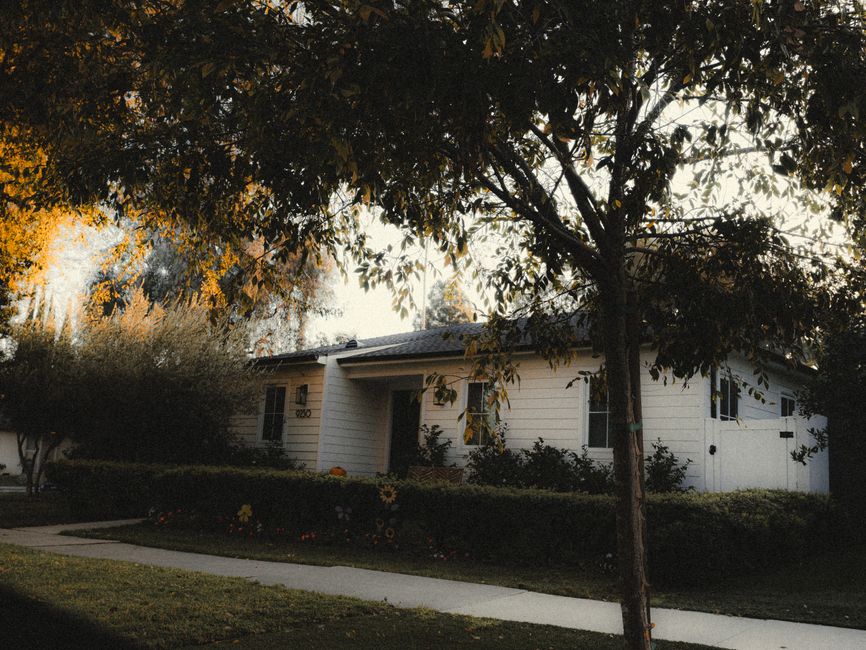
I arrived in Los Angeles on a February morning, sunshine already beating down at 8 a.m., and immediately understood why retirees move here. You can spend winters playing tennis outdoors instead of shoveling. But then I spent three days looking at rental listings, talked to a handful of people who'd actually retired here, and realized the question isn't whether LA's weather is great—it obviously is. The real question is whether you can afford it, whether your knees will forgive the hills, and whether you actually want to live in a sprawling, traffic-choked metropolis just because the sun never stops shining.
Los Angeles gets pitched to retirees constantly. The climate is legitimate. Healthcare is excellent. But the numbers matter, and so does the honest day-to-day reality of navigating a region that's less a city and more a collection of distinct communities separated by freeways. I spent time in a few neighborhoods that actually work for older residents—places that aren't just nice but practical—and talked through what life looks like here at 65, 70, or 80. This is what I found.
Cost of Living: The Real Monthly Number
Budget somewhere between $70,000 and $100,000 a year if you want to live comfortably in Los Angeles proper. That covers rent or mortgage in a decent neighborhood, utilities, food, healthcare copays, and occasional dinners out. You can do it cheaper, and plenty of retirees do—but you'll be in a less convenient location or dealing with older housing stock.
Rent for a one-bedroom apartment in a retiree-friendly area runs $2,000 to $3,500 monthly. If you're buying, you're looking at $800,000 to $1.5 million for a modest house in neighborhoods where retirees actually cluster. Property taxes in California are capped at 1% of assessed value, which sounds good until you realize the purchase price is already brutal. Homeowner's insurance, meanwhile, has gotten sharply more expensive across the state in recent years, and you should budget for that separately.
Groceries, gas, and dining out cost more than the national average. A decent dinner for two runs $60–$100 without trying. California sales tax sits at around 9–10% depending on your exact location. There's no state income tax advantage—California has one of the highest state income tax rates in the country, currently topping out at 13.3% on top of federal rates. If you're drawing from retirement accounts, that's something to seriously run past a tax advisor, not something I can tell you is universally bad or good.

Healthcare: World-Class Hospitals and Long Wait Times
Los Angeles has some of the best hospitals and medical facilities in the United States. Cedars-Sinai, UCLA Health, USC, Keck Hospital—these are genuine world-class institutions. If you need a specialist or advanced care, you're in the right place. Most retirees I spoke with cited this as a major reason for staying or moving here. The level of expertise available is real.
That said, getting an appointment can take weeks. Doctors' offices are often overbooked, and emergency rooms see significant volumes. If you're the type who needs frequent primary-care visits, you might find yourself frustrated by the lag time, even with good insurance. Medicare works fine in Los Angeles—the area has plenty of Medicare Advantage and Medigap providers—but you'll want to double-check that your preferred doctors are in-network before you commit. The region is competitive enough that healthcare billing can get complicated; have a good insurance advocate or be prepared to spend time on the phone.
Climate: 12 Months of Mild Doesn't Mean Problem-Free
The weather in Los Angeles is, genuinely, one of the best retirement selling points. You're looking at year-round temperatures in the 60s to low 80s, almost no rain from May through October, and sunshine roughly 260 days a year. If you've lived somewhere with brutal winters, you immediately feel the appeal. Your joints don't ache from cold. You can actually go outside in January.
But mild isn't zero-maintenance. Summer heat in parts of LA (particularly inland neighborhoods and the San Fernando Valley) can spike into the 90s or higher. Air conditioning is essential and adds to your utility bills. Wildfire season (roughly August through November) creates unhealthy air quality some years, which matters if you have respiratory issues. The coastal zones—places like Santa Monica or Long Beach—stay cooler and have better air, but they're even pricier. And don't underestimate the psychological toll of perpetual sunshine if you're someone who actually likes seasons. A few retirees I spoke with admitted they missed autumn and found the unchanging warmth slightly depressing after a while.
Pasadena: The Most Retiree-Friendly LA Neighborhood
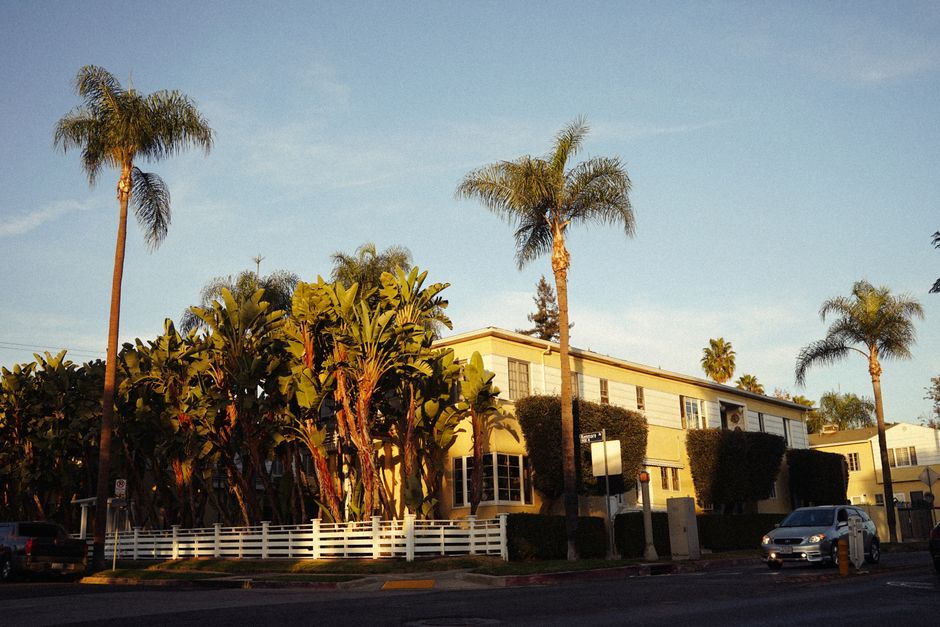
Pasadena sits just northeast of downtown LA, about 30 minutes away depending on traffic, and it's the LA-area town where I found the most cohesive retiree community. It has a real downtown with walkable shops and restaurants, plenty of cultural institutions (Norton Simon Museum, Huntington Library nearby), and a large cluster of active older residents. The community has organized itself around being accessible—there are senior centers, medical facilities, and neighborhoods like South Pasadena and Altadena adjacent if you want quieter, slightly cheaper streets.
Housing runs higher here than in outlying areas—you're looking at $1 million plus for a house, $2,500+ for a one-bedroom rental—but the payoff is you can actually run errands on foot, you'll see people your age regularly, and you're not isolated in a sprawling neighborhood where everything requires a car. The Rose Parade in January is free to watch from certain residential streets if that appeals to you. Winter Valley on the north side of Pasadena tends to be slightly more affordable than central Pasadena proper. The big caveat: Pasadena has hills. If mobility is already an issue, the topography can be frustrating.
Long Beach: City Life Without the Sprawl
Long Beach is technically part of Los Angeles County but feels and functions as its own city, about 25 miles south of downtown LA. It's got a waterfront, a revitalized downtown with restaurants and galleries, and—critically for retirees—a walkable core. The Belmont Shore area has a beach neighborhood feel without the Hollywood tourism chaos. Queen Mary Park offers recreation. The city buses are decent, and everything doesn't require a 15-minute freeway drive.
Cost of living is slightly lower than central LA but not dramatically so. You're still looking at $2,200–$3,200 for a one-bedroom rental and $900,000+ for a modest house. The air quality is better than inland because of the ocean breeze, though this also means higher humidity and cooler temperatures than other parts of LA—some people prefer it, others find it less appealing than the predictable sunshine of the Valley or central LA. Long Beach draws fewer retirees than Pasadena but appeals to people who want urban convenience without being in the Los Angeles maw. The port traffic means some occasional noise; the port area itself isn't particularly walkable or safe at night, but residential neighborhoods are quieter and stable.
Nearby Towns: Where Budget-Conscious Retirees Actually Go
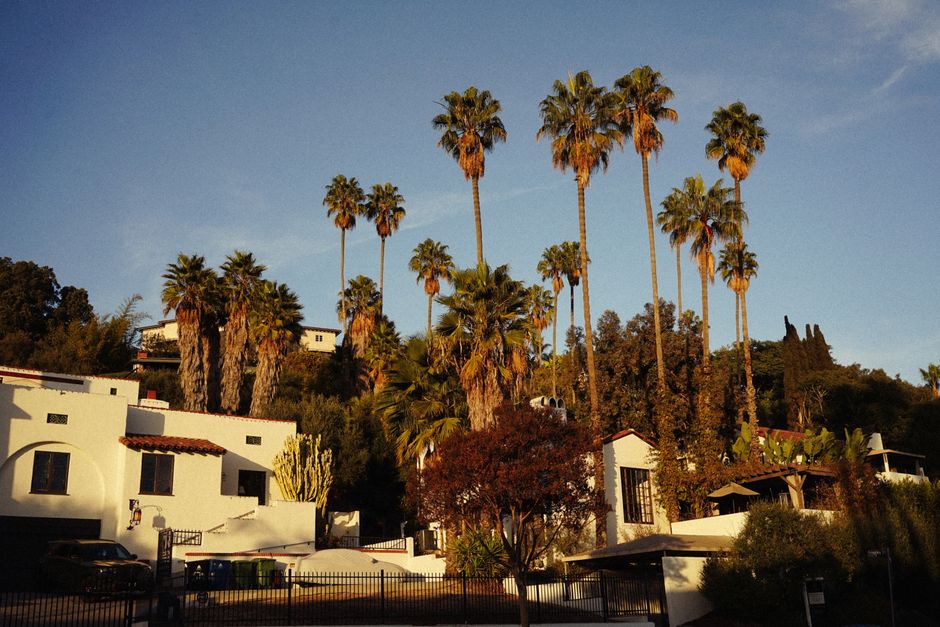
If you're priced out of LA proper, the edge towns matter. Ventura (about 70 miles northwest) has a beach community feel, lower housing costs than LA, and a charming downtown that's legitimately walkable. You're looking at $600,000–$900,000 for a house and $1,600–$2,400 for a decent rental. It's sunnier and has less traffic chaos, but it's definitely a smaller town—if you need constant access to specialized medical care or world-class culture, you're trading that away.
Santa Barbara, another 40 miles north of Ventura, is a genuinely beautiful town with excellent healthcare and a very high quality of life. The cost is accordingly high—$1.5 million to $3 million for a house—but not as insane as central LA, and the community has enough established retirees that you'll find social structures already in place. The drive to LA if you need specialized medical care is about 90 minutes. Ojai, an hour and a half north, is smaller still, very cheap by LA standards, but you're now deep enough into a small town that urban convenience is essentially gone. People retire to these places for the peace and the cost savings, not because they're LA adjacent.
Traffic, Driving, and Getting Around Without a Car
Los Angeles is built for cars, and this is a real factor in retirement planning. Most neighborhoods require one. Public transit exists—LA Metro covers the region—but it's slower and less comprehensive than comparable systems in San Francisco, Seattle, or the Northeast. This matters if driving becomes unsafe or impossible as you age. The good news: neighborhoods like Pasadena, Long Beach, and downtown LA cores have actual bus routes and some walkability. The bad news: most of LA does not.
Traffic here is a genuine daily reality. A 10-mile drive can take 20 minutes or 45 minutes depending on the time of day and which freeway you're on. If you're retired and flexible with timing, you avoid peak hours and it's less painful. But if you need to get to a medical appointment at a specific time, you'll want to build in a buffer. Some retirees eventually transition to not driving at all, relying on ride-shares and the few bus lines that work in their area—this is fine in Pasadena or Long Beach, frustrating in most of the Valley or the Westside.
Tax Considerations and Why You Should Talk to an Accountant
California's tax situation is legitimately complex for retirees, and I need to be clear that I'm describing the general landscape, not advising you. State income tax is high. Social Security is taxable under California law. If you're withdrawing from a traditional IRA or 401(k), that income gets taxed at state rates. Property tax is capped, which helps, but the Proposition 13 system also means your neighbors with similar homes might pay different amounts depending on when they bought. Capital gains get taxed, retirement account withdrawals get taxed, and everything is dependent on your specific income mix and filing status.
Some retirees structure their income specifically to manage California taxes, but this requires working with a CPA or tax advisor familiar with the state. A few people I spoke with actually moved here from out-of-state specifically because of tax planning that made sense for their situation; others said they should have left earlier for tax reasons. There's no universal answer. What matters is: don't assume California retirement tax planning is straightforward, and don't make a move decision without running the numbers with someone who knows the state tax code.
Frequently Asked Questions
how much do you need to retire in Los Angeles
Most retirees in Los Angeles budget $70,000 to $100,000 annually for comfortable living, covering rent or mortgage, utilities, food, healthcare, and discretionary spending. If you own your home outright, you might get by on $50,000–$60,000. Exact numbers depend on neighborhood (Pasadena and Long Beach cost more than outlying areas), housing status (renting vs. owning), and lifestyle. It's substantially higher than most U.S. retirement benchmarks.
is California a good state to retire in for taxes
California has high state income tax (up to 13.3%) and taxes Social Security and retirement account withdrawals, which makes it less tax-favorable than states with no income tax. However, property tax is capped at 1% of assessed value, which can offset costs if you own a home. Whether California makes tax sense depends entirely on your specific income sources and whether you plan to own property. You should consult a tax advisor before deciding.
what are the pros and cons of retiring in Los Angeles
Pros: excellent weather year-round, world-class hospitals and healthcare, no state income tax on retirement accounts (wait—actually California taxes most retirement income, scratch this), low earthquake risk outside certain areas, large retiree communities in some neighborhoods. Cons: very high cost of living, traffic and car dependency, California income taxes, air quality issues in some areas during wildfire season, limited public transit in most neighborhoods. It's excellent if you can afford it and want urban or semi-urban living; otherwise, nearby smaller towns may suit you better.



