
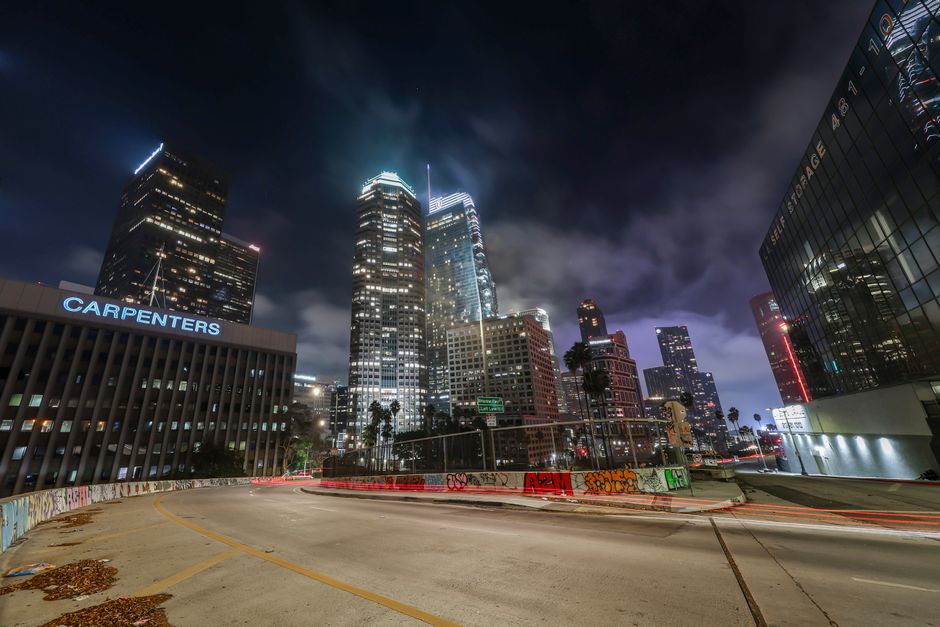
I landed at LAX on a Tuesday afternoon in March, and my first instinct was the same one I had fifteen years ago: Los Angeles isn't one city, it's a collection of cities held together by freeways and an aspiration to sunshine. The safety question isn't "is LA safe?" — it's "which LA are you in, and when?"
I've spent enough time here, both as a traveler and working odd hours as a news person, to know that the reputation for chaos is only partially earned. Yes, there are neighborhoods where you shouldn't linger after sunset. Yes, car theft is real. But I've also sat in coffee shops in Silver Lake, walked through DTLA at night without incident, and taken the Metro when it made sense. Most visitors stay safe by being deliberate about where they go and when.
This isn't a fear guide. It's a map of what actually happens here, built from police data, talking to locals, and my own time on these streets.
South and Central Los Angeles After Dark
The areas south of downtown and extending through Central LA have higher rates of property crime and some violent crime, according to LAPD data that gets published regularly. Neighborhoods like South Los Angeles, Inglewood (outside the immediate airport and stadium areas), and parts of Compton see more street-level incident reports than, say, Santa Monica or Pasadena. This isn't to say residents don't live full lives here — they do — but if you're a solo traveler unfamiliar with the city, nighttime walking isn't practical.
The daytime situation is different. If you're visiting friends, going to a specific destination, or taking a rideshare, you're usually fine. Stay in lit areas, be aware of your surroundings in the way you would in any unfamiliar neighborhood, and don't leave valuables visible in a parked car. Many of these neighborhoods have solid restaurants, museums, and cultural venues worth visiting during daylight hours. The precaution isn't a ban — it's a time-of-day adjustment.
After dark, use a rideshare or stay in well-trafficked commercial areas. The Metro Red Line does run through some of these zones, and it's generally safe during evening hours because there's foot traffic and LAPD presence, but solo travelers often feel more secure with a direct door-to-door ride.
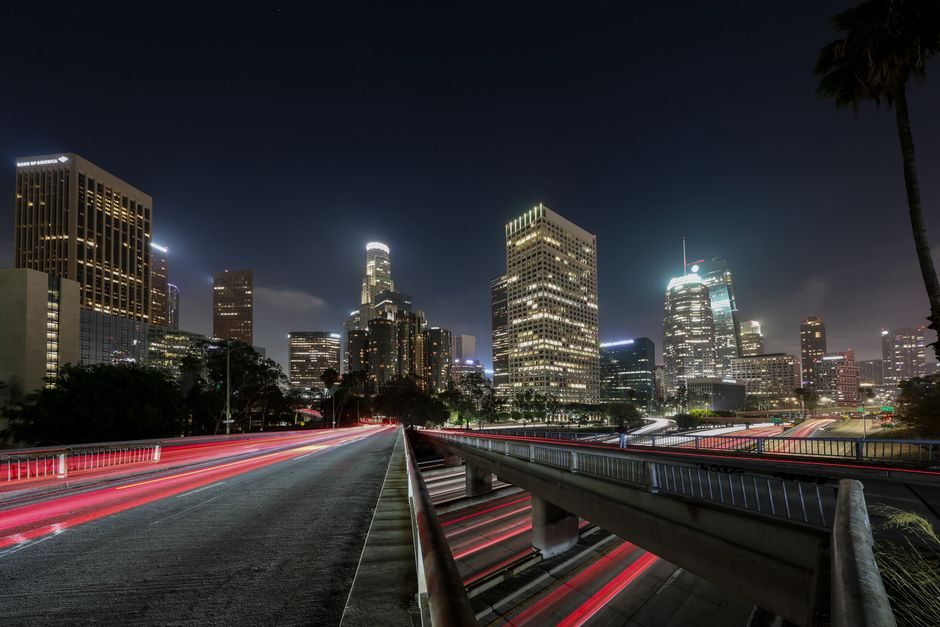
Downtown LA and Skid Row: What You'll Actually See
Downtown Los Angeles has revitalized significantly in the past ten years. The Arts District, the Fashion District during business hours, and areas around Grand Central Market are busy, monitored, and full of normal city activity. I've walked through here at night without trouble, though I'm cautious about route and aware of my surroundings.
Skid Row — the area roughly bounded by San Pedro, Main, 3rd, and 7th streets — is a different situation. It's home to a significant homeless population and open drug use. You'll see people in crisis, discarded needles, and aggressive panhandling. It's not a "dangerous" neighborhood in the sense of random muggings, but it's uncomfortable and disorienting if you're unprepared, and it's not somewhere to wander alone at night. During the day, it's slightly less severe, but still not a tourist destination.
The practical rule: stick to the Arts District and Grand Central Market in DTLA. If you end up near Skid Row (maybe taking a wrong turn off the Red Line), keep moving and trust your instinct. Locals in crisis are usually focused on survival, not targeting tourists, but it's still a place to avoid unnecessarily.
Hollywood, Koreatown, and Mid-City: Neighborhood Reality
Hollywood gets mixed reviews. The tourist corridor along Hollywood Boulevard itself — around the Walk of Fame and the Chinese Theatre — is heavily patrolled and busy enough that it feels safe during the day. At night, the street fills with transient people and petty theft (pickpocketing, phone snatching) does happen. I walked it at dusk once; it felt tolerable but not comfortable, and I wouldn't recommend lingering after dark.
The residential hills above Hollywood Boulevard are quiet and generally safe. The valley side of the Hollywood Hills feels different — it's suburban, quiet, and low-crime. If you're staying in Hollywood proper, head to quieter side streets or the Hollywood & Highland area, which has more mainstream foot traffic.
Koreatown is more complicated than its safety numbers suggest. It has pockets of gang activity historically documented in crime reports, but it's also a vibrant neighborhood with restaurants, karaoke, and shopping that pull crowds. I'd go during evening hours in groups or stick to busy commercial streets like Wilshire or 8th Avenue. Avoid walking alone late at night through residential blocks. The area isn't off-limits — it's just one where your timing and route matter.
Safe Neighborhoods for Solo Travelers
Santa Monica, Manhattan Beach, and other Westside beach communities are significantly safer, with lower overall crime rates and visible police presence. The Promenade in Santa Monica is busy and secure day or night. Venice Beach has a circus-like quality but it's actively policed and crowded enough that risk is low. I've walked the Venice Boardwalk at sunset without hesitation.
Pasadena, in the San Gabriel Valley, is probably the safest major area to navigate as a solo traveler. Downtown Pasadena has good lighting, foot traffic, and police presence. Old Pasadena is genuinely pleasant at night. The residential neighborhoods are quiet and low-crime. If you're nervous about LA generally, Pasadena is a reasonable home base.
Other solid choices: Brentwood, West Hollywood (it's actually safer than central Hollywood), Silver Lake (young, artsy, well-lit commercial areas), Los Feliz, and Long Beach's downtown waterfront. These aren't crime-free, but they're neighborhoods where solo travelers can move around during evening hours without excessive caution.
Car Safety and Parking
Car theft is genuinely LA's biggest property crime problem. Certain models (Honda Civics, Accords; Chevrolet trucks) get targeted regularly, and even with an alarm, having a car stolen isn't rare. Valuables left visible in a parked car will be taken. This happens in good neighborhoods too — it's not geography-specific, it's a car-specific risk.
If you're renting: use attended parking when possible, keep nothing visible, and park in well-lit lots or garages. If you're street parking, choose busy commercial areas over quiet residential streets. Don't leave keys in the car or in obvious hiding spots. Use valet if the cost is reasonable; it's insurance against this specific problem.
Using a rideshare to avoid parking altogether is honestly the best option for a solo traveler unfamiliar with the city. The cost is real, but it eliminates the car-theft risk and removes the navigation stress.
Public Transit and Getting Around at Night
The Metro Red Line is safe and runs until late evening through useful corridors. During rush hours and early evening, it's actively used and feels secure. Late night (after 10 p.m.), ridership drops significantly and it's less ideal for solo travelers. Buses follow similar patterns — they're generally fine during normal hours, sketchier very late.
The Metro Silver Line (bus rapid transit to LAX) and Gold Line (to Pasadena) are clean and relatively secure. The Blue Line runs through south LA and has reported incidents at certain stops — be aware if you're using it at night. Check the time, the ridership level, and trust your instinct. I've used the Red Line at 9 p.m. without problem; I wouldn't ride it at 11:30 p.m.
Walking to and from transit stops at night is the actual risk point. A well-lit commercial street with foot traffic, fine. A dark residential block to a bus stop, not recommended. Again: if you're not sure about the route or the neighborhood, a ten-dollar Uber is the correct choice.
Practical Precautions That Actually Work
Stay aware during daylight hours. Don't walk with expensive headphones visible; don't have your phone out while walking slowly through unfamiliar areas. Don't leave a laptop or bag visible in a car. This sounds like basic advice, but LA does have property crime, and it's often because something valuable is literally visible through a window.
Use rideshare for distances over a mile or routes you're unsure about. Yes, it adds up over a trip. It's still cheaper than a stolen phone or a bad experience. Ask the driver which neighborhoods to avoid in conversation — locals will tell you real-time issues that aren't in articles.
Trust the feeling. If a place or situation doesn't feel right, it probably isn't. LA is large enough that there's always another cafe, another bar, another route. Move on. The city rewards deliberate choices and penalizes carelessness, but carelessness is correctable. Most people visit LA without incident because they stay conscious of where they are and when.
Frequently Asked Questions
Is it safe to walk around Los Angeles at night alone
It depends entirely on the neighborhood. Beach areas like Santa Monica and Venice are fine; wealthy residential areas like Brentwood and Pasadena are safe; most commercial strips with foot traffic are manageable. Downtown LA, South LA, Central LA, and Hollywood Boulevard are better avoided after dark if you're alone and unfamiliar. A rideshare is the practical safety choice for traveling to unfamiliar areas at night. Many locals walk at night in their own neighborhoods confidently, but they know those neighborhoods.
What areas of Los Angeles should I avoid as a tourist
Skid Row downtown is generally something to skip unless you have specific context. South Los Angeles and Central LA have higher crime rates and aren't typical tourist destinations. Parts of Inglewood, though not uniformly dangerous, are better visited by car in daylight. Most tourist attractions (beaches, Hollywood, Griffith Observatory, DTLA Arts District) are fine with normal precautions. The real rule is less about where-to-avoid and more about when-to-go: daytime in neighborhoods is broadly safe; nighttime solo walking through unfamiliar areas is the genuine risk.
Are Los Angeles beaches safe at night for solo travelers
Santa Monica and Manhattan Beach are well-lit and patrolled and feel genuinely safe at night. Venice Beach is touristy and crowded even at evening hours, so it's fine. More isolated beach areas or late-night beach walks in quieter communities are less ideal if you're alone. Stick to the main, busy beach areas during evening hours. During the day, LA's beaches are as safe as any beach in the country.
Is it safe to use the Los Angeles Metro at night
The Metro Red Line and Gold Line are reasonably safe through early-to-mid evening, with active ridership and police presence. Very late at night (after 10-11 p.m.), ridership drops and it's less ideal for solo travelers. The Blue Line running through South LA has had reported safety issues at certain stops. Your real risk point is the walk to and from the station, particularly in dark or unfamiliar neighborhoods. Daylight Metro use throughout the city is fine.



