I rolled into Memphis on a humid afternoon in March, the kind of heat that hits you before you've even cleared the airport. I wasn't here for the blues clubs or the barbecue—though I definitely found both—but to figure out what it's actually like to live here full-time, especially if you're thinking about spending your retirement years in this city.
Memphis has been getting a lot of attention lately from people looking to move south without the eye-watering costs of Florida or the Carolinas. The river city has bones—history, culture, a real downtown that's genuinely reviving—but like any place, it's got tradeoffs. I spent time talking to people who'd already made the leap, visited the neighborhoods where they're settling, and looked hard at the practical stuff nobody gets excited about but everyone needs to know.
Cost of Living: Genuinely Affordable
Memphis is cheap. Not "surprisingly cheap for a mid-size city," but actually, legitimately cheap. A solid middle-class home in a decent neighborhood will run you $300K to $400K, sometimes less. Rental apartments hover around $1,000 to $1,400 for a one-bedroom depending on the area. Groceries, utilities, and gas track below the national average by a noticeable margin.
That affordability is real, and it's one of the main reasons retirees show up here. If you're on a fixed income, that matters. However—and I heard this from multiple people—some of that savings can evaporate if you need regular medical care or end up in a neighborhood where services feel thin. The cheap housing does sometimes reflect neighborhood quality, so you can't just chase the lowest price tag and assume everything else is fine.

Healthcare Access: A Strength, With Caveats
Memphis has solid medical infrastructure. The University of Tennessee Health Science Center, Baptist Memorial, and Methodist Le Bonheur are major players with decent reputations and specialists across most fields. If you need routine care, you'll find it. Pharmacies are plentiful, and there's no shortage of family medicine doctors taking new patients.
That said, this isn't a city drowning in geriatric specialists or boutique concierge-medicine practices. If you have complex health needs, you might travel to Nashville or fly out for specialized care. And like most of the mid-South, the pandemic created some staffing gaps that haven't fully closed. Talk to your doctor before you move. Verify their credentials are accepted at local hospitals. Don't assume because a place is a medical hub that every hospital network is equally good.
Weather and Climate: Hot and Humid, No Escaping It
Memphis summers are the real deal. June through September, you're looking at 85 to 95 degrees with humidity that makes air-conditioning non-negotiable, not optional. If you come from the Northeast or Mountain West, this will be an adjustment. The good news is winters are mild—you're not shoveling snow or dealing with ice very often. Maybe a couple of cold snaps a year. Spring and fall are genuinely pleasant, though spring can be tornado season in this part of Tennessee, and that's worth taking seriously.
I talked to a retired couple from Colorado who said the heat felt oppressive their first summer but that they'd adjusted by their second year, mostly by shifting when they were outside. They did more early-morning walks, stayed indoors during peak afternoon heat, and made road trips during the worst stretches. It's not a reason to discount Memphis—lots of people prefer mild winters—but it's not something to minimize either.

Taxes: Tennessee's Advantage Isn't Automatic
Tennessee has no state income tax. That's the headline, and it's true. No income tax on wages, retirement income, Social Security, or 401(k) distributions. For someone living entirely on Social Security and investment returns, that's a real benefit compared to states that tax retirement income.
But don't let that headline do all the work. Tennessee makes up tax revenue through sales tax (about 9.5% depending on the county) and property taxes. Sales tax is higher than many states, which adds up if you're buying regularly. Property taxes in Shelby County (where Memphis proper sits) are moderate but not negligible. If you're relocating specifically for tax reasons, talk to a CPA who knows Tennessee law. Tax optimizations depend entirely on where you're coming from and what your income mix looks like in retirement. It's a genuine advantage for some people and neutral-to-middling for others.
Downtown Memphis and Midtown: Urban Retirees, Walkability
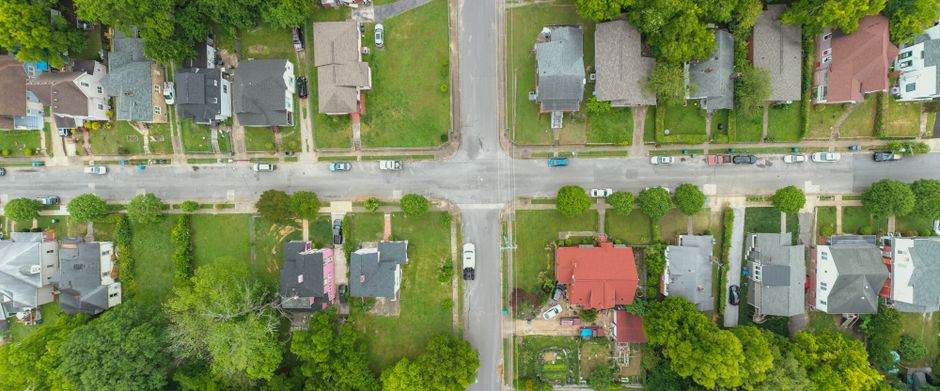
If you want an urban retirement, downtown Memphis is actually experiencing real momentum. The South Main neighborhood is genuinely walkable, with restaurants, galleries, and river access improving year over year. I walked the riverwalk on a Saturday morning and saw young professionals, families, and older couples. Real people, not just tourists.
Midtown—roughly around Cooper-Young and toward the universities—is younger and more energetic, with better restaurant density and a livelier bar scene. Rents here are higher than in quieter neighborhoods, but you're paying for walkability and community. Retirees who settle in these areas tend to be the "I want culture and foot traffic and a patio nearby" type rather than the "I want a quiet cul-de-sac" type. Both are legitimate choices; this is the place if you want the former.
Germantown and Collierville: Suburban and Quieter
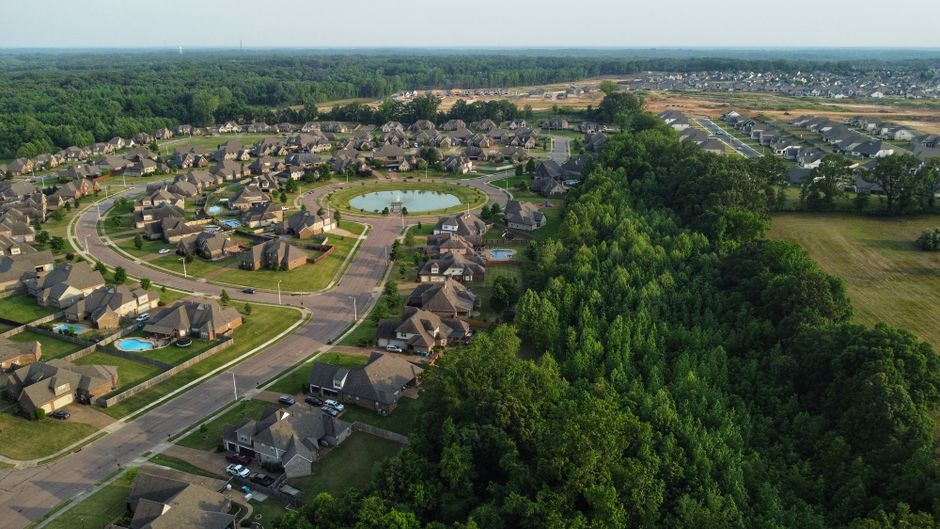
Just east of Memphis proper, these suburbs are where a lot of retirees actually land. Germantown especially has become a mini-boom town—newer construction, excellent schools (which matters if you're near grandkids), and a slightly more affluent feel than downtown Memphis. Chain restaurants and big-box retailers everywhere, but also generally good city services and lower crime stats.
Collierville, further east, is similar but with more of a small-town character. Both places have golf communities and age-restricted communities if that's your style. They're more expensive than Memphis itself—homes run $400K to $600K or more—but still cheaper than equivalent suburbs in Charlotte or Nashville. The tradeoff is that downtown culture is a 20-minute drive, so you're committing to a more car-dependent lifestyle.
Crime and Neighborhood Quality: Do Your Homework
Memphis has a complicated crime situation. Some neighborhoods are genuinely safe and stable; others have real problems. Unlike, say, Asheville or Knoxville, you can't assume the entire city is equal. You need to look at specific neighborhoods, talk to people who live there, and check crime maps yourself. Frayser, Orange Mound, and parts of South Memphis have struggled. But Midtown, downtown, East Memphis, and the suburbs are generally fine.
This isn't unique to Memphis, but it requires more diligence. Go visit the neighborhood you're considering at different times of day. Eat at the local restaurants. Ask about schools and services, even if you don't have kids. Talk to longtime residents. Don't just rely on internet comments or real-estate agent reassurances. A retired friend I met here said his biggest satisfaction came from choosing a neighborhood where he actually wanted to spend time, not just a cheaper property on the edge of town.
The Bottom Line
Memphis works for some retirees and isn't right for others. If you value affordability, mild winters, genuine history, and access to culture and food, it's worth a serious look. If you need top-tier specialized healthcare, prefer four-season climates, or require a high level of services in your immediate area, you might want to look elsewhere.
Spend a week here. Rent a place month-to-month if possible, or stay with friends. Sit in the neighborhoods you're considering during the summer heat and the mild winter. Visit a doctor's office and a hospital. Check out the grocery stores and pharmacies near where you might live. Talk to people who've already moved here. Memphis isn't hiding anything; it just requires you to do the work instead of making assumptions based on the city's reputation. If what you find feels right, the numbers make sense, and the pace of life matches what you want, it's a genuinely good place to settle down.