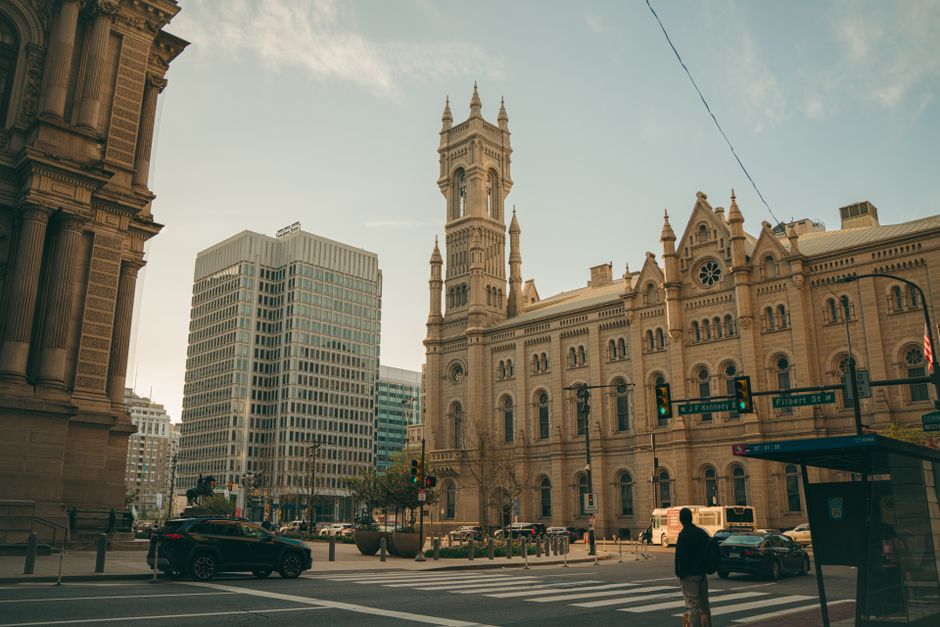
I landed in Memphis on a gray Tuesday afternoon and felt that familiar solo-traveler pinch: a mix of excitement and low-level wariness. The city's reputation precedes it—you hear about crime rates, you see warnings online. But I've been doing this long enough to know that reputation and reality don't always line up. Walking from the hotel toward Beale Street, past the Mississippi River gleaming under scaffolding, I realized I needed to separate the actual data from the narrative.
Memphis does have documented safety challenges. The FBI's crime statistics place it consistently among the higher-crime cities nationally. But that's the baseline stat everyone quotes without context. What matters for a solo traveler is understanding where those numbers cluster, when they tend to spike, and what actual people here do to move through the city safely. That's what I looked into over three days of walking, asking locals, and reviewing police reports.
Crime Patterns and Where They Actually Occur
The crime in Memphis isn't evenly distributed. That's both the bad news and the good news. Property crime and violent crime concentrate heavily in certain neighborhoods on the north and south sides of the city—areas you'd have no reason to visit as a tourist. The well-trafficked zones that most solo travelers use—Downtown, Midtown, the Pinch Historic District, Cooper-Young—experience far less violent crime than the city averages suggest.
That said, property crime (theft from cars, package theft, pickpocketing in crowded areas) happens more frequently in Downtown and along Beale Street than in many other parts of the country. It's the kind of thing you'd watch for in any major city, but worth being slightly more alert here. The police have a visible presence in tourist zones, especially evenings and weekends, which does register as a deterrent when you're actually walking around.

Downtown After Dark: Practical Timing
Downtown Memphis is genuinely pleasant during the day. Beale Street, Main Street, the riverfront—all walkable and busy with visitors and office workers between 9 a.m. and 5 or 6 p.m. I spent an afternoon just wandering, poking into shops, grabbing coffee. No issues.
Once the sun fully sets, the vibe shifts. The nightlife crowd picks up—bars get busy, live music venues fill up, and the streets remain reasonably populated until midnight or so. If you're going out to eat or hear music, stick to those hours and stay on the main commercial strips. The issue isn't a sudden danger level rise; it's that foot traffic thins out significantly after 1 a.m., and blocks that felt fine at 9 p.m. feel emptier and sketchier. I'd recommend the same rule I use anywhere: avoid solo walks on unfamiliar side streets after midnight. Use a rideshare or taxi instead. It costs eight bucks and saves you the mental energy of wondering if you're on the right block.
Neighborhoods Worth Knowing
Midtown is the safest bet for solo travelers. The Cooper-Young neighborhood especially feels actively gentrified and well-populated. You've got restaurants, bars, shops, people out at all hours. Plenty of solo diners at the coffee shops during the day. I felt entirely comfortable walking around there at 10 p.m., crossing streets at lights, keeping normal city awareness.
The Pinch (North Main) has that gritty-cool vibe—independent galleries, vintage shops, small bars with character. It's had real investment and resident energy over the past decade. Not fancy, but genuinely lively. The south side neighborhoods (Collierville, Germantown) are quieter, more residential, and very safe, though they're less interesting for short-term visitors.
Downtown proper is the trade-off zone. Tourist-friendly and active during business and evening hours, but it empties out and feels less inviting once late night hits. I wouldn't hesitate to walk around during the day or early evening. For after-hours, rideshare is the move.

Transit, Walking, and Smart Movement
Memphis's public transit (MATA buses) works fine during regular hours. The system is slower than what you'd find in major cities, and I wouldn't describe it as especially comfortable late at night, but it runs. Routes 1 and 50 connect main tourist areas fairly reliably. Real talk: as a solo traveler, rideshare (Uber, Lyft) is probably your best bet unless you're extremely comfortable with public transit systems. It's not expensive, and it eliminates the decision fatigue of figuring out which bus goes where at 9 p.m.
Walking during daylight and early evening? Go for it. Downtown to Midtown is maybe 20 minutes on foot if you take a direct route. Stay on main streets—Second Street, Main Street, Poplar Avenue. Don't cut through empty parking lots or unlit side streets. It's basic urban common sense, but it matters more here than in, say, Nashville or New Orleans, where there's more ambient street life at all hours.
Rent a car if you're comfortable driving and want flexibility. The roads are straightforward, parking is readily available outside tourist zones, and it removes the complexity of navigating transit. Just watch your vehicle—don't leave valuables visible in the car, and use paid lots or hotel parking rather than street parking in certain areas.
Street-Level Caution and Real Risks
The most likely inconvenience you'll face is street-level panhandling, especially around Beale Street and major intersections in Downtown. It's more aggressive in Memphis than I've seen in similar-sized cities. The standard approach works: headphones in, a polite "no thanks" if someone asks, don't engage in extended conversation. Not because there's immediate danger, but because you'll get approached multiple times and you'll want a quick exit.
Theft from vehicles and hotel rooms does occur more frequently here than in other U.S. tourist destinations. Keep your car locked and empty-looking. Keep valuables in your hotel safe or on you. Don't leave a phone or wallet on a restaurant table.
Stay away from the area immediately north of Downtown (mainly North Parkway and the neighborhoods beyond)—that's not a tourist zone and has documented higher crime. Ditto for areas east of I-240 in certain south Memphis neighborhoods. You won't accidentally wander there; you'd have to drive or deliberately go looking.

What Locals Actually Do
I spent an evening at a neighborhood bar in Midtown with a mix of longtime residents and newcomers. The vibe wasn't fearful, but it was aware. People were going out, working downtown, attending events. They just had rhythms: moving in groups after dark if they were going out, taking rideshare if it was late, avoiding certain areas entirely. No one suggested Memphis was dangerous for visitors who paid basic attention. One woman who'd lived here eight years said she's more careful than she would be in a smaller city, but not terrified. That felt honest.
The most useful takeaway: solo travel in Memphis works fine if you're comfortable with general urban awareness and don't stay out alone on random blocks at 2 a.m. You'll have a good time, the music's excellent, the food is solid, and the people are generally friendly once you get past the initial downtown chaos.
Practical Checklist for Solo Travelers
Use hotel safe or keep valuables with you. Don't leave the car empty-looking or parked on sketchy streets. Stick to downtown and Midtown main areas during the day and early evening without worry. After dark, use rideshare if you're exploring unfamiliar blocks. Stay off Beale Street well past midnight if you're alone—that's more about the drunk-crowd chaos than crime, honestly. Keep your phone charged and know your hotel address. Take a police-escorted tour if you want structured information from locals in uniform; the tourism board can point you toward them.