I rolled into Nashville on a Tuesday morning with the kind of question a lot of people my age are starting to ask: could I actually live here, not just visit? The city's been booming for years—young people chasing music careers, remote workers fleeing coasts, families looking for space. But what about people looking to retire? That's a different calculation altogether.
Spending a few weeks here talking to retirees already settled in, touring neighborhoods, checking out medical facilities, and doing the unglamorous work of comparing tax rates and grocery prices, I've come away with a clearer picture. Nashville isn't a no-brainer for retirement, but it's also not a bad call if you know what you're walking into.
Cost of Living: More Affordable Than the Coasts, But Rising Fast
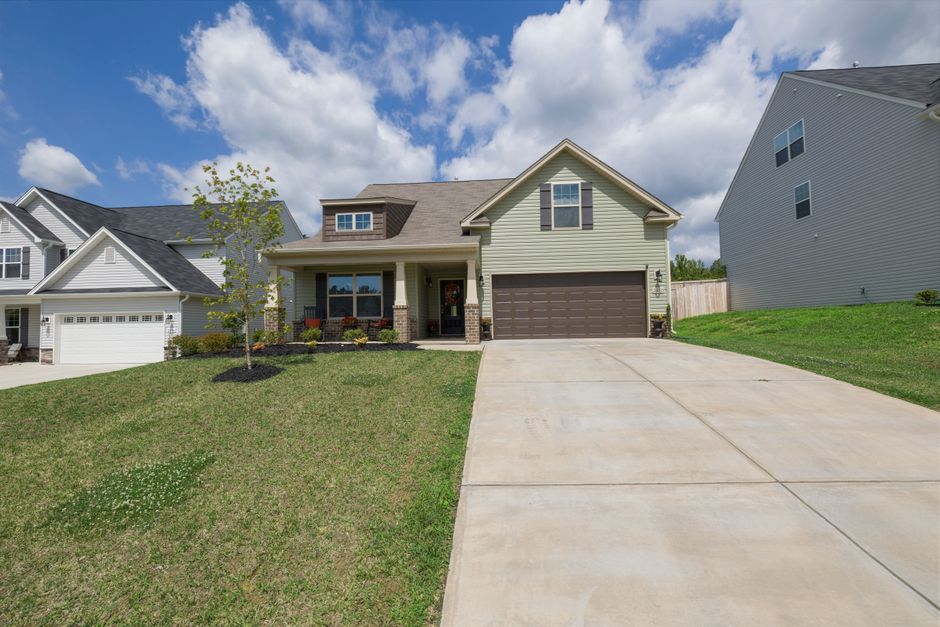
Nashville's housing costs have climbed noticeably in the past five years. When I looked at median home prices in desirable neighborhoods, I found them sitting well above $400,000 in popular spots. Rentals are easier on the wallet if that's your preference—you can find one-bedroom apartments downtown or in trendy areas like East Nashville in the $1,200-$1,500 range, though quieter neighborhoods run cheaper.
Beyond housing, everyday expenses feel reasonable. Groceries, dining out, utilities—nothing shocked me when I tallied a week's spending. Property taxes in Tennessee average around 0.7% of home value, which is on the low side nationally. That said, Nashville proper sits in Davidson County, and the metro area's popularity means prices in some neighborhoods are approaching mid-size sunbelt city levels. If you're strictly budget-conscious, you might look at neighborhoods a bit farther out or smaller towns nearby that still have decent services.
The real cost creep comes from the city's growth. Neighborhoods that were affordable three years ago aren't anymore. If retirement means watching your purchasing power stretch further, you'll want to be realistic about which parts of the metro you're considering.

Healthcare: Growing Infrastructure, But Plan Ahead
Nashville's healthcare network has expanded considerably. Vanderbilt University Medical Center is a major academic medical center that serves as the region's tertiary care hub, and HCA Tennessee and other hospital systems maintain facilities throughout the area. When I visited a few clinics and spoke with older residents, the consensus was that if you need routine care or have common conditions, you'll find competent providers. Getting specialist appointments sometimes takes longer than in larger metros, but it's manageable.
What matters for retirement is proximity to care you'll actually use. If you're choosing a neighborhood, know that some areas have better walk-in clinic and urgent care coverage than others. Medicare is accepted widely. Medicaid expansion happened in Tennessee, though it's worth checking the current landscape before moving. A few retirees I met mentioned driving out to Nashville for specialized care from smaller towns in the region, so distance from your preferred hospital or doctors should factor into your neighborhood choice.
Tennessee Taxes: No State Income Tax, But Know the Full Picture
This is the headline that draws people: Tennessee has no state income tax. If you're living on investment income, Social Security, or a pension, that saves you real money compared to most states. It's worth considering, especially if retirement income is substantial.
But don't let that headline run the whole conversation. Tennessee's sales tax is 9.55% statewide (before any local add-ons), and Nashville's combined rate approaches 9.6%. Property taxes exist and vary slightly by county. Estate and gift taxes aren't a state concern here, which appeals to people with significant assets. For most retirees living on moderate income, the no-income-tax advantage is real but not a total game-changer—you're still paying sales tax on most purchases. Talk to an accountant or financial advisor about your specific situation before making the move based on taxes alone.
Weather: Humid Summers, Mild Winters, and Occasional Storms
Nashville summers are hot and humid. July and August regularly hit the low 90s, and the humidity makes it feel worse. If you're someone who escapes north or to the mountains during summer, you'll probably do that from Nashville too. There's no year-round mild climate here like you'd find in parts of Arizona or the Carolinas.
Winters are genuinely mild compared to the north, but they're not warm. You'll see temperatures dip below freezing, ice storms happen occasionally, and you'll need a coat. Spring and fall are genuinely pleasant, which makes up for the extremes on either end. Tornado risk exists in Tennessee, as it does throughout the mid-South—not a deal-breaker, but worth acknowledging. If you're moving from the Deep South or Texas, the humidity will feel similar. If you're coming from a dry climate, it'll take adjustment.
Germantown: Walkable, Historic, and Close to Everything
Germantown sits just north of downtown Nashville—close enough that you can walk or bike to restaurants and shops, far enough to feel residential. It's the oldest suburb in Nashville, with tree-lined streets and a lot of character. The neighborhood has attracted retirees specifically because of walkability and proximity to services without the noise of downtown proper.
Housing prices here are on the higher end for Nashville, but you're paying for established infrastructure and the fact that everything feels older and more established than the sprawling newer neighborhoods. If you're someone who doesn't want to drive for groceries or a doctor's appointment, Germantown checks boxes. The downside is that popularity has driven prices up, and the neighborhood's appeal to younger professionals means it's increasingly mixed-age. Still, several retirees I met had settled here intentionally for exactly those reasons—being in the city without living in the thick of it.

Green Hills and Belle Meade: Established Wealth, High Prices
Green Hills and Belle Meade are Nashville's upscale neighborhoods, south of downtown. If you have significant retirement savings and are comfortable with higher housing costs, they offer manicured properties, good schools (if grandchildren visit), and a stable, established feel. Both neighborhoods have been desirable for decades, so the infrastructure is mature—medical offices, pharmacies, grocery stores are abundant and well-established.
You're paying substantially for this stability. Homes here regularly exceed $500,000, and property taxes, while low compared to northern states, still add up in dollar terms on expensive properties. These neighborhoods work if you're coming into retirement with either substantial wealth or a significant pension and want a known quantity. Several retirees I spoke with had moved here from other states with similar neighborhoods and appreciated the continuity of lifestyle.
Franklin: Nearby Small-City Feel With Growing Services
Franklin sits about 25 miles south of Nashville—close enough for a regular drive, far enough to feel distinctly different. It's a small city with its own downtown, historic character, and a genuine community feel. Housing prices are lower than central Nashville neighborhoods, and the pace of life is slower.
The trade-off is that driving to major medical facilities or specialized care in Nashville takes a while. If you're in robust health and content with local primary care, it's not a major issue. If you're managing multiple health conditions, regular trips north might get old. Franklin's been growing, which means some of the small-town peace is eroding, but it's still a legitimate option for retirees wanting lower housing costs and a tighter community while staying close enough to Nashville's resources. Several retirees I met preferred Franklin specifically because they wanted to step back from Nashville's pace but weren't ready to move three hours away.
The Bottom Line: Right for Some, Not for Everyone
Nashville works well for retirees who value access to a mid-size city with cultural amenities, don't mind humidity and occasional severe weather, and appreciate lower property tax rates. If you're moving from a high-income-tax state or want a lower cost of living than coastal metros, it makes sense to seriously consider.
It's less ideal if you need world-class specialized medical care nearby, demand year-round mild weather, or are on a very tight fixed income—prices have risen enough that housing alone consumes a significant portion of modest retirement budgets in desirable neighborhoods. The best approach is to rent for a few months first, actually experience summer and winter, and see whether the pace and culture fit who you've become, not just who you were when you worked.