I rolled into Nashville on a Thursday evening last spring, guitar music spilling out of honky-tonks on Broadway, and felt that familiar solo-traveler buzz—equal parts excitement and the low-level awareness that comes with being alone in an unfamiliar city. Nashville's got a reputation as a friendly, music-soaked destination, and that's mostly earned. But like any mid-size American city with real neighborhoods beyond the tourist corridor, it's got pockets where you need to keep your wits about you.
The good news: most of Nashville is absolutely fine. The historic districts, the music venues, the restaurants, the parks—I moved through them without incident, and thousands of solo travelers do the same every month. The better news is that the sketchy areas are fairly identifiable and mostly avoidable if you're paying basic attention. I've talked to enough locals and spent enough time walking around to give you the honest breakdown.
The Broadway Corridor and Downtown: Safe, Busy, Crowded
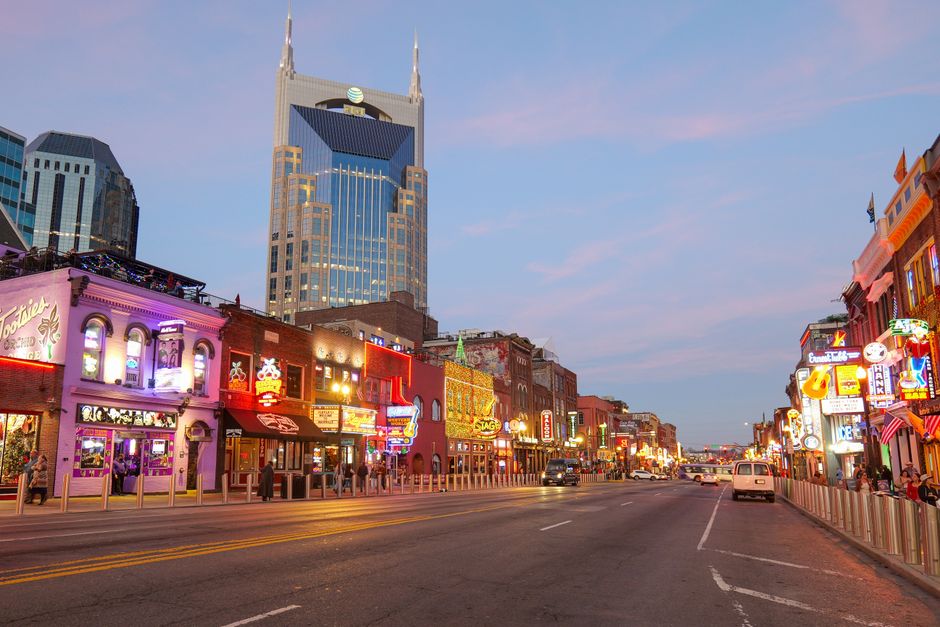
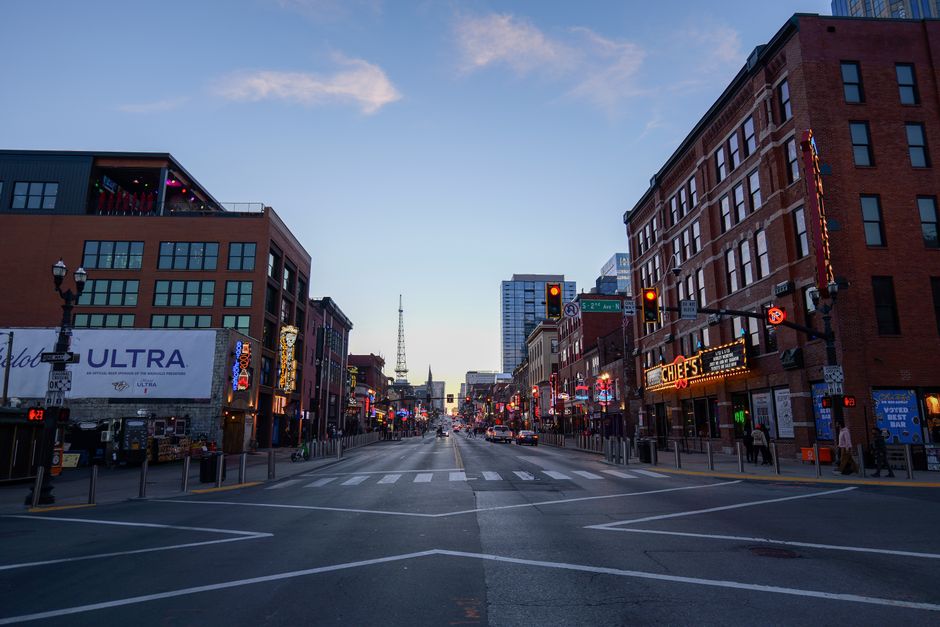
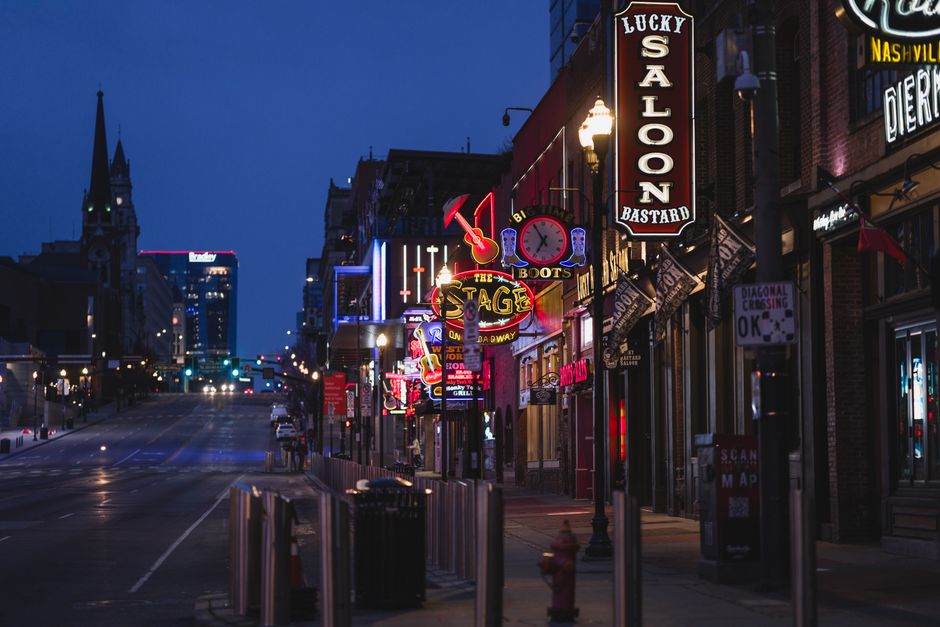
Broadway itself—the heart of the honky-tonk district—is one of the safest areas you'll find in Nashville, which might seem counterintuitive given how packed it gets. The reason is simple: cops are everywhere, foot traffic is constant from dawn through midnight, and the whole strip is designed around tourism dollars. I walked it alone at 11 p.m. without hesitation.
The real issue on Broadway isn't crime; it's the sheer volume of drunk people and aggressive panhandling. You'll be approached repeatedly for money, and occasionally someone's aggression will cross into uncomfortable territory. It's manageable if you wear headphones, keep moving, and have a practiced "no thanks" response. The tourist traps are expensive and mediocre, but safe.
Downtown proper—the residential and office blocks a few streets over—is similarly well-policed and reasonably walkable during the day and early evening. After dark, I'd stick to well-lit routes or use a rideshare. That's not fear-based advice; it's just sensible city walking.
East Nashville: Gentrified but Still Uneven
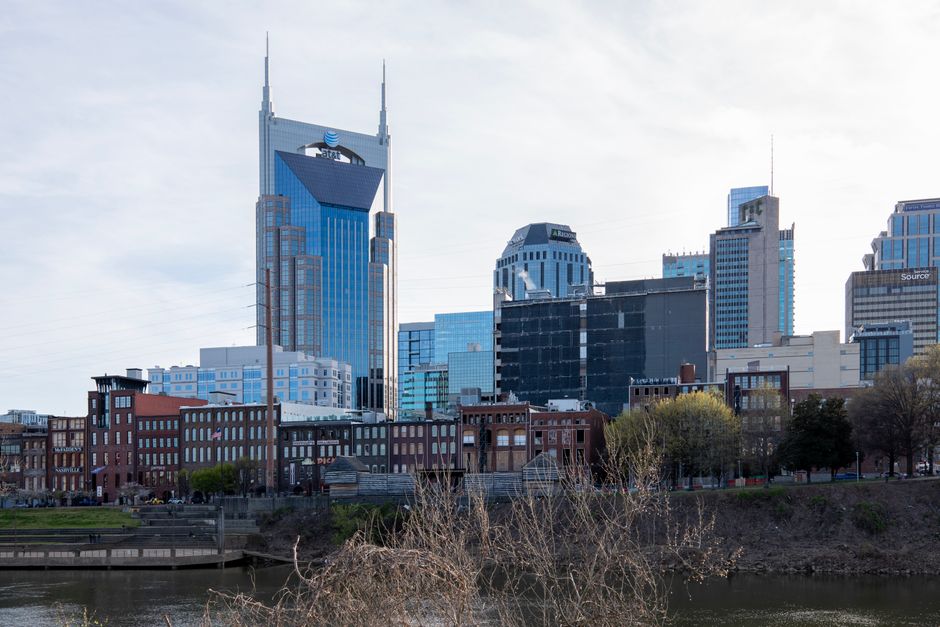
East Nashville has undergone massive gentrification over the past decade, and most of it now reads as young, hip, and safe. Main Street, the Gallery Crawl area, and the restaurant row around Five Points are vibrant and populated. I felt fine walking around during the day and early evening. The vintage shops, the breweries, the murals—it's the kind of neighborhood that attracts solo travelers specifically because it feels walkable and interesting.
That said, East Nashville still has residential blocks that are less developed, less foot traffic, and less policed. If you're exploring beyond the main commercial drags after dark, you should use rideshare instead of walking. During daylight hours, stick to main streets and you're fine. The neighborhood's trajectory is toward more development and safety, but it's not uniform yet.
Areas to Avoid or Move Through Cautiously
There are a few neighborhoods that residents and police cite consistently for higher property crime and occasional violent crime: parts of North Nashville, certain stretches of Dickerson Pike, and some blocks in South Nashville. These aren't war zones. People live there. But as a solo traveler, there's no real reason to go there. They're not on the tourism circuit, they don't have restaurants or attractions that would draw you in, and the risk-to-reward calculus just doesn't work.
If you find yourself in an unfamiliar neighborhood, especially after dark, trust your gut. Are there people around? Is it well-lit? Can you see a clear route back to a main street? If the answer to any of those is no, don't wander. Use Google Maps, call a rideshare, ask a local. There's no shame in it, and it's smarter than testing your luck.
I'd also avoid the immediate areas around some of the larger homeless encampments, particularly under certain highway overpasses. Homelessness in Nashville is a real issue, and while most unhoused people are not a threat, there's more unpredictability in those zones. It's another reason to rely on rideshare after dark rather than assuming every street is equally walkable.
Time of Day Matters More Than You'd Think
The same street in Nashville can feel totally different at 2 p.m. versus 11 p.m. I'm not suggesting the city becomes a no-go zone after sunset—plenty of people are out, and plenty of neighborhoods are fine. But your margin for error shrinks. A slightly sketchy block you'd pass through without a second thought in daylight becomes somewhere you should avoid on foot at night.
Solo female travelers, in particular, should adjust behavior based on time and context. I've talked to women who felt completely comfortable walking Broadway at 10 p.m. because of the crowds and police presence, but wouldn't walk quiet residential streets alone after dark. That's not paranoia. That's experience. Men should apply similar logic, honestly. A man alone at 2 a.m. in an unfamiliar area is still vulnerable.
The practical rule: if you're out past 10 p.m., especially if you're drinking, use a rideshare or taxi. It's cheaper than regret, and it's the default assumption I've seen among Nashville travelers who've been there more than once.
Transit, Rideshare, and Getting Around Safely
Nashville's public transit (MTA buses) is functional but not comprehensive. The buses are reasonably safe, used by locals, and run on predictable schedules. During the day, solo travelers use them without issue. At night, be aware of your surroundings, stay alert, and try not to be the only person on a bus if you can avoid it.
Rideshare—Uber, Lyft—is ubiquitous here and honestly the smart play after dark or if you're tired. Nashville's a sprawling city with long blocks, and you can't assume everywhere is walkable between points. Use rideshare. It's not expensive by regional standards, and it removes a whole category of risk.
If you're renting a car, standard urban precautions apply: lock the doors, don't leave valuables visible, park in lit areas. Nashville has car break-ins like most cities; it's not a major epidemic, but it happens. Don't advertise your tourist status by leaving a rental car loaded with camera gear and suitcases visible.
Street Smarts: The Real Precautions
Most of Nashville safety boils down to not being an obvious target. Don't flash expensive jewelry, don't walk around staring at your phone at night, don't leave your drink unattended at bars, don't accept rides from strangers, and don't assume that because somewhere looks nice during the day it's equally safe at 1 a.m. These aren't Nashville-specific rules; they're universal solo-travel common sense.
Keep copies of important documents separate from originals. Use hotel safes or keep valuables on you rather than in checked bags or left unattended. Be skeptical of people who approach you aggressively asking for money or claiming to be local tour guides. Most people you meet will be friendly—Nashvillians are generally warm—but the exceptions exist.
Tell someone where you're going, especially if you're meeting someone from an app or website. Stick to groups or well-lit areas for dates or meetups. These sound paranoid until the moment they save you.
The Bottom Line: Nashville Is Mostly Fine
I'm going to be straight with you: I felt safer walking around most of Nashville than I have in equivalently-sized cities in other parts of the country. The tourist areas are heavily policed and crowded. The neighborhoods where young people live and work are gentrifying rapidly and thus increasingly safe. The real rough patches exist, but they're avoidable.
Solo travel in Nashville works. Thousands of people do it every year without incident. The music scene draws solo visitors specifically. The neighborhoods are interesting enough to explore. Just apply basic city awareness, avoid obvious pitfalls, and use rideshare when it makes sense. Stay in central or East Nashville, stick to main streets after dark, and don't wander into areas that don't feel right.
Nashville's a good city. Treat it like a good city—with respect and normal precautions—and you'll have an excellent time.