I arrived in Nashville on a gray February morning expecting honky-tonks and tourist crowds. What struck me instead was the sheer number of people who seemed to actually live here—not just pass through. Sitting in a coffee shop in Germantown, I kept overhearing retirees at neighboring tables talking about property taxes and which cardiologist they'd switched to. That's when I realized this city has quietly become a retirement magnet, and it wasn't an accident.
Nashville's appeal to people leaving northern winters or expensive coastal cities is real, but it's more complicated than cheap housing and good barbecue. The city's boomed in the last decade, which has changed the math considerably. If you're thinking about hanging up your work shoes here, you need to look past the marketing and understand what you'd actually be dealing with.
The Cost of Living Reality
Nashville is no longer the bargain it was ten years ago. Housing prices have climbed steadily, especially in walkable neighborhoods closer to downtown or near The Gulch. If you're shopping for a house, expect to pay significantly more than you would in, say, Memphis or Knoxville, but still less than you'd find in most major metros. Rental costs have spiked too, though long-term rentals tend to be more stable than short-term vacation properties.
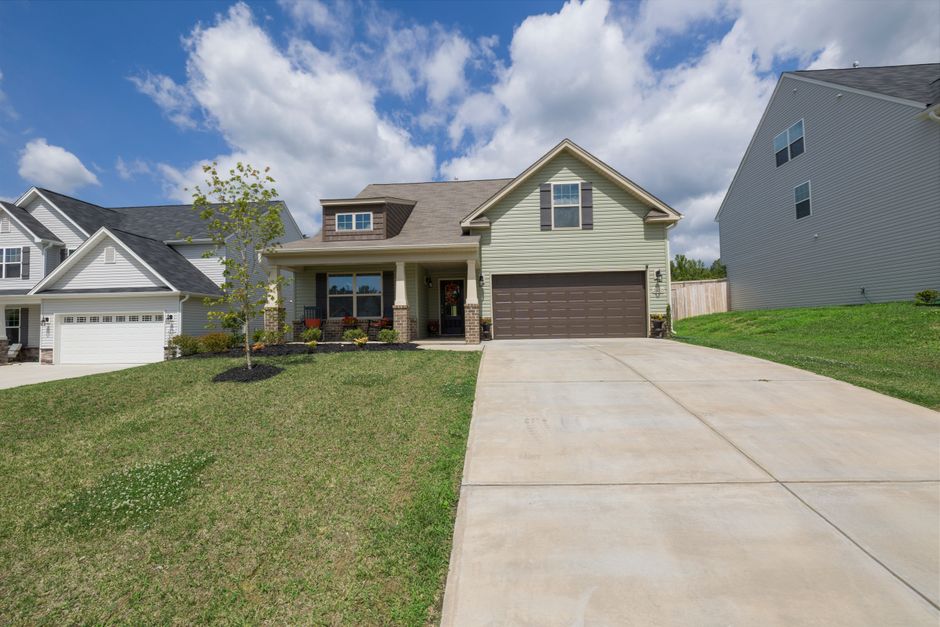
Groceries and utilities run about average for a mid-sized city. Your biggest variable is going to be where you want to live. A modest home in Brentwood—popular with retirees who don't mind commuting to see grandkids—might run you $400,000 to $500,000 or more. Something comparable in Gallatin, thirty minutes north, could be $100,000 cheaper. That difference compounds over a fixed retirement income.
One thing that genuinely helps: Tennessee has no state income tax. That's significant if you're living on investment income or a pension, though Social Security and certain retirement accounts have nuances worth discussing with an accountant. Property taxes are moderate compared to northern states, and sales tax is higher to compensate—something to factor into your spending patterns.
Healthcare and Medical Access
Nashville has solid medical infrastructure. Vanderbilt University Medical Center is one of the South's premier academic hospitals, and HCA HealthCare (headquartered here) operates multiple facilities around the metro area. For most common issues, access is good, though like anywhere, waiting times for specialists can drag.
If you have specific health needs, scope out whether your doctors have admitting privileges at local hospitals before you move. The city attracts enough retirees that most major providers understand their needs, but you'll want to verify this personally. Some people moving here from urban centers have mentioned adjustment to a slower pace in certain departments, though that's variable.
Medicaid and Medicare coverage work normally here. Long-term care facilities exist throughout the area, though you should research options early—waiting lists and quality vary significantly by location.
Weather and Seasons
Tennessee's climate is neither Charleston-mild nor Minnesota-brutal. Winters are gray and damp more than cold, with occasional ice storms that occasionally shut things down for a day or two. Summers are hot and humid—we're talking 90s and 80% humidity, which can be rough if you have respiratory issues. Spring and fall are genuinely pleasant, though spring allergies can be intense.
If you're retiring from the upper Midwest or Northeast, the winters will feel manageable. If you're from Arizona or southern Florida, the humidity will take getting used to. The city does get the occasional tornado threat during spring and early summer—not common, but something to acknowledge. Four solid seasons means heating and cooling bills year-round, though neither is extreme by national standards.

Germantown and East Nashville: The Urban Option
Germantown, just north of downtown, has become the unofficial center of gravity for younger retirees who want walkability and cultural amenities without sprawl. The neighborhood has coffee shops, restaurants, a farmers market, and a genuine community feel. Housing here ranges from renovated bungalows to new construction, and prices reflect the walkability premium—easily the priciest neighborhoods we're discussing.
East Nashville, across the Cumberland River, has a grittier vibe. Arts district, vintage shops, quirky bars, younger demographic mix. It's gentrified significantly over the past decade, which means housing prices have risen accordingly, but it's still slightly less precious than Germantown. Both neighborhoods put you close to downtown culture, but you're also dealing with more traffic and higher noise levels if you're sensitive to that. The trade-off is independence and things to do within walking distance.
Brentwood and Forest Hills: The Suburban Comfort Zone
Brentwood, twelve miles south of downtown, is where a lot of established retirees actually live, even if it doesn't get written up in travel blogs. Planned, well-maintained neighborhoods, newer strip shopping centers, multiple golf courses, and proximity to Williamson County Medical Center. It's pleasant but undeniably suburban—chain restaurants, manicured lawns, a certain homogeneity that appeals to some and alienates others.
Forest Hills, tucked between Nashville and Brentwood, is smaller and slightly more affordable while maintaining similar amenities. Better walkability than Brentwood, though you're still car-dependent most of the time. Both areas draw retirees, particularly those with grandchildren nearby, because the school systems are excellent and there's a critical mass of people at similar life stages.

Gallatin and Hendersonville: The Quieter Alternative
If you want a slower pace and lower costs, look north. Gallatin, about thirty minutes from Nashville, is a genuine small town with a downtown square, local government, and a genuine sense of place. Housing is significantly cheaper, and you're far enough away that you feel removed from urban chaos, but close enough to access Nashville's medical and cultural amenities when you need them. Hendersonville, slightly closer to the city on the lake, offers similar economics with a water-recreation angle if that matters to you.
The trade-off is obvious: you're more car-dependent, restaurants and activities are fewer, and the demographic skews older. If you're the type who wants to spend your days on a lake and visit the city occasionally rather than living in it, this makes sense. If you crave spontaneous cultural events and walkable neighborhoods, you'll resent the drive.
The Things Nobody Tells You
Nashville's music industry reputation brings a particular kind of tourism and transience. Certain neighborhoods can feel seasonally overrun. Traffic has become genuinely bad, particularly on I-40 during rush hours and around major event weekends. If you're used to solving problems with a quick phone call, you may encounter a more casual pace of getting things done.
That said, the city is genuinely friendly to newcomers, and the no-state-income-tax situation resonates with people on fixed incomes. The cultural scene is real—not just country music, though that's certainly available. Cost of living is legitimately lower than most comparable cities, even after recent price increases. Healthcare access is solid.
Retirement here works well for people who want to split the difference between urban amenities and lower costs, who don't mind some humidity and occasional severe weather, and who either have a reason to be here (grandchildren, job relocation of a spouse, etc.) or have thoroughly researched specific neighborhoods before committing. It's not a hidden gem—too many people already know about it for that. But it's a defensible choice if the specifics align with your actual life rather than some fantasy version of retirement.