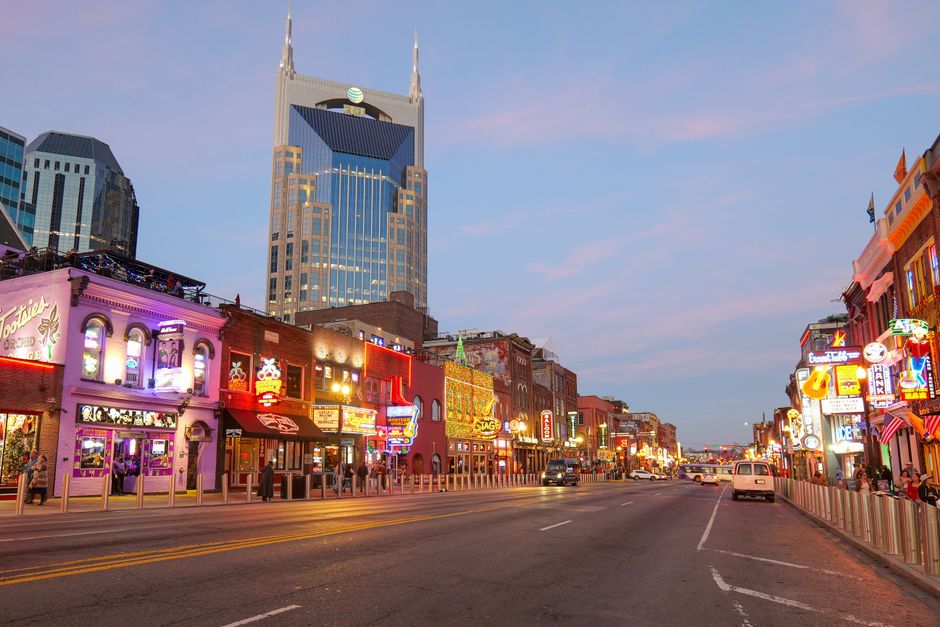
I rolled into Nashville on a Thursday evening, guitar cases and tour buses already lining Broadway, the smell of hot chicken drifting up from somewhere two blocks over. The city's got an easy, generous feel—the kind of place where people actually make eye contact and recommend their favorite dive bars without pretense. But like any mid-size city drawing hundreds of thousands of visitors yearly, Nashville has neighborhoods and blocks worth understanding before you wander into them at midnight.
I've spent enough time here to know the difference between sensible caution and paranoia. Most of Nashville is genuinely safe, especially in the heavily trafficked tourist zones and the well-maintained residential areas where locals actually live. The key is understanding which streets and times of day warrant basic street smarts—the same ones you'd use in any unfamiliar city.
Downtown and the Honky-Tonk Corridor: Crowded Is Safe, Empty Isn't
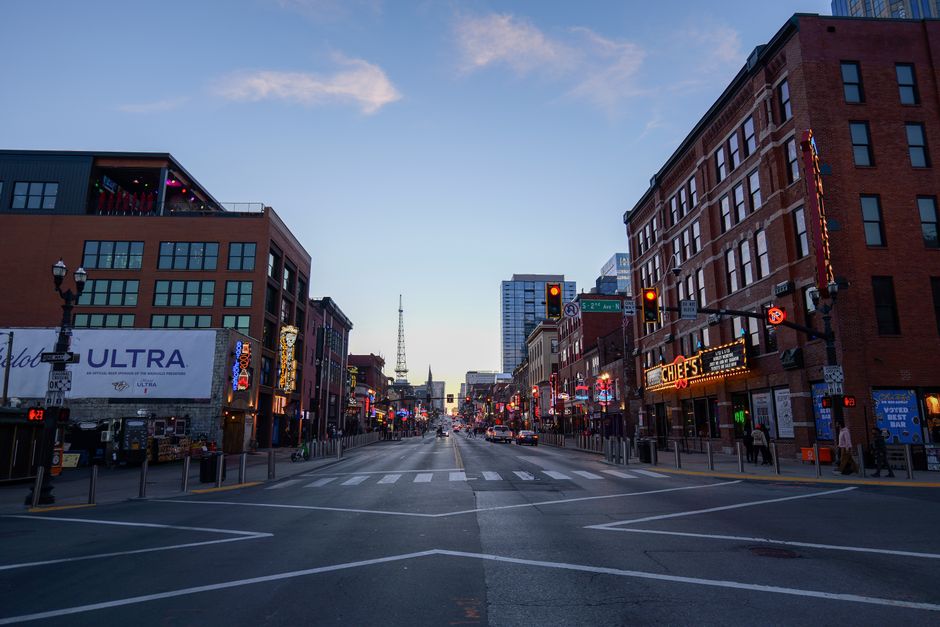
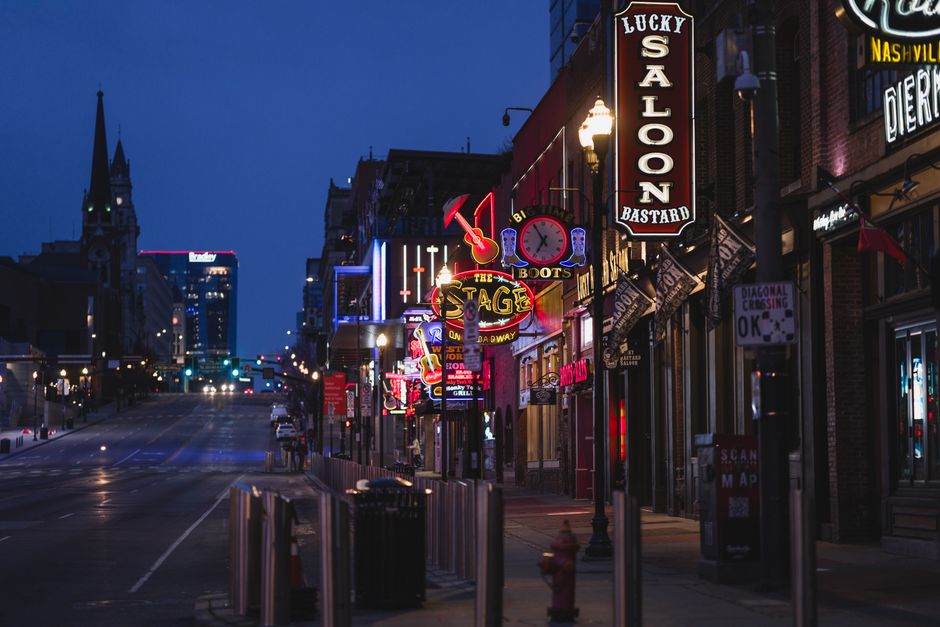
Broadway and the immediate downtown tourist district are bright, populated, and routinely patrolled. Walk those streets during evening hours—say, 5 p.m. to midnight—and you'll be in a river of other people. The real shift happens after the bars close, around 2 or 3 a.m., when the foot traffic evaporates and the remaining people are the ones closing out their tabs or heading home. If you're staying in or around this area, don't linger on sidewalks alone once the crowds thin out.
The numbered avenues (1st, 2nd, 3rd) extending from Broadway can feel sketchy after dark if you're solo, partly because they're darker and partly because they're less populated. Stick to the main commercial strips if you're out late. During daytime and early evening, you'll be fine exploring a wider radius—just keep your phone out for navigation, not just for scrolling. The neighborhoods immediately east of downtown (around The Gulch and Wedgewood-Houston) have been rapidly gentrified and are well-lit and busy.
North Nashville and South Nashville: The Reality Check
If there's a broad safety disparity in Nashville, it runs along predictable socioeconomic lines. North Nashville has been historically underinvested, and parts of it remain that way. Dickerson Pike and the corridors along Whites Creek Pike, Clarksville Pike, and Jefferson Street can have higher concentrations of property crime and street-level activity that feels uncomfortable if you're not from the area. Solo travelers shouldn't write off these neighborhoods entirely, but they're better explored during daylight with a plan—not as a late-night walk.
South Nashville, similarly, includes both thriving neighborhoods (like The Nations, which is rapidly gentrifying and is very walkable) and blocks that feel noticeably different depending on the specific street and time of day. Nolensville Pike, which runs through South Nashville and into the Nolensville corridor, is an active commercial and residential strip that's fine during business hours but darker and quieter at night. If you're heading to restaurants or shops on Nolensville, go before dark and use rideshare to return, especially if you're traveling alone.
Rideshare vs. Walking: When to Skip the Stroll
Nashville's layout makes it tempting to walk between neighborhoods, but distances are deceptive. What looks close on a map might be a 20-minute walk through areas that shift in character block by block. Use rideshare generously if you're heading somewhere unfamiliar after dark. The cost is minimal, and you avoid the disorientation that comes with being lost in an unfamiliar area at night.
During the day, walking is Nashville's strength. The Greenways (like the Shelby Bottoms Greenway or the Stones River Greenway) are excellent for solo travelers, though I'd stick to daylight hours and busier sections. Midtown, around Vanderbilt, is walkable and relatively safe throughout the day and early evening. The Nations neighborhood, Gulch, and 12 South are all pedestrian-friendly during normal hours. Just maintain basic awareness—don't bury yourself in your phone, don't flash cash or expensive gear, stick to well-lit and populated streets after dark.
Hotels, Hostels, and Where to Base Yourself
Downtown hotels are pricier but convenient and safe, especially the major chains near Broadway and the Gulch. Midtown, around Vanderbilt, has good budget options and feels like a neighborhood rather than a tourist zone. East Nashville has boutique hotels and hostels, and the area is genuinely walkable and interesting, though I'd avoid solo night walks on some of the quieter residential blocks.
If you're looking for a hostel for the social aspect, there are a few in the Midtown and East Nashville areas. The general rule: budget accommodations in gentrifying neighborhoods are cheaper and trendier but come with the trade-off of slightly less infrastructure and lighting than established downtown areas. Check reviews specifically from solo travelers about street-level safety, and trust your gut about a location the moment you arrive. A five-minute ride to a better neighborhood isn't worth the discomfort.
Practical Precautions That Actually Matter
Let's be direct: most of Nashville's crime against visitors is opportunistic theft, not violent crime. Keep your bag zipped, your phone in a front pocket or crossbody bag, and your attention on your surroundings rather than your screen. Don't leave rental cars unlocked or valuables visible on the seat. Use hotel safes for documents and excess cash.
Timing matters more than people admit. The same block looks and feels completely different at 7 p.m. versus midnight. If you're planning a night out in an area you don't know well, get there early in the evening when it's still populated, and either stay late enough to leave with a crowd or plan rideshare home. Trust your instincts about specific streets or blocks—if a route or area feels off, it probably is, not because of Nashville specifically but because you're picking up on real environmental cues.
Keep emergency numbers in your phone (Nashville Police non-emergency is 615-862-5750), know the location of your nearest hotel or major intersection, and consider sharing your location with a friend or family member if you're out late. Most of this is basic urban travel sense, but saying it out loud matters.
The Honest Take: Context Matters More Than Hype
Nashville's got real neighborhoods and real people living real lives, not just a backdrop for a bachelorette party or a weekend getaway. The city's growth has been fast, and that creates both opportunity and strain. The truth is more nuanced than "Nashville is safe" or "avoid X neighborhood entirely." Most areas are safe most of the time, with common-sense exceptions that depend on the hour, the specific block, and whether you're paying attention.
I've had wonderful, uneventful solo nights out in East Nashville, walked through neighborhoods most travel guides would flag, and used rideshare home from places I could technically have walked from. The difference is intention and awareness, not luck. Stay alert without staying anxious. Ask hotel staff or locals about specific routes if you're uncertain. Don't romanticize risk or assume that the least-touristed street is automatically dangerous—but also don't assume that a place with lower median income is inherently unsafe for a visitor who's paying attention and moving with purpose.
Resources and Local Input
Before you arrive, check the Metro Nashville Police Department's crime statistics online—they publish data by precinct, which gives you granular information beyond the generalities. Local subreddits and travel forums have Nashville regulars who can answer specific questions about particular neighborhoods and times. Read recent Google Maps reviews of specific venues and areas, paying attention to comments about felt safety and street-level conditions.
Once you're on the ground, don't hesitate to ask hotel staff, bartenders, or shop owners about specific routes. Locals usually give better guidance than any guidebook because they understand the actual rhythm of different areas—which streets feel sketchy at night even if they're fine during the day, which neighborhoods are in transition, where the safest waiting spots are for rideshare pickup. Nashville's friendly reputation isn't an accident; most people will be helpful and honest.