
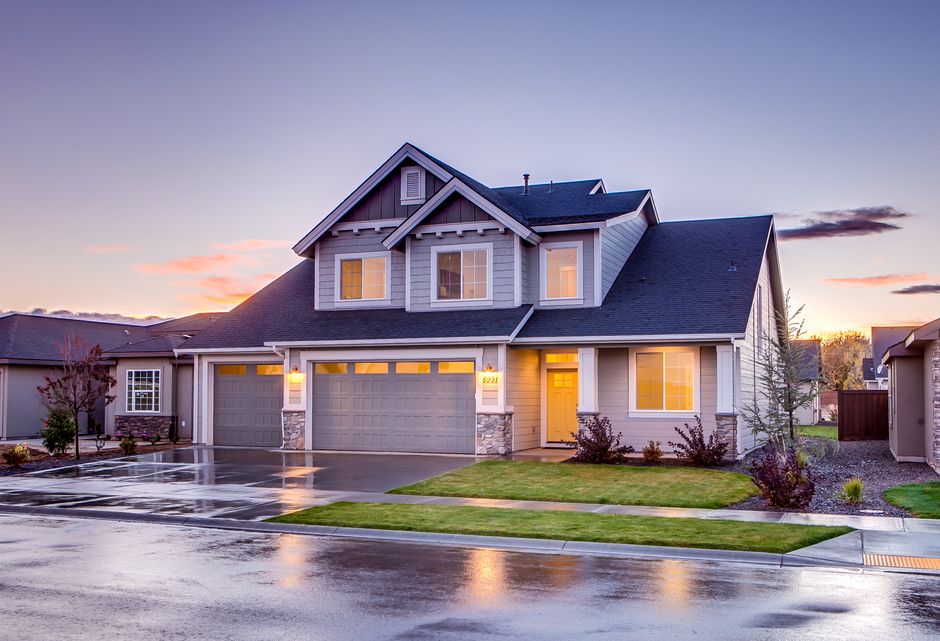
I landed in Omaha on a gray March afternoon, the kind of day where the sky and the Missouri River seem to merge into one flat palette. I'd come to get a real sense of what retirement here actually feels like—not the glossy version, but the day-to-day reality. The airport is small and manageable. The drive into town shows you strip malls and residential blocks, nothing flashy. Within an hour, I was eating a steak sandwich at a downtown dive and already talking to folks who'd moved here in their 60s. Some loved it. Some had reservations. That's the honest story you need before you commit.
Omaha doesn't market itself as a retirement destination the way Scottsdale or Charleston do. That's partly why it works for the people who choose it. You get a real city—good hospitals, decent restaurants, an actual downtown—without the retiree tourism machine. But winter is real here. And your healthcare choices, while solid, aren't infinite. The cost of living is genuinely low compared to the coasts, but that's only useful if you actually like living here.
Cost of Living and Taxes: The Financial Reality
Omaha's housing costs are legitimately one of its strongest selling points for retirees on a fixed income. A two-bedroom house or condo in decent shape runs significantly less than what you'd pay in most major metros. Rental apartments geared toward older adults are plentiful and affordable. Property taxes are moderate for the region, and Nebraska doesn't tax Social Security income, which matters if that's a chunk of your retirement money.
Nebraska's state income tax exists and isn't negligible—it's progressive and maxes out around 6.84 percent—so it's worth understanding before you commit. But it's not the burden it is in some states. The sales tax statewide sits around 5.5 percent depending on county, and groceries are typically exempt. Utilities run reasonable year-round except during the deepest parts of winter when heating costs climb.
One thing I heard repeatedly: retirees who'd lived elsewhere were surprised how far a fixed income stretches here. Eating out is cheap. Gas is cheap. That said, cost of living has been creeping up like everywhere else. It's still affordable by national standards, but don't expect 1995 prices.

Healthcare: Solid Options, Not Cutting Edge
Omaha has two major health systems—Methodist Health System and CHI Health—that provide decent coverage. The hospitals are accredited, the specialists are there, and you won't have to travel hours for serious care. If you need a cardiologist, an orthopedist, or a gastroenterologist, you can find one without much fuss. University of Nebraska Medical Center is here too, so there's some research-hospital energy in the market.
That said, this isn't Mayo Clinic territory. If you have a rare condition or need bleeding-edge treatment, you might end up in Kansas City or even flying elsewhere. The waiting times for specialists seem to be typical for a mid-size metro—sometimes reasonable, sometimes frustrating. Medicare-integrated plans are available and competitive.
Walking through the older neighborhoods, I noticed a good number of urgent-care clinics and primary-care offices, which is reassuring for day-to-day needs. But the real factor is which specific healthcare providers and insurers you prefer and whether they have a strong presence here. That's homework you need to do before you move, not after.
Winter: The Elephant in the Room
Let's be direct: Omaha winters are cold and gray. Temperatures regularly dip to zero or below from December through February. Snow comes and sticks around. There are blizzard years and ice-storm years. If you've lived your whole life in Florida or California, this will be a genuine shock.
But—and this matters—Omaha isn't the Canadian plains. The winters aren't as brutal as Minneapolis or Denver. You get maybe 20 inches of snow per year, not 60. The city has gotten better at snow removal over time. And many retirees who grew up in the Midwest see it as normal, almost comforting. They invest in a good snow blower, bundle up for walks, and spend more time indoors than they did in summer.
Spring and fall are genuinely pleasant—warm but not humid, green, natural feeling. Summers are hot and humid, the kind of place where you're in air conditioning or near water during peak afternoon hours. If winters are a deal-breaker for you, Omaha won't work. If you can tolerate them or prefer them to scorching heat, it's manageable.
One more thing: if you hate driving in bad weather, retirement in Omaha means either staying put or paying for someone to handle snow removal and car maintenance. That's a real lifestyle choice.

Dundee and Benson: Where Retirees Actually Settle
Dundee is the neighborhood everyone points to first. It's an older, established area west of downtown with tree-lined streets, a small commercial spine anchored by local shops and restaurants, and that aesthetic appeal that draws people who want walkability without pretension. Housing prices are higher than some Omaha neighborhoods but still reasonable by national standards. The sense of community is real—people know their neighbors, there's a farmers market, local events.
The catch is that Dundee has attracted younger professionals too, which pushes prices up and changes the vibe slightly. But for retirees who want urban convenience, good bones in the housing stock, and a neighborhood with actual character, it's the obvious choice. I walked around there on a Saturday morning and saw couples in their 70s getting coffee, families with kids, young professionals renovating homes. It felt less like a retirement enclave and more like a neighborhood where people happen to live, which is probably healthier long-term.
Benson, just south of Dundee, is emerging as a secondary option. It's grittier, less polished, with lower prices and more of that authentic Omaha feel. Retirees attracted to the area tend to be those who've lived in Omaha already or come from similar Midwestern towns. There's a brewpub scene developing, actual ethnic diversity, and less of the precious vibe you sometimes get in Dundee.
Papillion and Elkhorn: The Suburban Alternative
If you want to stay in the metro area but prefer suburban rhythm to urban living, Papillion is the safe bet. It's where a lot of retirees end up, especially those with family still in the area. Good schools if grandkids visit, low crime rates, clean sidewalks, chain restaurants and national retailers. Housing costs are reasonable. It feels suburban in the truest sense—orderly, predictable, functional.
Elkhorn, just west, is similar but newer and slightly pricier. More of the golf-community aesthetic, though without the gated exclusivity. If you've spent your career in corporate America and want low friction in retirement, these towns deliver. The tradeoff is that they lack the neighborhood character and walkability of Dundee or central Omaha. You'll need a car for everything, and you'll spend more time driving to restaurants or cultural events.
These are fine choices, especially if you have adult children or grandchildren in the Omaha area. Just go in knowing you're choosing convenience and safety over discovery or texture.

What Makes Omaha Work (or Not)
The Omaha I experienced over a week was understated. The Old Market downtown is touristy but manageable. The Joslyn Art Museum is genuinely good. The Henry Doorly Zoo is excellent if you have visiting family. There's a decent restaurant scene—nothing like Denver or Kansas City, but legit options. The live music and comedy venue scene is stronger than you'd expect. People are friendly without being aggressively chatty.
What you won't get is the constant cultural programming of bigger cities or the perpetual warmth of retirement havens down south. Omaha asks you to build your own retirement life rather than slip into a ready-made one. That's actually a strength if you're the type who wants engagement, community involvement, and some roughness. It's a weakness if you want immediate social structure or weather certainty.
The real question isn't whether Omaha is objectively a good retirement destination—it depends entirely on what you need. If you want affordable living, reliable healthcare, a real city with Midwestern authenticity, and you can handle winter, it's worth serious consideration. If you're running from somewhere cold, need year-round sunshine, or require world-class specialized medicine, look elsewhere. Omaha doesn't pretend to be something it's not. That's exactly why some people thrive there and others are miserable within a year. Make sure you're in the first group before you commit.
Before You Decide: Real Steps to Take
Spend at least a few days in Omaha during winter, not just summer. Rent a place in Dundee or central Omaha for a long weekend. Drive around Papillion and Elkhorn. Eat at actual neighborhood restaurants, not the touristy spots. Talk to people who've been there a decade, not the ones who just moved. Sit in a coffee shop for an hour and notice what the vibe is.
Do homework on healthcare—specific doctors you need, specific insurance plans, wait times. Call ahead if you have particular medical requirements. Look at property taxes in your target neighborhoods. Compare your state and federal tax situation across a few scenarios. Visit in February, not April. That's not being pessimistic; it's being honest.



