
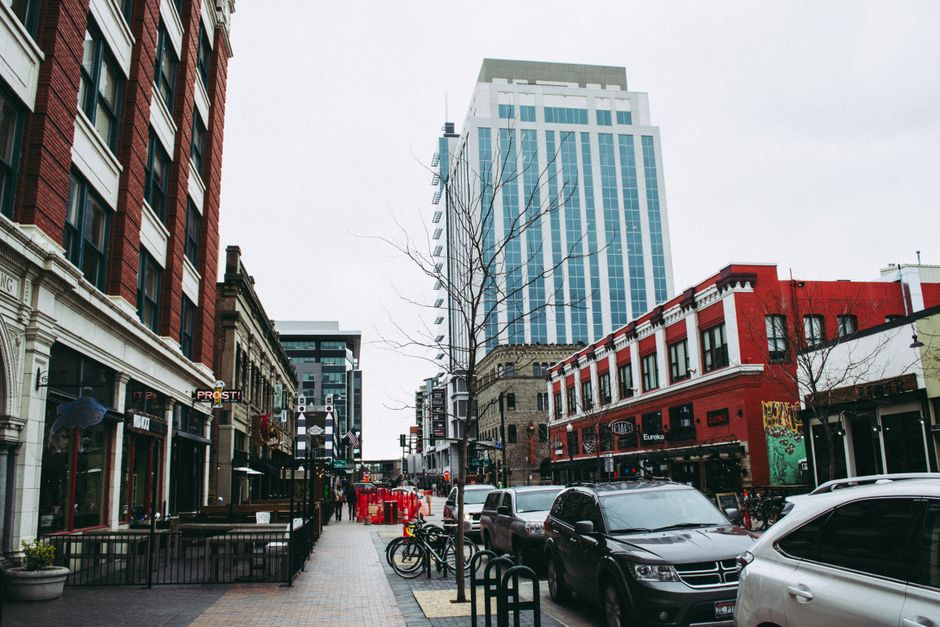
I landed in Omaha on a Thursday evening, rolled into the Old Market with my backpack, and immediately felt the kind of medium-city ease that catches you off guard when you're used to bigger urban centers. The streets were active but not frantic. People seemed to actually know each other. Within an hour I'd had two conversations with locals who'd lived here their whole lives, which told me something: this isn't a place where anonymity is the default, and that matters for how you move through it.
But "feels safe" and "is safe in every circumstance" are different things. I spent a week talking to hotel staff, bartenders, rideshare drivers, and residents who actually navigate these streets daily. The picture that emerged was straightforward: Omaha is generally welcoming to solo travelers, but like any city, it has pockets where caution makes sense, and behaviors—timing, routes, instincts—that matter more than geography alone.
The Reality of Omaha's Safety Profile
Omaha's crime statistics, according to local police data and FBI reporting, put it in a middle range for Midwestern cities—not the safest, not the most dangerous. Violent crime exists here, but it's not evenly distributed. Property crime (theft from cars, package theft) is the more common complaint you'll hear from residents, especially downtown and in busier commercial areas.
The vast majority of Omaha—the neighborhoods where tourists actually spend time (Benson, Dundee, Midtown, Riverfront)—functions as a normal American city. People walk to dinner. Solo travelers stay in hotels. Rideshares operate freely. The issue isn't that whole neighborhoods are off-limits; it's that you shouldn't adopt a "I'll go anywhere anytime" approach in any city, and Omaha is no exception. The difference is the specificity of where that caution applies.
North Omaha and Beyond: Where Locals Exercise Judgment
North Omaha, particularly areas west of 30th Street and north of Cuming, is where I heard consistent caution from locals—not fearmongering, but genuine "don't wander here at night alone" advice. This is a neighborhood with documented higher crime rates, economic stress, and limited foot traffic for tourism. A solo traveler has no real reason to be there anyway. It's residential, not scenic. You're not missing anything.
The stretch of South 24th Street near the southern edge of downtown also came up repeatedly in conversations. Again, not a destination—more a reminder that some industrial or transitional areas exist on the periphery. West Omaha, the sprawling residential sections beyond 144th Street, is statistically safer but also irrelevant to a visitor's itinerary unless you're staying with family.
Downtown and the Riverfront: Busy, But Use Your Head
Downtown Omaha, especially around the Old Market, Gene Leahy Park, and the Riverfront, is genuinely lively, especially evenings and weekends. I walked these areas solo multiple times—morning, afternoon, night—and saw no issues. Police presence is regular. Foot traffic is steady. It's the kind of place where a solo traveler can absolutely get around.
That said, late night (past midnight on weekends) you'll notice the character shifts. Bars close in waves. The crowd that remains is smaller and more variable. A 2 a.m. solo walk back to your hotel is possible but less ideal than a rideshare. Use the same judgment you would in any downtown area: well-lit routes, groups when possible, phone charged. Don't keep your wallet flashing. Don't argue with drunk people. These are not Omaha rules; they're city rules everywhere.
Neighborhoods Worth Visiting (and Why They're Generally Fine)
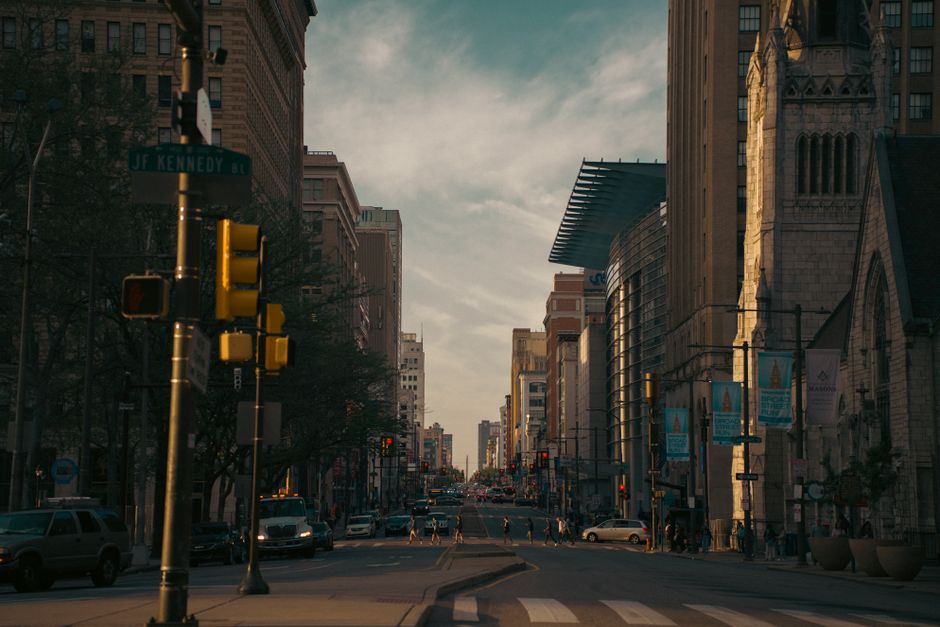
Benson, northwest of downtown, has become the cool neighborhood over the last decade—breweries, restaurants, vintage shops, walkable blocks. It's safe for solo travelers, even in evening hours, because it's designed for that kind of browsing. Dundee, just west, is similar: family-friendly, sidewalk-oriented, active enough that you're never alone on a street.
Midtown (around the Creighton area) has energy and foot traffic. The Riverfront entertainment district near the Henry Doorly Zoo draws families and groups throughout the day. South of downtown, the Bricktown area has restaurants and shops. All of these are places where solo female travelers, solo male travelers, and anyone traveling alone can move around without unusual paranoia. Just don't be stupid—don't leave valuables visible in a parked car, don't walk alone down truly empty blocks at midnight, don't advertise that you're alone and unfamiliar with the area.
Practical Precautions That Actually Matter
Most of my safety experience in Omaha came down to basics. I used rideshare (Uber, Lyft) liberally rather than trying to navigate unfamiliar streets after dark. It cost $8–15 per ride. Worth it. I stayed in the Old Market or near downtown where I could walk to restaurants and bars rather than driving to isolated spots. I kept my phone charged and didn't wear expensive headphones or jewelry that broadcast "new here, distracted."
Public transit exists (the Omaha Metro bus system), but it's not dense or frequent enough for a solo traveler to rely on for main movements. If you're driving a rental car, the standard advice applies: lock it, don't leave things visible, park in well-lit lots. The parking situation in Old Market and downtown is manageable—lots and garages are obvious and safe.
One thing I noticed: Omaha is still a place where eye contact and a greeting actually matter. People are less hardened than in bigger cities. A simple "hey, which direction is the Bob?" to a stranger will get you a real answer, not a cold brush-off. That social ease is part of what makes it feel safe, and I think it's genuine.
Weather and Visibility: The Overlooked Safety Factor
Omaha winters (December–February) bring snow, ice, and darkness by 5 p.m. This changes the practical landscape. Not because it's dangerous, but because poor visibility and cold make bad decision-making more likely. Solo travelers should consider whether winter is really the right time to visit, or at least plan carefully—book activities with known routes, use rideshare more, don't extend evening walks just because it seemed safe in daylight. Conversely, summer and fall are wide open. Spring is muddy but fine.
Flood risk exists (the Missouri River is a factor), but it's not a casual solo-traveler concern unless you're there during a specific weather event. Just be aware that after heavy rain, some streets and parks can become temporarily impassable.
The Instinct Test: Trust Yourself
I'm hesitant to oversimplify this, but here's what I believe: if a street or situation feels off, it probably is, or at least there's no benefit to ignoring your gut. That's true everywhere, but it's the one rule that actually works. Omaha is not a city where danger is hiding around every corner, but it's also not a place where you should completely abandon situational awareness.
I saw solo travelers—men, women, various ages—moving through Omaha comfortably all week. They weren't paranoid. They also weren't wandering into dark dead-ends at midnight. They were using the basic human judgment that works in any city. If you do that, Omaha becomes what it is for most people who live here: a city where you can get around, enjoy the food and culture, and not spend your whole time worried.



