
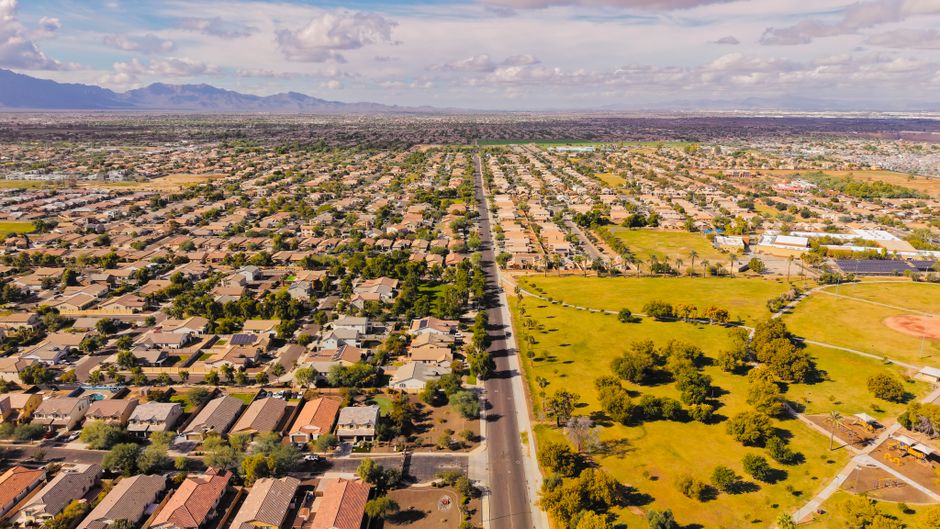
I arrived in Phoenix in late January, which is the right time to visit if you're seriously considering retirement there. The weather was exactly what people promise—low 70s, clear skies, the kind of day where you actually want to sit outside without overheating. But I wasn't just here for a long weekend. I spent three weeks talking to retirees, walking neighborhoods, checking out hospitals, and sitting in coffee shops listening to how people actually talk about living here year-round.
What surprised me most wasn't the heat or the sprawl, though both are real. It was how divided the conversation is. Some retirees I met were genuinely happy. Others had moved back north within five years. The difference often came down to specifics that don't make it into retirement guides—which neighborhoods you choose, whether you're the type to stay inside summers, how important being near family actually turns out to be.
Cost of Living and Housing
Phoenix's reputation as an affordable retirement destination is only half true anymore. Housing prices have climbed significantly in the past few years. If you're looking at desirable neighborhoods near good healthcare or with walkable shopping, you're not getting a three-bedroom home for $200,000 like the stories from 2015. Expect something modest in established areas to run $350,000 to $500,000+, depending on location and condition.
That said, it's still cheaper than much of the country. A couple I met in Ahwatukee had downsized from the Bay Area and were genuinely stunned at what their money could buy. Rental prices are lower than many retirement hotspots, which matters if you want to test the waters before committing to a purchase. Utilities are a mixed bag—electricity during summer gets expensive because of air conditioning, but you save on heating and don't need to winterize anything.
Groceries, dining, and general services feel moderate. Not cheap, not expensive. You'll pay more than you did in rural America, less than you would in a major coastal city. Property taxes in Arizona run around 0.62% of assessed value statewide, which is below the national average—worth mentioning if you're comparing across states, though I'd encourage anyone to verify current rates and any local variations with a tax professional rather than relying on general figures.
Healthcare Access
Phoenix has good hospital infrastructure. Banner Health and HonorHealth operate major medical centers, and there's competition that keeps things relatively responsive. Doctors aren't hard to find if you have Medicare or decent private coverage, though wait times for specialists can stretch six to eight weeks depending on your insurance and the specialty. Urgent care clinics are everywhere, which is useful for the non-emergency stuff.
Where healthcare gets trickier is the desert medicine angle. Dermatologists are booked solid because skin cancer rates are high. Ophthalmologists too. If you have existing chronic conditions, you'll want to confirm before moving that your specific doctors take Medicare or that their replacements are available. One retiree I met spent his first year after moving fighting to get his heart medication refilled because his cardiologist didn't take his supplemental insurance.
Mayo Clinic's Arizona presence is significant, particularly in Scottsdale, and that's a draw for people who need specialized or complex care. But you're paying Scottsdale prices for that proximity. The broader point: healthcare is here and functional, but don't assume it's effortless just because it's a major metro.
The Climate Reality
Everyone knows Phoenix is hot. What's less discussed is whether that heat is actually manageable for you specifically. Summers hit 110+ degrees regularly from June through August. That's not a metaphor—it's genuinely that hot. Your car's steering wheel will burn you. Pavement will give you blisters. Outdoor activities essentially stop.
Some retirees thrive in this setup. They stay inside during the day, use pools and gyms, run errands early morning or evening. Others hate it and leave. The people who stay long-term seem to be either genuinely heat-tolerant or wealthy enough to travel north during summer. If you're a person who needs outdoor activity year-round, Phoenix might wear on you by August of the first year.
Winter, on the other hand, is genuinely pleasant. November through March is probably the best weather in North America. If you're coming from somewhere with real winters, that alone is worth something. But you're buying a place to live June through September too, and you need to be honest about what that means for your actual happiness.
Scottsdale and North Scottsdale
Scottsdale is where retirees with money settle. The area northeast of Old Town toward Carefree is particularly popular—good restaurants, art galleries, spas, golf courses, and generally upper-middle-class stability. Healthcare is excellent because of Mayo Clinic's presence. The Old Town area itself can feel touristy, but neighborhoods a mile or two east are quiet and residential.
The tradeoff is obvious: you're paying for it. Homes run high, dining is expensive, and if your retirement budget is modest, you might feel nickel-and-dimed. That said, if you're coming from a similar affluent area and looking for comparable community and services, Scottsdale delivers. The retirees I met there seemed satisfied, though none of them claimed to have discovered some secret. They knew exactly what they were getting: an expensive, well-maintained neighborhood with reliable services.
Ahwatukee and Southwest Phoenix
Ahwatukee sits south of downtown, nestled between mountains. It's less flashy than Scottsdale but feels more intentional somehow—like people chose it rather than defaulting to it. Housing is more affordable, the community is established and stable, and there's actually topography, which Phoenix largely lacks. Hiking trails are accessible. It feels less sprawling than other parts of the city.
The tradeoff is proximity. You're 20-30 minutes from downtown Phoenix depending on traffic, longer from Scottsdale. If you need frequent specialized medical care, that adds up. But for retirees who want a quieter feel and don't mind driving to amenities, it works. The people I met in Ahwatukee seemed genuinely rooted—they weren't just passing through waiting for summer to escape.

Sun City and Nearby Retirement Communities
Sun City, northwest of Phoenix, is the OG retirement community. It's been here since the 1960s and operates as a gated community with age restrictions (55+), built-in social structure, and predictable maintenance. Some people love this. You pay a community fee, everything is managed, and you're guaranteed to be around other retirees.
I spent an afternoon there and found it genuinely functional if sterile. The golf courses are maintained immaculately. The activities are organized. But it also feels a bit removed from broader Phoenix life—you're buying into a separate ecosystem. That works great if what you want is a retirement village atmosphere. If you want to feel embedded in a real city with younger people around and organic community, you might feel isolated.
There are other age-restricted communities scattered around the metro—Youngtown, Surprise—with similar dynamics. They're worth visiting if the concept appeals to you, but go in eyes open. You're not getting Phoenix's city amenities; you're getting a purpose-built retirement enclave.
Taxes and Financial Considerations
Arizona doesn't have a state income tax on Social Security benefits, which is a real benefit for retirees living primarily on that income. The state does tax other retirement income (pensions, IRA withdrawals, etc.), though rates are moderate and there are deductions available for certain types of retirement income. Again, I want to be clear: tax situations are individual and change. Anyone considering a move for tax reasons should consult a tax professional who knows both their current state and Arizona, not just take my general observations as gospel.
Property tax is reasonable by national standards. Sales tax is moderate. There are no inheritance taxes. If you're someone with substantial assets and complicated income streams, you might benefit from Arizona's structure. For average retirees living on Social Security and modest savings, the tax angle is less dramatic but still slightly favorable compared to many states.
The Real Question
After three weeks, my sense is that Phoenix works well for specific types of retirees and poorly for others. If you're heat-tolerant, relatively healthy, okay with a sprawling layout, and want weather and affordability, it's a legitimate choice. If you absolutely need four seasons, require frequent outdoor activity, are deeply rooted in family nearby, or can't handle intense sunshine, you'll probably struggle.
The thing that struck me most was how little my opinion matters. What matters is your specific situation—your health, your finances, your social needs, your tolerance for heat, whether you have family in or out of the area. Phoenix isn't secretly great or secretly terrible. It's a large metro with real amenities and real tradeoffs. The retirees thriving there weren't fooling themselves about the drawbacks. They were just prioritizing differently than people who'd moved away.



