
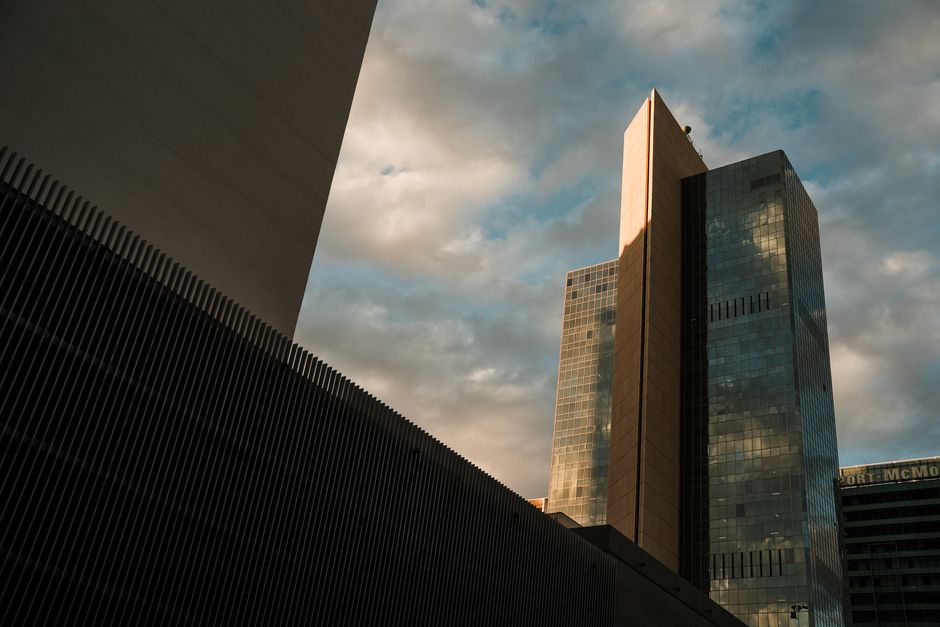
I landed in Phoenix on a Tuesday in March, rolling into Sky Harbor with the kind of optimism you get when you've researched a city just enough to feel prepared but not so much that you're paranoid. The heat hit different than I expected—dry, immediate, the kind of sun that makes you squint before your eyes adjust. I spent my first evening walking the blocks around downtown, watching the light change, getting a feel for how the city actually moves.
Phoenix gets a mixed reputation online. Some travel forums make it sound like a warzone; others dismiss safety concerns entirely. The truth, as it usually is, sits somewhere in the middle. I'm not here to pretend there are no areas worth avoiding or precautions worth taking. I'm also not here to scare you away from a city that's genuinely manageable if you move through it with the same common sense you'd use anywhere else. Let me walk you through what matters.
Downtown and Central Phoenix: Timing and Awareness Matter
Downtown Phoenix has real character—galleries, the Heard Museum, decent bars, the kind of urban energy you don't get in the suburbs. I spent an afternoon wandering Roosevelt Row, poking into art studios and vintage shops. During daylight and early evening, the energy is fine. But like most downtown cores, it changes after dark, especially on weekdays when the foot traffic thins out.
You don't need to avoid downtown entirely. Just be pragmatic about it. Walk it during the day when you want to see the architecture and street art. If you're going out at night, stick to well-populated areas and well-lit routes. Take a rideshare if it's late, or go with other people. The same rules you'd apply to downtown Denver or Austin apply here. Avoid walking alone through empty blocks at 2 a.m.—that's not a Phoenix thing, that's just how cities work.

South Phoenix and West Phoenix: Real Neighborhoods, Real Caution
South Phoenix and West Phoenix have higher rates of property crime and some violent crime compared to other parts of the city. These aren't manufactured concerns—they show up consistently in police data and in conversations with locals. But here's what matters: most of that activity is concentrated and doesn't affect visitors who stay aware and move strategically.
If you're staying in a hotel or Airbnb in these areas, you're probably fine, especially if it's in a commercial corridor or near a main street. Where you should exercise more caution is wandering residential blocks alone at night, or parking a car visibly full of luggage. Use the same judgment you would in any neighborhood where you don't know the rhythm: don't linger unnecessarily, pay attention to your surroundings, don't flash expensive gear, use rideshares when timing is sketchy. I met a couple staying in a South Phoenix Airbnb for a month who had zero issues—they just weren't walking around at midnight.
Maryvale and the Far West Side: Know Before You Go
Maryvale has experienced significant property crime challenges in recent years, something you'll find documented in local news and police reports. It's not a place I'd recommend as a tourist base, and it's not somewhere I'd wander around exploring on foot without specific purpose and good daylight.
The same goes for stretches of the far West Side. These neighborhoods are home to regular residents going about their lives, but they're not particularly designed for solo travelers doing tourism. If you're meeting someone there, great—go in the daytime or plan your transit carefully. If you're choosing where to stay, though, pick somewhere else. There's plenty of Phoenix that's more convenient and requires less caution management.
Scottsdale and North Scottsdale: The Other End of the Scale
Scottsdale—especially the Old Town area and north toward Paradise Valley—is the opposite end of the Phoenix safety spectrum. I felt like I was in a different city walking around there. Lots of police presence, lots of foot traffic, well-lit, active, the kind of place where parents let their teenagers roam the shops. Violent crime is low. Property crime is low. The main risk is probably overpriced hotel margaritas, not personal safety.
North Phoenix neighborhoods like Ahwatukee and areas toward Camelback Mountain follow a similar pattern. Residential, quiet, safe. Families walk dogs in the evening. You won't have the same urban energy as downtown, but if your priority is safety and quiet, these are solid choices.
Midtown and Central Neighborhoods: Your Sweet Spot
If you're a solo traveler wanting access to actual Phoenix without overthinking safety, the area around Midtown—Camelback Corridor, uptown Phoenix, the neighborhood around 44th Street and Indian School Road—gives you a lot of what you want. It's got restaurants, bars, cultural stuff, a neighborhood feel rather than a resort feel. It's walkable during the day. It has commercial energy without feeling sketchy.
Roosevelt has become genuinely cool in recent years. The neighborhood has mixed reviews, but most of my time there during daytime and early evening was fine. Again: don't wander dark residential blocks at 2 a.m., but that's true anywhere. Use common sense about timing and your route, and you'll be okay.

Practical Precautions That Actually Work
Forget the paranoia playbook. Here's what matters: Phoenix is spread out, which means you'll probably be using rideshare or rental cars. That's actually good news for safety—you're not spending hours waiting for transit or walking miles to your hotel. Use rideshare in the evening. If you're driving and parking, don't leave visible valuables in your car. Lock your door. Use parking garages or attendant lots if you're staying out late.
The sun is a real factor. Dehydration makes you stupid and creates situations. Carry water, apply sunscreen like your life depends on it, and don't walk for hours in the afternoon heat without a plan for cooling off. Some of my worst travel moments have been heat-related poor decisions masquerading as adventure.
Stay aware in crowded tourist areas. Old Town Scottsdale gets tourists. Downtown Phoenix gets them. Watch your bag at bars. Don't flash expensive cameras or phones unnecessarily. That's not Phoenix-specific; that's traveling.
Transit Sense: Drive or Rideshare, Not the Network
Phoenix public transit exists but isn't dense or frequent enough to be your primary way of getting around as a solo visitor. I tried using the light rail system and buses; they work if you know where you're going, but they're not frequent enough to be casual. For safety reasons, this is actually fine. Spend a little extra on rideshare. You'll spend less time waiting in sketchy circumstances, and you'll move on your own schedule.
If you rent a car, you have total freedom and total responsibility. Phoenix driving is straightforward—the grid is logical, traffic is manageable compared to other big cities. Just follow normal rules: lock your car, don't be the person who leaves sunglasses and a phone visible on the passenger seat, park in visible, populated areas.
The Real Phoenix for Solo Travelers
Three weeks in Phoenix taught me that it's not dangerous if you move through it like an adult rather than like someone who believes the worst-case internet narrative. The city's real problems—economic inequality, heat vulnerability, sprawl—don't turn into personal safety issues unless you're ignoring obvious warnings.
Stay in central, north, or upscale areas if you want to minimize thinking about safety. Spend your days in museums, botanical gardens, hiking areas, restaurants. Take a rideshare in the evening. Don't wander alone through empty neighborhoods at night. Don't leave your car full of luggage unattended. Beyond that, Phoenix is fine. It's hot, it's spread out, and you'll probably need to adjust to the pace and scale. But it's not dangerous. Don't let internet fear keep you from experiencing a genuinely interesting Southwest city.



