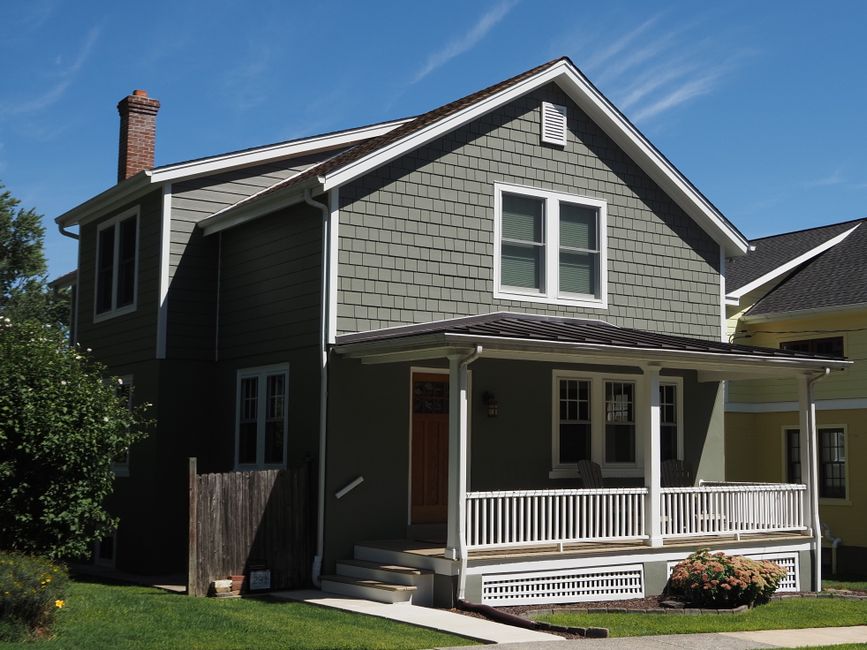
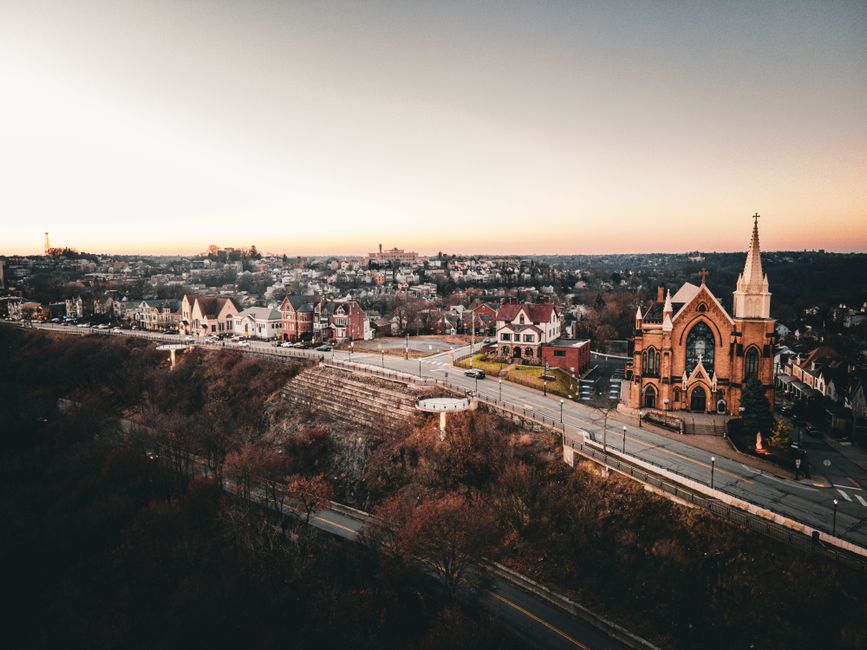
I rolled into Pittsburgh on a gray November afternoon, the kind of day where the sky and the Allegheny River seem to blend into one. The first thing that strikes you isn't the Strip District bustle or the bridges—it's how quiet the neighborhoods are. You'll see retirees on porches, families that have been here for forty years, and a lot of people who seem genuinely rooted. That's the real selling point for retirement here, and it's worth thinking through carefully.
Pittsburgh gets pitched a lot as an affordable alternative to the Northeast's pricier retirement destinations. But "affordable" is relative, and there are real trade-offs you need to weigh. The winters are legitimately rough. The healthcare system is solid but not flashy. And while property taxes won't bankrupt you compared to New Jersey or Massachusetts, they're not trivial either. I spent two weeks talking to people who'd made the leap, people considering it, and a few who'd decided it wasn't for them.
Cost of Living: The Real Numbers
Pittsburgh's cost of living sits somewhere between the national average and what you'd pay in major East Coast metros. Housing is the biggest variable. You can still find single-family homes in decent neighborhoods for under $200,000, though anything in the desirable walkable areas or with waterfront access will run you more. I toured a few three-bedroom houses near Shadyside in the mid-$300,000 range, which would be a steal in Boston or Washington but isn't exactly a bargain anymore.
Groceries, utilities, and dining out are generally reasonable. A casual dinner for two runs $30–$50 before tip. Property maintenance and contractors seem to cost less than what I've paid elsewhere, though that's anecdotal. The real savings kick in if you're looking at a smaller place or willing to be in a less trendy neighborhood. A retiree I met in Lawrenceville said her property taxes and utilities combined run her about $350 a month, but she bought her house in 1987 and has it paid off. That's not a starting point for someone new to the city.
One thing worth mentioning: Pennsylvania has no sales tax on clothing or groceries, which is a modest but real win for your budget. Expect to spend less on general goods than you would in surrounding states.
Healthcare: Solid System, Urban Concentration
UPMC and Allegheny Health Network dominate healthcare here. UPMC Presbyterian is a major teaching hospital downtown, and both systems have extensive networks across the region. If you're managing chronic conditions or anticipating you might need specialists, the infrastructure is here. The University of Pittsburgh medical school and research presence mean you're not in a backwater for care.
That said, if you retire to a smaller town outside the city proper—say, Sewickley or Beaver—you're relying on satellite facilities and longer drives to reach major specialists. I checked wait times at a few clinics and they were typical for a mid-size metro. Nothing alarming, nothing spectacular. The real limitation is geographic: the system works best if you're in or near Pittsburgh proper. Rural southwestern Pennsylvania has real access issues that don't apply here, but the moment you head 45 minutes outside the city, options thin out.
Winters, Weather, and What That Means
Let's be direct: Pittsburgh winters are cold, gray, and long. December through March feels like a commitment to endure rather than enjoy. Average lows in January hit the mid-20s, and snow comes regularly—typically 40–50 inches a season. The gray days are relentless. If you've spent your working life dreaming of year-round golf and sunshine, this isn't that place.
But here's the nuance. It doesn't get as brutally cold as Minneapolis or Buffalo. You're not dealing with wind-chill nightmares most of the time. And if you're already used to Northeast winters, you know what you're getting. Several retirees I spoke with said they appreciated the defined seasons after years of Florida humidity or the sameness of other Sun Belt spots. One woman in her late 60s said, "My bones don't ache in the humidity, and I like putting on a coat." Spring here is legitimate and rewarding. Fall is genuinely excellent.
The calculus changes if you have serious health issues where cold weather or limited mobility in winter becomes a real problem. Joint pain, respiratory issues, or isolation concerns are worth weighing carefully.
Taxes: The Baseline
Pennsylvania taxes Social Security income favorably—it's exempt. That's significant for retirees living largely on benefits and investment withdrawals. Property taxes vary by municipality but average around 1.5–1.8% of home value across Allegheny County, which is moderate compared to New Jersey or Illinois but higher than places like Florida or Texas.
State income tax runs 3.07%, which is below the national average. Federal tax treatment of retirement accounts and distributions doesn't change based on location, so that's a constant. The real story here is that Pennsylvania isn't pushing retirees out the way some high-tax states do, but it's not a tax haven either. Get specific advice from a CPA before moving, especially if you have complicated income sources. I'm painting in broad strokes here because tax situations are genuinely individual, and I've seen people get burned by assuming a state's general reputation applied to their specific situation.
Shadyside and Squirrel Hill: In the City
Shadyside is the obvious choice if you want urban walkability and don't mind paying for it. Walnut Street has restaurants, galleries, and boutiques. You can walk to shops and coffee. The neighborhood skews younger and wealthier than typical retirement destinations, so you're not joining a 55+ community—you're mixing with young professionals and established families. Home prices reflect the demand: expect $350,000–$600,000+ for a decent place. The appeal is being able to age in place with services nearby and cultural activity.
Squirrel Hill, just east, is more diverse economically and offers better value. It's got genuine neighborhood character—a longtime Jewish community, immigrant populations, independent shops, and less of the boutique-ification of Shadyside. You can find three-bedroom homes in the $200,000–$300,000 range. It's more residential, quieter, still walkable to some services. The demographics skew older, which means there's already a retiree presence and infrastructure that caters to that. I met people in their 70s and 80s who'd been here for decades and had no interest in leaving.
Sewickley: Suburban Comfort
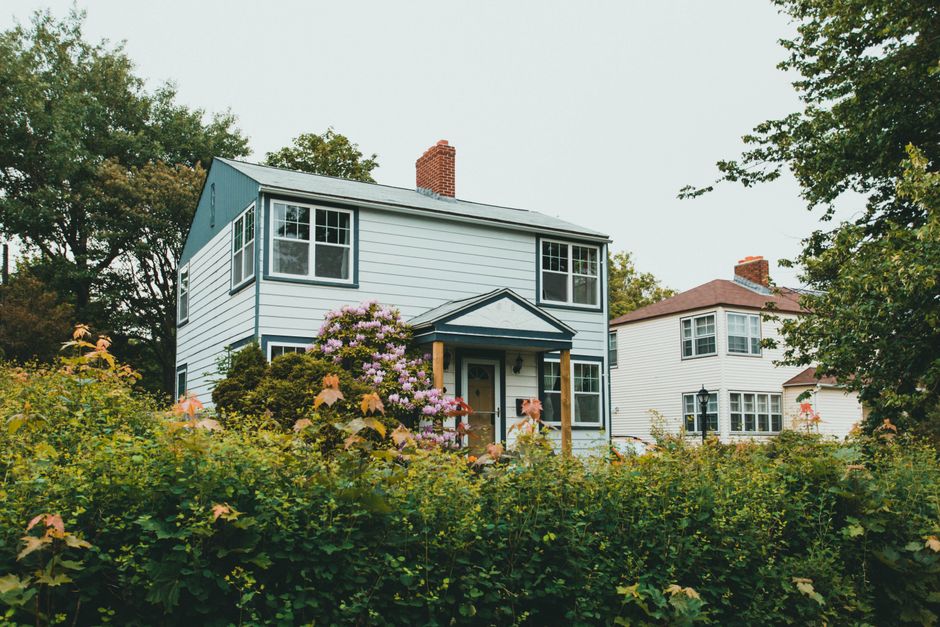
If you want suburbs without sprawl, Sewickley is the answer—about 20 minutes north along the Ohio River. It's a wealthy, established community with good schools (which matters less for retirees but signals stability), low crime, and a downtown with actual character. The Sewickley Valley Hospital is there, which helps with healthcare access. Homes run higher, typically $300,000–$500,000+, but you get more space, larger lots, and a quieter setting.
The trade-off is car dependency. You're not walking to dinner or the doctor. You're relying on driving or being near someone who can drive you. For retirees who are still active and mobile, that's fine. For anyone concerned about eventually giving up keys, it's a limitation. I drove around one afternoon and it felt genuinely pleasant—tree-lined streets, well-maintained homes, an old-money-but-not-pretentious vibe. It's a place people retire to when they want comfort and quiet, not when they're seeking urban energy.
Beaver and the Smaller Corridor
Head about 30 minutes north along Route 51 and you hit Beaver, a smaller town that's seeing retirement interest partly because housing is cheaper and space is more abundant. You can buy older family homes in decent shape for $100,000–$180,000. That opens up possibilities for people on tighter budgets. The tradeoff is distance from major medical centers and cultural amenities. Beaver has a downtown that's been slowly improving, and the Ohio River provides some character, but this is genuinely small-town living.
It works for retirees who are healthy, don't need constant access to specialists, and want a lower cost of living above all else. It's also worth noting that smaller towns in southwestern Pennsylvania have been economically stressed for years. Services can be thinner than in the Pittsburgh metro. You'd want to spend time here first, not just read about it online.
The Real Question: Is It Right for You?
Pittsburgh works well for retirees who want an affordable Northeast location with actual urban amenities, don't mind winters, and value neighborhoods with real history over year-round sunshine. It's not right if you're climate-sensitive, need constant access to cutting-edge medical specialists, or want an active 55+ community with built-in social programming.
Spend a full winter here before deciding. Rent for three months, not a week. Talk to people who moved here at 65 and are now 75 and still happy. Visit in February, not October. The honest sell is: Pittsburgh is livable, affordable-enough, and unpretentious. It's not a secret anymore, but it's also not overrun. The neighborhoods have character. The healthcare works. You just have to actually want to be here, not be here because you're running from somewhere else.