I arrived in Pittsburgh on a gray November afternoon, the kind where the sky matches the river and you can't quite tell where the city ends and the water begins. I'd done my homework—read the crime statistics, checked the local forums, scrolled through years of Reddit threads from residents. What I found was refreshingly honest: Pittsburgh isn't dangerous in the way some older industrial cities can be, but it's also not uniformly safe everywhere at all hours. Like most places, it rewards attention and basic street sense.
The good news first: I spent most of my time in neighborhoods that felt genuinely welcoming. The Strip District bustles with foot traffic. Lawrenceville has that energetic, gentrifying vibe where you see young professionals and families out at odd hours. Even Downtown, which has its rough patches, functions fine during business hours and on weekends when there's activity. The real story isn't that Pittsburgh is unsafe—it's that, like any mid-sized American city, safety varies by neighborhood and time of day. Knowing where those variations matter most is what actually keeps you out of trouble.
The neighborhoods that warrant extra attention
East Liberty and Homewood sit on Pittsburgh's North Shore and have experienced significant disinvestment. You'll see boarded storefronts, abandoned buildings, and fewer people on the streets—which itself creates an environment where petty crime and street-level drug activity cluster. I didn't explore these areas at night, and I wouldn't recommend solo travelers do so either, especially not on foot. During daylight, some blocks are fine; others aren't worth the risk-reward calculation of a tourist visit.
Mill Hill and parts of the Hill District share similar characteristics. These are neighborhoods where you'll notice immediately that resources are scarce and foot traffic is thin. The Hill District has real cultural significance—it's historically the center of Pittsburgh's Black community and has produced musicians and artists of genuine importance—but that historical importance doesn't change the fact that certain blocks experience higher property crime and can feel unwelcoming to strangers, particularly after dark.
Southside Flats, especially closer to the river on Carson Street, becomes rowdy late at night with bar crowds. It's not exactly dangerous in the sense of random violence, but Friday and Saturday nights around 1 or 2 a.m. bring the kind of drunk chaos that makes walking alone annoying at best. The good news is the entertainment is legitimate—it's just crowded and chaotic.
Areas that feel genuinely fine (and why)
Lawrenceville probably tops the list of neighborhoods where I felt comfortable at virtually any hour. It's gentrified heavily over the past 15 years, which means new money, new businesses, new foot traffic. I walked around after dark without any sense of unease. The restaurants and bars stay open late, young people are everywhere, the streets have actual lighting. This is Pittsburgh's version of a neighborhood that's been reclaimed and it shows.
Squirrel Hill and Point Breeze are residential and quiet—the kind of places where you might be the only pedestrian for a block, but that solitude feels peaceful rather than sketchy. Good lighting, families living there, no obvious disorder. The markets and restaurants in Squirrel Hill draw enough regular traffic that you don't feel out of place.
Shady Side, the neighborhood where most tourist-focused hotels cluster, is probably the safest bet for solo travelers. Walnut Street and Forbes Avenue see enough retail and restaurant traffic that you're never alone. This is the downtown-adjacent neighborhood where visitors naturally congregate, and that clustering means infrastructure, lighting, police presence. It's pleasant, walkable, and unremarkable in the best way.
Downtown and the Strip: timing matters more than location
Downtown Pittsburgh during business hours and early evening feels completely normal. Office workers, lunch crowds, tourists, people moving between the cultural district and the river. But if you're here on a Sunday morning at 6 a.m., or at 10 p.m. on a random Thursday, the streets empty out dramatically. That emptiness itself becomes a problem—not because danger is lurking, but because witness deterrence disappears.
The Strip District, which runs east from downtown, is genuinely one of my favorite parts of the city—packed with markets, restaurants, and actual street life. During the day and early evening, it's vibrant and feels safe. The foot traffic is real. But again, time shifts everything. Late night in the Strip is different from dinner-time in the Strip.
Practically speaking: go to Downtown and the Strip when they're active. Use transit or stick to well-lit routes if you're out later. Don't assume a neighborhood is unsafe just because it's quiet at 10 p.m.—assume you should take extra precautions instead.
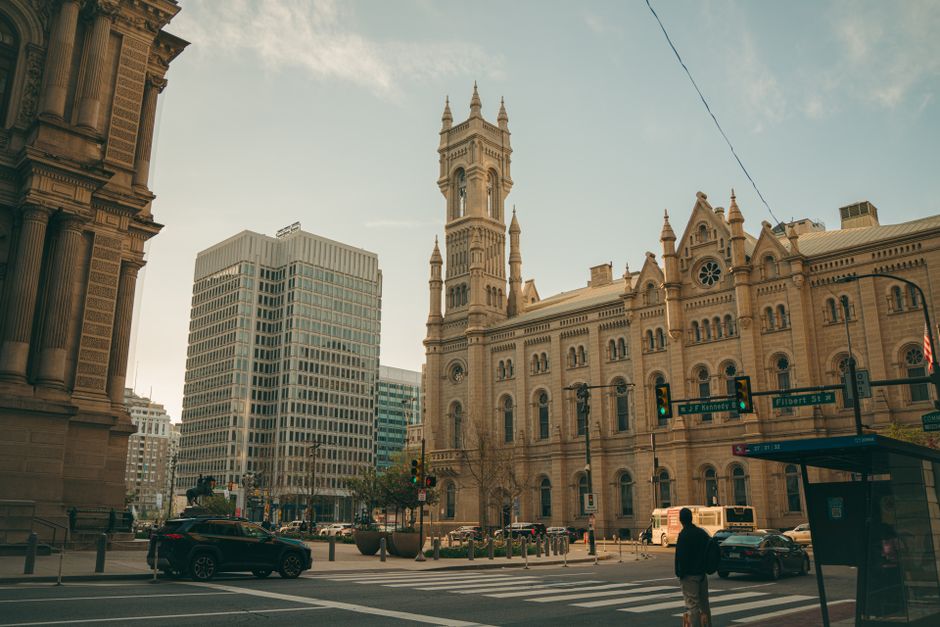
Transit sense: T light rail versus walking at night
Pittsburgh's T light rail is clean and fairly reliable, and I used it multiple times without incident. During normal operating hours, it feels safe. The cars have enough people that you're not isolated, and the system is simple enough that you won't spend time confused at a station at 2 a.m. The catch is exactly that: last trains aren't running at 2 a.m., so late-night transit isn't an option anyway.
For nighttime travel, rideshare or taxis beat walking in unfamiliar neighborhoods every time. It costs maybe $8 to $15 across the city, and the peace of mind is worth it. Residents will tell you the same thing. Even in good neighborhoods, a solo traveler on foot at night is more vulnerable than in a car, period.
During the day, walking is how you actually get to know a place. Just read the neighborhood first. Use Google Maps or ask at your hotel. Stick to main commercial corridors. This isn't paranoia—it's how you distinguish between a block with shops and activity versus a residential block that feels off.
Street-level awareness: what actually works
Visible valuables attract attention everywhere. Phone out constantly while walking? Earbuds in? Expensive camera hanging around your neck? These things don't guarantee a problem, but they do make you a target of opportunity in neighborhoods already dealing with petty crime. I kept my phone in a pocket, wore one earbud at most, and didn't flash expensive gear. This is baseline stuff, not Pittsburgh-specific.
Trust the vibe check. If a block feels actively uncomfortable—sparse, neglected, no apparent legitimate foot traffic—just don't walk it at night. A two-block detour to a main road costs you nothing and keeps you from testing your luck.
Talk to people. Residents and hotel staff aren't going to lie to you about which neighborhoods to avoid. They live there. They know. Pittsburgh people in my experience are straightforward—ask if a route is safe, and you'll get a straight answer.
Weather and seasonal shifts
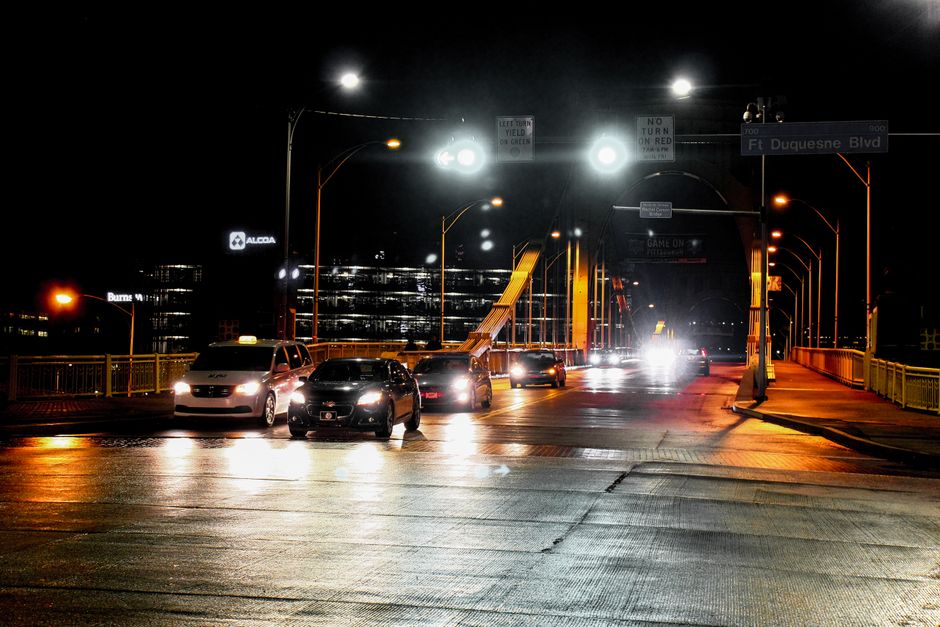
Pittsburgh winters are dark and gray, and darkness descends by 5 p.m. in December. That psychological shift matters more than people admit. A neighborhood that feels fine at 6 p.m. in summer feels different at 5:30 p.m. in January when it's already pitch black. Be aware of this—it affects your schedule and routes more than any actual increase in danger.
Ice and snow create their own hazards. Pittsburgh hills can be treacherous when icy, and sidewalks aren't always cleared quickly. This isn't a crime issue, but it's a real safety issue for solo travelers unfamiliar with the terrain.
The actual likelihood you'll encounter trouble
I spent two weeks in Pittsburgh and the worst thing that happened to me was a confused parking meter situation. I'm not special or particularly lucky. Most solo travelers move through the city without incident because most of the city is fine most of the time, and basic precaution eliminates most of the actual risk.
Pittsburgh isn't a city where you're statistically likely to be robbed or assaulted if you follow basic sense. It's not some fortress you need to fear. It's a real, lived-in American city with real neighborhoods where resources and safety vary. Some blocks are significantly better than others. Some hours are better than others. Knowing that difference—and adjusting your behavior accordingly—is enough. It always has been.