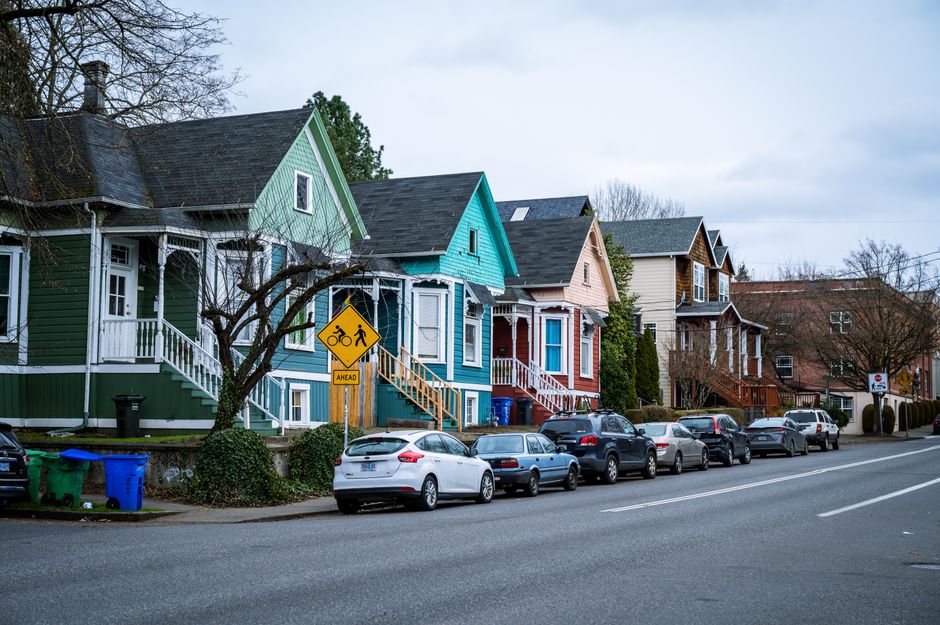
I landed in Portland on a gray October afternoon—my third time visiting, this time seriously considering it as a place to spend my later years. The city felt familiar enough: coffee shops, bookstores, the Willamette River cutting through downtown. But I was here to ask the questions nobody asks on a weekend trip. Can you actually afford to retire here? Will you get decent medical care? And is the rain really as relentless as people say?
Those questions led me down neighborhood streets, into conversations with people who'd already made the move, and through some actual numbers. Portland isn't a retirement cliché—it's not Florida, not Arizona, not even Colorado's mountain towns. What it offers is more complicated, and honestly, more interesting.
The Money Reality: Not Cheap, But Not Bay Area Either
Portland's cost of living has climbed steadily over the past decade, but it's still well below Seattle, San Francisco, or the Northeast corridor. Housing is the biggest variable. If you own a home outright—which many retirees do—the monthly burn rate drops dramatically. If you're buying or renting, a modest two-bedroom in the city proper runs $350,000 to $550,000 depending on neighborhood, and rents hover around $1,400 to $1,800 for something decent.
Groceries, utilities, and dining out are roughly in line with national averages, maybe slightly high because of the local market preference for organic and local products. If you eat out constantly, you'll spend more. If you cook at home and shop deliberately, you won't. Property taxes in Oregon are moderate compared to Washington or California—the statewide rate is around 0.97% of assessed value—but Oregon does have state income tax, which matters if you're drawing retirement income. That said, Social Security benefits are not taxed in Oregon, a benefit for some retirees.
The real cost-of-living advantage shows up if you move to surrounding suburbs or towns outside the metro. Lake Oswego, just south of the city, skews wealthier and runs hotter on prices. But places like Milwaukie, Hillsboro, or towns farther out in the Willamette Valley offer noticeably lower housing costs while keeping you within reasonable driving distance of the city's hospitals and amenities.
Healthcare: A City Strength, With Some Caveats
Portland's healthcare infrastructure is solid. Oregon Health & Science University Hospital (OHSU), perched on Marquam Hill, is a major medical center and research facility. Legacy Health and Providence Health both run substantial networks across the metro area. If you need specialized care, you have options without flying out of state. That matters when you're managing chronic conditions or need coordinated long-term care.
The catch is distribution. If you retire in a walkable urban neighborhood, you're probably within reasonable distance of a major medical complex. If you settle farther out—say, in the Gorge communities or some of the smaller towns east of Portland—your options contract. Rural Oregon, period, has fewer specialists and longer wait times for non-emergency procedures. It's worth checking which healthcare networks serve your specific neighborhood before you commit.
Weather: Grey Wins, But Cold Doesn't
Let's get the obvious part out of the way: Portland is overcast and drizzly from October through April. That's not hyperbole—it's the regional climate. If you're someone who physically struggles with gray weather or seasonal depression is a real factor for you, this is the conversation killer. You're not going to have the bright dry winters of Arizona or Southern California.
That said, the rain isn't usually torrential. It's steady, light rain. Temperatures stay moderate—winters average in the 35-45°F range, and summer highs are typically 75-85°F. You're not dealing with the brutal heat of inland West Coast cities, and you don't need heavy snow removal equipment. Some people move here specifically because they find this climate comfortable: no shoveling, no AC dependency, no baking heat. If you're one of them, Portland's weather becomes an asset rather than a drawback.
Summer is legitimately nice. June through September are mostly clear, warm, and dry. If you can enjoy three months of excellent weather and tolerate six months of rain, you'll do fine. If you need constant sunshine, be honest with yourself. This is not the place.
Northeast Portland: Urban Living With Room to Breathe
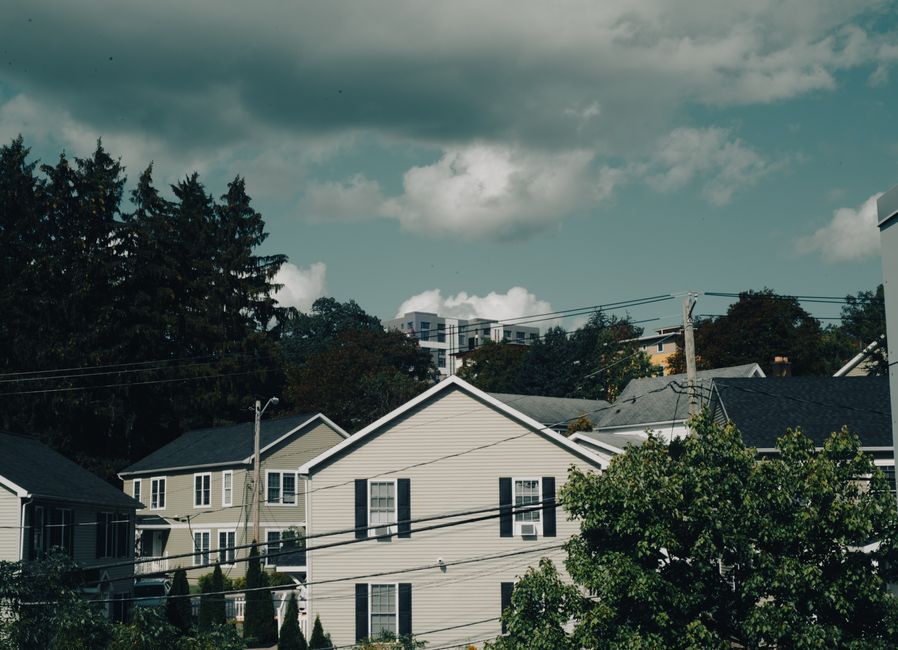
Walk through the Irvington or Beaumont neighborhoods on a Saturday and you'll see retirees shopping at local markets, sitting in coffee shops, walking to restaurants. These established neighborhoods—east of Interstate 5, north of Burnside—offer older homes with character, walkable commercial strips, and the kind of human density that keeps you engaged without feeling crowded.
The neighborhoods aren't cheap, but they're cheaper than West Hills or the Pearl District. You can find a solid 1,200-square-foot house in Irvington for $450,000 to $550,000, depending on current market conditions. Rent a small apartment in the same area and you're looking at $1,200 to $1,500 per month. The real draw is that you can walk to the library, the grocery store, restaurants, and medical clinics. If you're retiring and want to stay engaged with urban life without driving everywhere, this is where many people land. The downside: street parking can be tight, and you're dealing with typical urban noise and density.
Lake Oswego: Manicured Suburbs South of the City
Lake Oswego, just south of Portland via Highway 43, is where you go if you want suburban polish with urban proximity. Tree-lined streets, good schools (though that matters less to retirees), parks, and a downtown area with shops and restaurants. The town has a distinctly wealthier feel—it's been a high-income suburb for decades—and the housing prices reflect that. You're looking at $600,000 to $1.2 million for a decent home, depending on lot size and proximity to the lake itself.
The appeal is obvious: excellent parks, a strong sense of community, Wilsonville just south offering more suburban amenities, and easier driving access to the rest of the Portland area. Healthcare is good—Providence Health runs clinics there. The trade-off is that it's car-dependent in a way that Northeast Portland neighborhoods aren't, and you're paying a premium for the suburban comfort and school-district reputation. If you're retiring with solid savings and you want a manicured, quieter environment, Lake Oswego works. If you're budget-conscious or you want walkability, look elsewhere.
Small-Town Option: Corvallis and the Willamette Valley
About 45 minutes south of Portland, Corvallis is home to Oregon State University and has the cultural infrastructure that college towns provide. The downtown is walkable, there's a farmers market, local restaurants, and a younger-skewing population keeps things from feeling too sleepy. Housing is notably cheaper—a three-bedroom house can run $350,000 to $450,000, and rent for a one-bedroom is often $900 to $1,200.
The healthcare situation is reasonable but not exceptional. Samaritan Health Services runs hospitals and clinics, and for serious complications you can reach Portland or Eugene in under an hour. The weather is the same gray-and-rain pattern as Portland, so that's not an advantage. The upside is a smaller, friendlier town feel, lower cost of living, and access to the Willamette Valley's vineyards and agriculture without being in wine-country tourist zones. If you want to retire on a tighter budget and don't need cutting-edge specialized healthcare on your doorstep, Corvallis is worth a serious look.
Other Willamette Valley towns like Salem (the state capital, slightly larger and more bureaucratic) and Keizer (smaller, quieter) offer similar patterns: lower costs, adequate healthcare and amenities, the same weather as Portland, and less of the urban energy that makes Northeast Portland appealing to some retirees.
The Taxes Question: Oregon's Income Tax, Social Security Exception
Oregon has a state income tax—one of the higher rates in the country—which affects how you structure your retirement income. If you're living on distributions from an IRA, 401(k), or investment accounts, you'll owe Oregon income tax on those earnings. Social Security benefits are not taxed in Oregon, which is a real benefit if that's a significant portion of your income. Property taxes are moderate, and there's no sales tax in Oregon at all, which saves some money on everyday purchases.
I'm not a tax advisor, and your situation depends entirely on your income sources and state of origin. The point is that Oregon's tax structure is one factor to model carefully before you commit. If your retirement plan relies heavily on taxable investment withdrawals, Oregon's state income tax will be a real line item. If you're mostly living on Social Security and can manage your withdrawals strategically, the impact is smaller. Talk to an accountant who knows Oregon tax law before you make the move.
The Honest Assessment
Portland is a legitimately good place to retire if you fit a specific profile: you're comfortable with gray, rainy weather; you have enough savings to handle mid-range housing costs or you own a home outright; you value walkable neighborhoods and cultural amenities; and you don't need year-round sunshine or low cost of living above all else.
It's not the place if you're stretching financially, if seasonal depression is real for you, if you need extensive specialized medical care not available in the Portland metro, or if you're looking for an affordable small-town retirement in a sunny climate. There's nothing wrong with not being a fit—Portland isn't for everyone, and pretending it is doesn't help anybody.
What I found after spending time here, talking to people who've actually retired here, is that Portland works best for retirees who are still engaged with the world. The city isn't a resort or a quiet escape—it's an active, quirky place where you'll probably end up trying new restaurants, joining clubs, walking neighborhoods, and generally staying busy. If that sounds appealing, come look around.
Frequently Asked Questions
Is Portland Oregon expensive for retirees
Portland's cost of living is moderate compared to coastal West Coast cities but has risen over the past decade. Housing is the biggest expense—expect $350,000 to $550,000 for a home in the city, or less in surrounding suburbs and towns. If you own your home outright, monthly costs become manageable. Groceries and utilities are roughly national average, but Oregon has state income tax on most retirement withdrawals (though Social Security is exempt), which matters for your overall tax picture.
What is the healthcare like in Portland Oregon
Portland has solid urban healthcare infrastructure, with OHSU Hospital, Legacy Health, and Providence Health running major medical networks. Specialized care and urban doctors are accessible. However, rural areas outside Portland have fewer specialists and longer wait times. If you're choosing a neighborhood or town outside the metro, check which healthcare networks serve that area before retiring there.
Does it rain a lot in Portland Oregon
Yes. Portland is gray and drizzly from October through April—expect steady, light rain rather than heavy downpours. Winter temperatures stay mild (35-45°F), so no heavy snow. Summer (June-September) is mostly clear and warm. If gray weather triggers seasonal depression or you need constant sunshine, Portland isn't a good fit. If you can enjoy a few months of excellent weather and tolerate rain the rest of the year, you'll adapt fine.
What neighborhoods are best for retirees in Portland
Northeast Portland neighborhoods like Irvington and Beaumont offer walkable streets, local shops and restaurants, and good access to amenities without driving constantly—they appeal to retirees who want urban engagement. Lake Oswego, a suburb south of the city, provides quieter, more manicured suburban living at higher prices. Corvallis, 45 minutes south, is a smaller college town with lower housing costs. Each neighborhood suits different retirement preferences and budgets.
Which neighborhood would you retire in?