
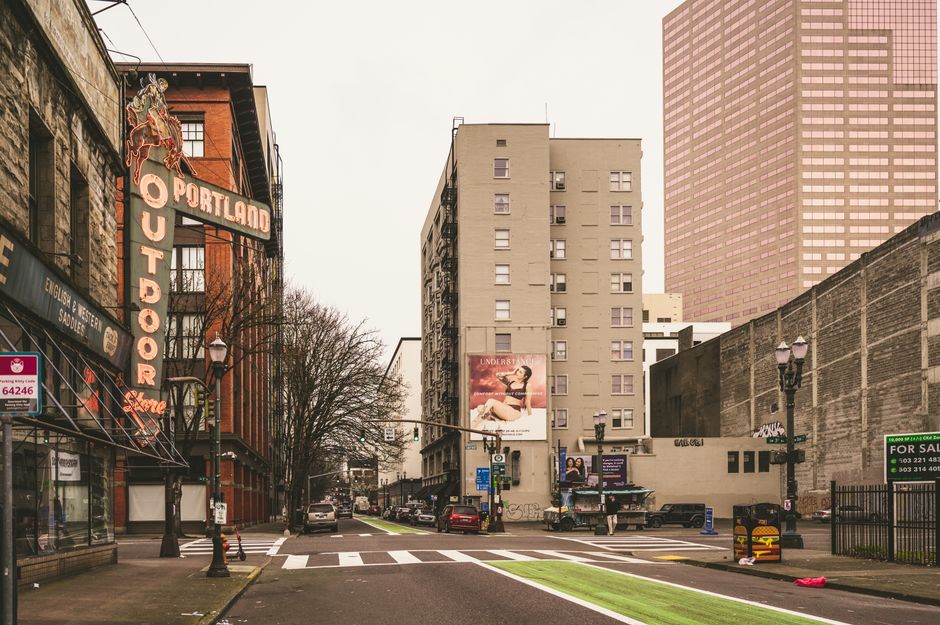
I've been coming to Portland for years, and I'll be straight with you: it's a real city. That means it has genuine neighborhoods worth exploring and genuine blocks where you shouldn't linger after dark with your phone out. The good news is that most of Portland is entirely manageable for solo travelers who pay attention and use basic street sense.
The Pacific Northwest has a reputation for being laid-back, and Portland mostly lives up to that. But the city has wrestled with homelessness, addiction, and property crime in ways that have become more visible in certain corridors—particularly downtown and in pockets of East Portland. I'm not here to oversell danger or paint the city as unsafe. I'm here to tell you where to be cautious, when, and how.
Downtown Core After Dark
Downtown Portland (roughly between the Willamette River and NW 23rd) can feel hollow and a bit sketchy once the business crowd leaves, especially on weeknights. Blocks around Pioneer Courthouse Square and the transit mall—SW Alder to SW Stark, between SW 3rd and SW 6th—see a concentration of loitering, aggressive panhandling, and street-level drug activity that locals and visitors both notice. This isn't new. It's been documented by the Portland Police Bureau and written about extensively in local media.
That said, downtown isn't off-limits. The Pearl District (north and west) has gentrified significantly and feels safer, especially around galleries, restaurants, and the waterfront. Powell's Books (SW Burnside at SW 10th) draws crowds and stays well-lit. But if you're walking alone through the central business district late at night—past 10 p.m., say—stick to major avenues, keep your headphones off, and consider rideshare or a cab. During the day, downtown is fine for exploring.
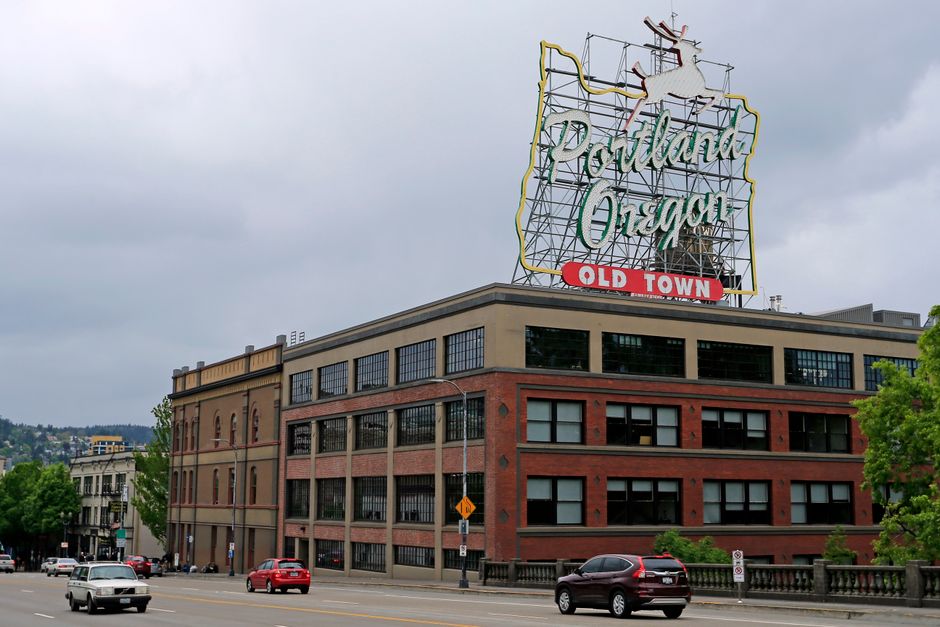
Burnside and the Old Town Corridor
Old Town/Chinatown (NW 2nd and 3rd around Burnside) has character and some solid restaurants and bars, but it's another area where street-level activity concentrates, particularly as evening deepens. SW Burnside itself, especially moving east toward SE 12th, carries a different feel once darkness hits. There are good reasons to be here—the Lan Su Chinese Garden is beautiful, some restaurants are genuinely excellent—but don't assume the vibe at 6 p.m. is the same at midnight.
The MAX Red Line runs through here and is generally reliable, but solo travelers waiting for transit late should stand near the shelter and other people. The line itself is usually okay, but platforms and stations in this area can draw street-level conflicts.
East Portland: Know Before You Go
East Portland—everything east of the Willamette up to roughly SE 82nd—contains both vibrant neighborhoods and blocks that struggle with poverty, crime, and visible disorder. This is where the city's most acute problems live. SE 82nd itself has seen increases in gun violence and car theft. Areas around SE Powell Boulevard and extending into Gresham have similar issues. These aren't places solo travelers typically need to visit; there's very little tourist infrastructure or reason to wander around at night.
But here's the nuance: East Portland is also home to excellent ethnic food scenes, independent bookstores, and neighborhoods like Hawthorne (closer to the center) and Division that are vibrant and fine to visit during daylight. The problem areas are specific blocks and specific times, not entire quadrants. If you're thinking of exploring, go during the day, use main commercial corridors, and trust your gut.

Practical Safety Habits That Actually Work
Most people visiting Portland don't run into trouble because they follow basic precautions that work anywhere. Don't walk alone through empty blocks late at night. Don't keep your phone or expensive camera visibly in hand on the street. Don't sleep in your car parked on random downtown streets. Don't leave items visible in a rental car. These aren't Portland-specific—they're city basics.
Use the MAX (light rail) and TriMet buses during normal hours without worry. The system is safe in the daytime and early evening. Late night, the same rules apply: sit near other people, trust your instincts. Walking is generally fine on main commercial streets (NW 23rd, SE Hawthorne, Division, Alberta) day or early evening. If you're out past 10 p.m., a rideshare or cab is worth the $12–15.
Neighborhoods That Are Actually Fine
Let's balance this out. Ballard (NW 20s and surrounding blocks) is residential, tree-lined, and safe. Nob Hill (NW 23rd from the park northward) is upscale and well-traveled, especially the shopping and restaurant stretch. Southeast neighborhoods like Belmont, Clinton, and the quieter parts of Division are where young professionals live—they're fine for daywalking and early evening strolling. Hawthorne Boulevard is a longtime favorite of visitors and locals. Washington Park, the Japanese Garden, the International Rose Test Garden—all perfectly safe and well-maintained.
The South Waterfront is newer development, well-lit, and commercial. North Park Blocks and surrounding areas near Portland State University are crowded with students and feel active and safe. If you're staying in these zones or spending your day here, relax. You don't need to be paranoid.

Transit and Getting Around Safely
Portland's public transit is extensive and generally reliable, which makes solo travel easier. The MAX light-rail system covers main corridors—downtown to Lloyd Center, out to the airport, to the waterfront. TriMet buses reach most neighborhoods. Both work fine during the day. Evening service is fine too if you're using it deliberately (heading to dinner, heading home from a show).
What to avoid: Don't wait alone on a platform late at night, especially in downtown stations. Don't take a TriMet bus on an empty late-night route if you could rideshare instead. Do use the Night Owl bus service if you're out late—it's a backup option. Rideshare (Uber, Lyft) is widely available and typically $8–25 depending on distance. A cab is also reasonable. These aren't luxuries—they're practical.
Property Crime and Street-Level Hassle
Portland's biggest actual problem isn't violent crime—it's property theft and bike theft. Car break-ins are common if you leave anything visible. Bike theft is endemic. Even secured bikes disappear. This isn't a safety issue in the sense of personal risk; it's an annoyance issue. Don't leave your bag on a café chair. Lock your rental car. If you're cycling, assume your bike might vanish and accept that or don't bike.
You'll also encounter panhandling and street-level asks for money. Most are low-key. Some people can be pushy. It's not threatening in the violent sense, but it can make you uncomfortable if you're not used to it. A firm "no thanks" and moving on is standard. Don't engage, don't argue, don't show cash.
Real Talk
Portland is a city where homelessness is visible, where some people are struggling with addiction visibly on the streets, and where certain blocks have a frayed feeling. This is real and worth acknowledging honestly. It's also not uncommon for West Coast cities, and it doesn't make Portland inherently unsafe for visitors who are aware.
I've felt safer walking alone through most of Portland than I have in other major U.S. cities. The violent crime rate, while higher than some suburban areas, is moderate by city standards. The risk to a solo traveler sticking to main areas and using common sense is low. The key word is awareness. Know where you are. Notice the vibe. Trust your instincts. And don't be shy about taking a rideshare instead of a long walk late at night. That's not paranoia—that's just travel sense.



