
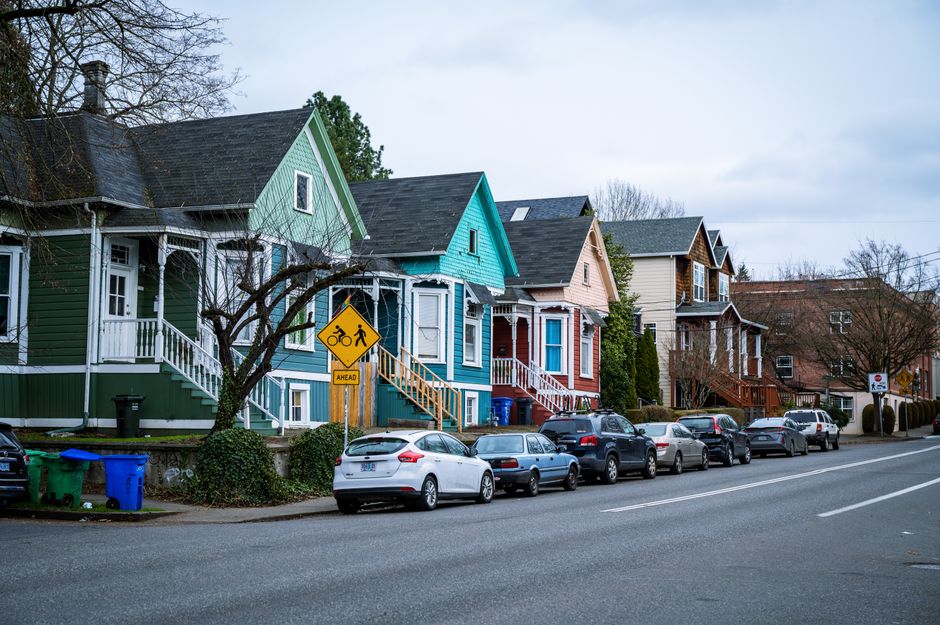
I rolled into Portland on a drizzly October afternoon, the kind of gray that doesn't feel oppressive—just comfortable, like an old sweater. The city's reputation precedes it: weird, artsy, coffee-obsessed, and supposedly retirement-friendly for certain types of people. But after spending time here talking to people actually living through their sixties and beyond, I realized the answer to whether Portland works as a retirement destination is far messier and more interesting than the tourism board would suggest.
The question of retiring in Portland isn't really yes or no. It's about who you are, what you value, and whether you're willing to make some trade-offs. Some retirees I met couldn't imagine leaving. Others admitted they'd made a mistake. Let's dig into what actually matters.
Cost of Living: The Complicated Picture
Portland's cost of living sits somewhere between "affordable West Coast city" and "wait, that's how much?" Housing prices have climbed steadily over the past decade. You can still find older homes in many neighborhoods for less than you'd pay in Seattle or the Bay Area, but the sweet deals are becoming rarer. A modest one-bedroom condo in decent neighborhoods runs $250,000 to $400,000 depending on location. Renting is another story—studios and one-bedrooms hover around $1,200 to $1,600 monthly, which isn't cheap when you're on a fixed income.
Groceries and utilities are reasonable. A meal out costs what you'd expect in a mid-sized American city. The real variable is your lifestyle. If you enjoy dining at the numerous restaurants scattered across the city, taking classes at Powell's Books, or attending the numerous festivals and cultural events, those costs add up. A retiree living quietly in the suburbs can get by on $2,000 to $2,500 monthly pretty comfortably. One with hobbies and social interests might need closer to $3,000 to $3,500.
Healthcare Access: Solid but Not Perfect
Oregon Health & Science University (OHSU) is the major medical hub, perched in the hills southwest of downtown. It's a legitimate research and teaching hospital with good specialties. Providence Health, Legacy Health, and other systems operate throughout the metro area, so you have options rather than being locked into one provider.
The catch: rural Oregon's healthcare situation is bleaker, so if you're considering smaller towns nearby, that matters. Within Portland proper, you'll find cardiologists, orthopedists, rheumatologists, and other specialists without excessive wait times. Primary care can be trickier during flu season—many practices aren't accepting new patients—but it's manageable if you plan ahead. Dental and vision care prices are market-rate, not particularly cheap or expensive compared to other regions.
Rain, Gray, and Actual Seasons
Let's address the elephant: yes, it rains a lot here. But "a lot" means frequent drizzle and overcast skies from October through May, not constant downpours. July and August are genuinely dry and pleasant. Winters are mild by American standards—freezing snow is rare, and temperatures rarely drop below the low 30s.
If you have arthritis or seasonal mood issues, the persistent gray matters. Several retirees I spoke with moved here expecting the Pacific Northwest mystique and relocated within a few years because the lack of sun wore on them. Others, particularly those from the Midwest and Northeast, found the mild winters and absence of shoveling a genuine blessing. This is worth sitting with honestly. If you've always needed sunshine and warmth, Portland's November through February might not improve your mood or your joints.
Taxes: Oregon Specifics Worth Understanding
Oregon has no sales tax, which is genuinely useful on the margin. The state income tax is progressive and rates reach around 9.9% on higher brackets—not the lowest in the nation, but comparable to many states retirees consider. Oregon does tax Social Security income, though there are exemptions based on age and total income that phase in at 67. These details matter significantly if you're living primarily on Social Security, pensions, or distributions from taxable accounts.
Property taxes are moderate by national standards, though the exact rate depends on county and local levies. If you own a home outright, property taxes typically run $800 to $1,200 annually per $100,000 of assessed home value, though this varies. Many retirees come to Portland specifically because they've done the math and found the overall tax burden manageable compared to their previous state. It's worth running actual numbers with an accountant, not just assuming. Federal tax treatment of retirement accounts is the same regardless of where you live, so that's not a Portland variable.
Southeast Portland and Neighborhoods Like Hawthorne
Hawthorne and the surrounding southeast neighborhoods draw a particular type of retiree: artsy, walkable-minded, comfortable with density and younger neighbors, inclined toward coffee shops and bookstores. Housing prices here are high, but many older apartment buildings offer more affordable rents in the $1,200 to $1,500 range for one-bedrooms. You're walking distance to food carts, restaurants, and small shops. The bus system works decently if you don't drive.
The trade-off is noise, younger crowds, and the feeling that you're not quite a "neighborhood person" if you're a quieter, more conventional retiree. I met several people in their seventies who thrived here and others who moved within a year because they wanted less stimulation and more space. The neighborhood feels perpetually young, which appeals to some and exhausts others.
Outer Southeast and Southwest: Quieter and More Affordable
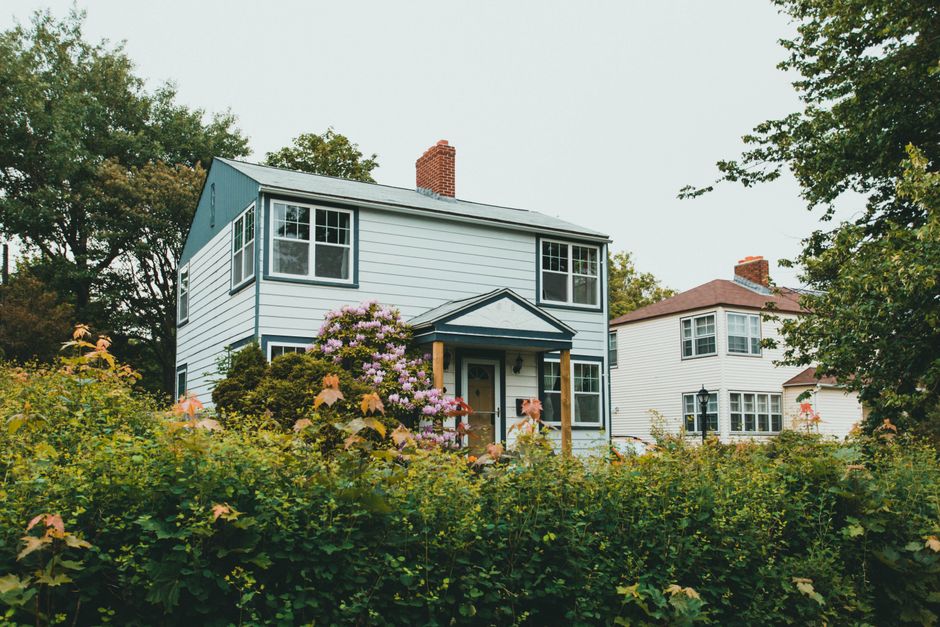
Move out toward Gresham or the outer southwest neighborhoods like Multnomah, and you find older, quieter residential areas with bigger houses, garages, and actual yards. Prices drop. A modest home here might run $200,000 to $300,000, and rentals are $1,000 to $1,300 monthly. You're trading walkability for space and peace. The neighborhoods feel older, less trendy, more conventional—which is exactly what some retirees want.
Gresham specifically has become popular with retirees who want to be in the metro area without downtown prices. It's a working-class suburb with decent parks, a farmer's market, and a genuinely functional downtown. You'll drive more, but you won't feel like you're constantly competing for sidewalk space with twenty-somethings.
Nearby Towns: Corvallis, Salem, and the Willamette Valley
If you're willing to live within 30 to 90 minutes of Portland but want a smaller-town feel with lower costs, the Willamette Valley towns are worth considering. Corvallis, home to Oregon State University, has a built-in cultural life—lectures, performances, community classes—that appeals to engaged retirees. The town is compact and walkable. Housing is noticeably cheaper than Portland proper. Salem, the state capital, offers similar benefits with a slightly different vibe—less college-town energy, more government-worker stability.
The downside: these towns still have Pacific Northwest weather, and healthcare options shrink once you're outside the Portland metro. If you need frequent specialist care, you're driving back to the city regularly. But for retirees who value community and lower costs over urban amenities, these places deliver.
The Real Bottom Line
Portland works as a retirement destination if you like mild winters, don't mind frequent rain, have moderate healthcare needs, and either have resources for the city proper or are willing to live on the outer edges or in satellite towns. It works especially well if you're the type of retiree who engages with community, seeks out cultural events, and values walkability and public transit.
It doesn't work as well if you absolutely need sunshine and heat, prefer driving to everything, require extensive specialist care, or want to stretch a modest retirement income as far as possible. In that case, you're probably better off in Arizona, parts of California, or the Southwest.
The honest answer I kept hearing from established retirees here: do a trial. Rent for a winter. See if the rain and the pace fit your life. This city's appeal is real, but it's also specific. There's no universal right answer—only the right answer for you.



