
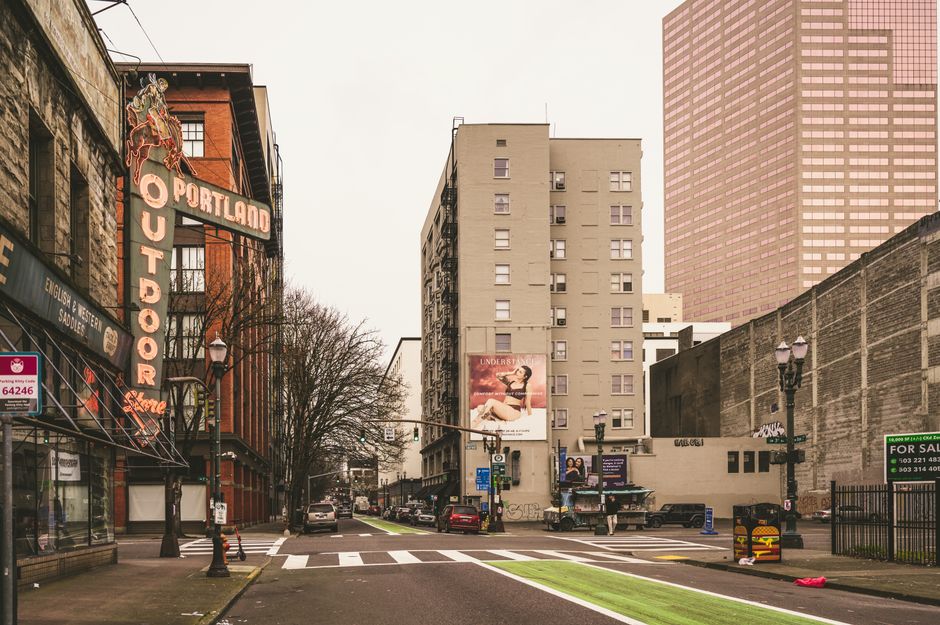
I've landed in Portland three times now, and every time I'm struck by how much the city actually works. The coffee is genuinely good. People are friendly without being performative. And yeah, there's the reputation — the one that gets blown up online and in national news cycles whenever things get dicey.
Let me be straight: Portland has real challenges, especially downtown and in certain corridors where homelessness, addiction, and petty crime are visible problems. But "Portland is dangerous" is a lazy, incomplete picture. Neighborhoods like Hawthorne, Belmont, and the Pearl District are vibrant and safe. Thousands of solo travelers pass through here without incident every year. The trick is knowing where to be cautious, when, and how to move through the city like you actually live here instead of like you're visiting a zoo.
Downtown Core and Old Town: Know the Hours
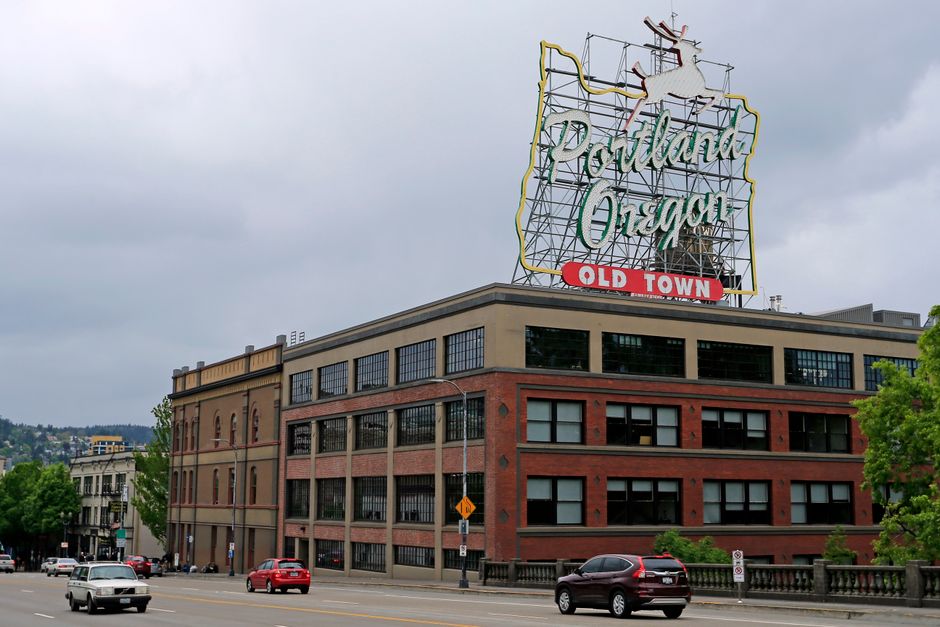
Downtown Portland — roughly between SW Alder and SW Stark, and from the Willamette River west to about 13th Avenue — is where you'll find the most consistent street-level issues. This includes Old Town and parts of the Pearl District. During the day, especially weekday afternoons, it's busy, commercial, and fine. Lots of foot traffic, shops open, construction happening.
After dark, the picture changes. The homeless population becomes more visible around Pioneer Courthouse Square and in sheltered doorways. Property crime (car break-ins, theft from cars) is a documented problem in downtown parking areas and parking garages. You'll see people using drugs openly in some blocks. It's not a war zone, but it's noticeably rougher than, say, 9 p.m. in the Laurelhurst neighborhood.
My rule: do your downtown exploring before sunset if you're alone. If you're going to a restaurant or show downtown in the evening, use ride-share or a cab for the last leg. Park in a well-lit lot and don't leave valuables in your car — this applies everywhere in Portland, really, but especially downtown.
Avoid Parks After Dark, Period
This isn't unique to Portland, but it bears saying because the parks are so nice you'll want to linger. Don't.
Burnside Park, Waterfront Park along the river, and some of the larger green spaces downtown attract transient populations at night. Even in neighborhoods that are otherwise safe, parks become less monitored after dusk. If you want to walk along the Waterfront Park during the day or early evening, go ahead — it's pleasant and usually crowded. But don't take a solo evening stroll through any major park here after dark. The same goes for Forest Park (the massive green space on the north side of the city): beautiful for daytime hiking, sketchy after sunset.
Town Lake and Lacamas Lake, further out, are different stories — those day-use areas tend to be fine and are genuinely worth a trip if you've got time.
Transit and Walking: Practical Precautions
MAX light rail and the bus system are functional and cheap. They're also crowded, and petty theft happens — phone snatching, bag theft, aggressive panhandling. It's not rampant, but it occurs. On transit, don't be the person with their head buried in a phone on a late evening train. Sit near the operator or in well-lit cars. If someone is agitated or clearly on drugs, move.
Walking at night: stick to well-lit, busier streets. Don't cut through alleys or parking lots to shave off five minutes. Use common sense that you'd use in any mid-sized city. Most neighborhoods are fine for evening walks if you're paying attention and staying on main thoroughfares. Just avoid the downtown core, Burnside between 3rd and 10th (known for street issues), and the areas immediately surrounding the downtown Open-Air Recovery Centers.
Ride-share is abundant and affordable. I use it after 10 p.m. almost automatically here, not because Portland is uniquely dangerous but because it's the smart default.

Where You'll Actually Feel Safe: The Neighborhoods to Base Yourself
Hawthorne, Belmont, Division Street, the Pearl District, Northwest Portland (NW 21st and 23rd), and Nob Hill are all vibrant, walkable, and genuinely safe areas where you can move around day and night without hypervigilance. These neighborhoods have good transit connections, restaurants, bars, bookstores, and that Portland character that justifies the hype.
The Pearl District and Northwest are pricier but accessible. Division and Belmont are younger, artsy, cheaper, and excellent for solo travelers who want to actually meet people. Hawthorne is the classic Portland vibe — vintage shops, quirky businesses, pizza, coffee. You can walk around these neighborhoods at 11 p.m. without much concern. Are there occasional incidents? Sure. But the baseline safety is solid.
Southeast Portland (Jade District, Mt. Tabor area, Montavilla) is increasingly developed and safe, though it's more residential and less tourist-geared. Still worth exploring if you want to see how real Portlanders live.
Vehicle Theft and Car Break-Ins: A Real Issue
This is one of the few areas where Portland genuinely stands out in a bad way. Car break-ins are extremely common, especially in downtown parking lots and near transit hubs. Vehicle theft is also documented as higher than the national average.
If you're renting a car, don't leave anything visible inside — not a water bottle, not sunglasses, not a gym bag. Use paid parking lots with attendants when possible. In residential neighborhoods, street parking is generally safer than downtown lots, but still, remove all belongings.
Honestly, if you're solo traveling, you probably don't need a car in Portland. The city is transit-friendly enough for tourists. If you must drive, the parking headache alone makes you regret it. Use TriMet (the bus and MAX system) or ride-share for getting around.

Drug Activity and Visible Homelessness: What to Expect
Portland has a visible opioid crisis. You will see people using drugs, sleeping rough, and engaging in chaotic behavior. This is especially true downtown and in parts of Burnside. It's disorienting if you're from somewhere more sanitized, but it's not inherently dangerous to you as a tourist.
Use basic situational awareness: if someone is erratic or aggressive, move away. Don't engage with people asking for money — it's fine to say no and walk on. Don't leave backpacks or bags unattended. These rules apply in any urban area.
The city has made incremental progress on this front, with expanded services and some enforcement, but visibility remains high. Part of traveling responsibly is acknowledging that poverty and addiction are concentrated here, and that's a real feature of the city. It doesn't make Portland dangerous for visitors; it makes it a place where you need to be aware of your surroundings.
Practical Gear and Mindset
Backpack with a front pocket for valuables. Phone in your pocket, not dangling. A small crossbody bag rather than a large backpack if you're using transit. Don't dress like you're flaunting wealth. These aren't Portland-specific; they're just urban travel basics.
Keep a mental map of where you are. Downtown blocks run perpendicular to the river — Burnside is the main dividing street between north and south. Knowing which direction you're going is half the battle. Download an offline map on your phone.
Trust your gut. If a neighborhood feels off at night, it probably is. Walk toward brighter, busier streets. This isn't paranoia; it's paying attention.
The Bigger Picture
Portland isn't more dangerous than Seattle or San Francisco. In some metrics, it ranks better than cities of similar size. The narrative of Portland-as-chaos is partly a media amplification, partly political branding, and partly real. The truth is messier and less headline-friendly: it's a livable, interesting city with specific zones and times you should be more careful in, plus some systemic issues that manifest visibly but don't make it unsafe for alert travelers.
Most solo travelers I know who've come here have had good experiences. They've eaten well, met people, seen the bridges and the rain, and moved around without incident. The difference between them and the few who've had problems usually comes down to basic awareness and not being stubborn about the precautions. Go ahead and explore. Just be smart about it.



