
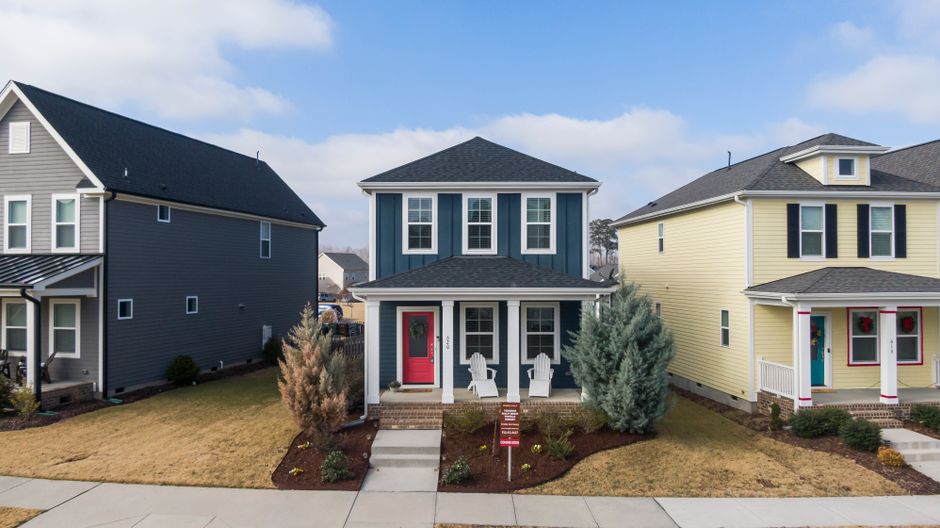
I landed in Raleigh on a humid August afternoon, the kind where the air feels thick enough to drink. I'd come to scope out the city for a piece on retirement relocation—not because I'm retiring myself, but because a surprising number of people I know are considering it. The first thing that hits you walking around downtown is that Raleigh doesn't feel like a retirement destination in the Florida-brochure sense. It's a working city. Tech companies, state government, universities. That matters when you're deciding where to spend the next thirty years.
The question people ask isn't whether Raleigh is pretty—it's whether it makes financial sense, whether the doctors are any good, whether you'll go stir-crazy in the heat, and which neighborhood won't leave you feeling like you're living in a subdivision from 2003. Over the next few days I talked to people who'd moved here, realtors, healthcare administrators, and a couple of tax people who aren't going to tell me to give specific financial advice but will sketch the landscape. Here's what actually matters.
Housing and Living Costs Without the Sticker Shock
Raleigh's cost of living sits roughly 5-10% below the national average, depending on what metrics you're looking at. Housing is the thing people want to know first, and honestly, it's complicated. A solid three-bedroom home in a decent established neighborhood runs somewhere in the $350,000 to $550,000 range—not cheap, but not the $800,000 starter home you'd be looking at in Charlotte or the Research Triangle's pricier pockets. Rental apartments for retirees wanting to test-drive the city or avoid home maintenance run $1,200 to $2,000 for a one- or two-bedroom depending on location and amenities.
Utilities are moderate. You're not paying California prices, but Raleigh summers mean air conditioning bills that aren't trivial. Groceries, dining, entertainment—all within range of the national average, sometimes cheaper. Property taxes in North Carolina average around 0.9% of home value statewide, which is lower than many states retirees flee from. That said, you need to factor in what your particular county or city adds on top. The real conversation with a financial planner happens when you stack taxes, healthcare costs, and housing together, not looking at any one line item in isolation.

Healthcare: What You're Actually Working With
Duke University Health System and UNC Health have significant presence in and around the Triangle, which matters. Raleigh itself has Rex Healthcare, a major regional system with multiple locations including cardiology, orthopedics, and oncology centers. WakeMed Health & Hospitals runs additional facilities around the city. The point: you're not going to be driving two hours for a specialist appointment. Retirement healthcare isn't just about having a hospital nearby—it's about having geriatricians, cardiologists, and ophthalmologists who take Medicare and aren't booked out six months. That infrastructure exists here.
Medicare is standard, and most practices in the area accept it, though you'll want to verify with any specific doctor. Prescription drug costs, urgent care access, and quality of life around medical support are all solid. The city also has several assisted living and continuing care communities scattered through the suburbs, so if you're thinking ahead about what happens if you need more support down the road, the options are there and they're not all equally priced or staffed. That requires actual due diligence, though—reputation matters and varies.
Taxes: State Level and What Sticks Around
North Carolina doesn't tax military retirement pay or the first $4,200 of other retirement income per taxpayer (as of recent years, though laws change). That's meaningful if you're drawing a military pension. Beyond that, the state income tax maxes out at 4.99%, which is lower than many northeastern and western states. Social Security income isn't taxed at the state level, which is a real perk for retirees who've built savings and are living partly off that.
Where you need to pay attention is property taxes and sales tax. Sales tax statewide is 4.75%, but Wake County (where Raleigh sits) allows additional local sales tax, bringing it to 6.75% or 7% depending on what you're buying. Property taxes, as mentioned, run roughly 0.9% of assessed home value, but that can shift based on city and county budgets. The important thing is not to take a retirement blog's word for it—talk to a tax professional who knows North Carolina rules, because the difference between your state taxes in Ohio versus here might be $2,000 or $8,000 depending on your specific situation. Don't optimize for one line item and blow up the others.

Weather and What Four Seasons Actually Means
Summer in Raleigh is hot and humid. Ninety degrees with 70% humidity is normal for July and August. You'll be inside a lot, or at least not doing outdoor activities mid-afternoon. Winters are mild by northern standards—rarely below freezing for extended stretches, light snow maybe once or twice a season. Spring and fall are genuinely pleasant, the kind of weather that reminds you why you didn't want to retire in Florida or Arizona. The growing season is long, which matters if you're into gardening. The pollen count is something people with allergies complain about, and they're not wrong; March and April can be rough.
Rain is frequent but not typically torrential. Hurricanes are a consideration—they don't hit Raleigh directly often, but tropical storm remnants bring wind and rain in September and October. Tornadoes are rare but not impossible. The point is you won't be skiing, and you'll need a good AC unit, but you're also not dealing with the extremes of the upper Midwest or the Southwest. That appeals to a lot of people coming from either coast who want seasons without the ice or the blistering heat.
North Raleigh: Suburban Comfort and Scale
North Raleigh—basically anything north of downtown toward I-440 and beyond—is where you'll find the bulk of newer subdivision development and where a lot of retirement-age people end up. It's convenient, close to shopping and medical facilities, and the housing stock is newer, which means fewer surprises about foundation issues or electrical systems from 1987. Wade Avenue and the areas around Six Forks Road have good walkability compared to deeper suburbs, and you're close enough to downtown to get there in fifteen minutes without feeling urban-dense.
The trade-off is that it can feel generic. You're in a suburb that could be a dozen other suburbs. If that doesn't bother you—if you want a three-bedroom ranch with an HOA that handles landscaping and you're content to dinner at Applebee's and the Wegmans—North Raleigh works. It's practical. Schools are fine if grandchildren factor into your planning. Medical access is easy. What you lose is character and the sense of being in a place with history. Some people who retire here love it precisely because it's low-friction. Others find it deadening after six months.

Central Raleigh Neighborhoods: History and Walkability
Downtown and the older residential areas immediately adjacent—places like Glenwood South, Five Points, and the neighborhoods around Fayetteville Street—offer something different. Smaller older homes, tree-lined streets where you actually see neighbors, walkable to coffee shops and restaurants and galleries. Rents and sale prices tend to run higher than North Raleigh because demand is concentrated. You're also dealing with older homes that need maintenance, narrower streets, less off-street parking in some cases. But if you're someone who wants to walk to breakfast or sit on a porch and watch people pass, this is where that happens.
These neighborhoods have drawn young professionals and creative types, so you're not retiring into a neighborhood of other retirees—you're living alongside people in their thirties. That's either a feature or a bug depending on your temperament. The walkability and restaurant scene are real. Healthcare is accessible. The thing you need to go in knowing is that these areas were working-class or bohemian neighborhoods fifteen years ago, and gentrification isn't finished. You're betting that the trajectory continues to improve, not that it stabilizes or reverses. Most people betting that way have been right, but it's not guaranteed.
Chapel Hill and Smaller Towns: Different Scale Entirely
Chapel Hill, about twenty minutes west, is college-town North Carolina—younger demographics, higher walkability, more restaurants and cultural programming per capita than Raleigh proper. It also has higher housing costs (driven by UNC staff and faculty demand), a much smaller job market if you care about that, and a different political climate than Raleigh's centrist-to-conservative tilt. If you're retiring into intellectual and cultural engagement, Chapel Hill is serious about that. If you're looking for a quiet bedroom town, Durham and smaller places like Cary or Apex (which are technically suburbs but feel separate) might hit the mark better.
Durham has transformed over fifteen years from manufacturing-era decline into a hip, growing city with really good food and younger crowds. It's not a retirement destination in the traditional sense, but some people in their sixties who want an interesting place to live have landed there. Cary is more established-suburban and quieter. The point is that the region has options, and none of them are the obvious retirement-community answer. You have to think about what you actually want to do with your time, who you want around you, and whether quiet or engagement matters more.
Making the Decision Real
People ask me whether Raleigh is a good place to retire, and the honest answer is that it's a good place to retire if it's a good place for you. The costs are moderate without being cheap. Healthcare is accessible. The weather is livable without being dramatic. The neighborhoods have real character differences—you can be suburban, urban-adjacent, or college-town depending on where you land. State taxes are reasonable but not a game-changer on their own. What tips the scale is usually something personal: grandchildren in the area, a job opportunity for a spouse, friends who've already moved here, or just a gut feeling after visiting.
My advice is to come for a week. Don't visit in March when pollen is apocalyptic or in August when you'll hate the humidity. Spend time in the neighborhoods you're considering, talk to people who've already retired here, sit in on a city council meeting if you want a sense of how things actually work. See whether the activity level, the pace, the cost of your coffee, and the friendliness of the grocery store clerk add up to a place you'd want to be. Then talk to a tax person and a real estate agent and run the actual numbers. Because Raleigh will look different in spreadsheet form than it does walking around in October, and both versions matter.
Frequently Asked Questions
Is Raleigh NC a good place to retire on a budget?
Raleigh's cost of living is 5-10% below the national average, with moderate housing costs ($350k-$550k for established neighborhoods), utilities, and property taxes around 0.9% of home value. Rents are $1,200-$2,000 for one- to two-bedroom apartments. North Carolina's income tax caps at 4.99%, and Social Security is not taxed at the state level. However, overall affordability depends on your specific financial situation and current state taxes.
What is the best neighborhood in Raleigh for retirees?
It depends on your preferences. North Raleigh offers newer suburban homes, convenience, and easy medical access but less character. Central neighborhoods like Glenwood South and Five Points provide walkability and older charm but higher prices and ongoing gentrification. Chapel Hill nearby appeals to people wanting cultural engagement and college-town amenities. Tour each before deciding—the best neighborhood is the one that matches how you actually want to spend your time.
Does North Carolina have good healthcare for seniors?
Yes. Raleigh has Rex Healthcare, WakeMed, and access to Duke and UNC health systems in the broader Triangle. Most practices accept Medicare, and specialists including geriatricians and cardiologists are available without long waits. Assisted living and continuing care communities are located throughout the area. You'll want to verify coverage with specific doctors, but the infrastructure for senior healthcare is solid.
What is the weather like in Raleigh for retirees?
Summers are hot and humid (90°F with 70% humidity), winters are mild with rare hard freezes and light snow. Spring and fall are pleasant. Pollen can be heavy in March and April. Hurricanes are infrequent but possible in fall. Overall, you get four real seasons without the ice of the North or extreme heat of the South, which appeals to many people relocating from coasts.
Which neighborhood would you retire in?



