I landed in Raleigh on a Thursday afternoon with the usual solo-traveler anxiety: Is this a place where I can actually walk around, or am I going to spend the whole trip looking over my shoulder? After a few days of moving through different neighborhoods, using various transit options at different hours, and talking to locals who actually live here, I got a clearer picture. Raleigh is not a dangerous city, full stop. But like any mid-sized American city, it has neighborhoods and times of day where street awareness matters more than others.
The upshot: downtown, North Hills, Wade Avenue areas, and the Research Triangle Park corridor are generally safe for solo travelers. Most of the city feels normal and walkable during daylight. The caution zones are real but geographically small, and mostly avoidable if you use basic sense about time of day and your transportation method.
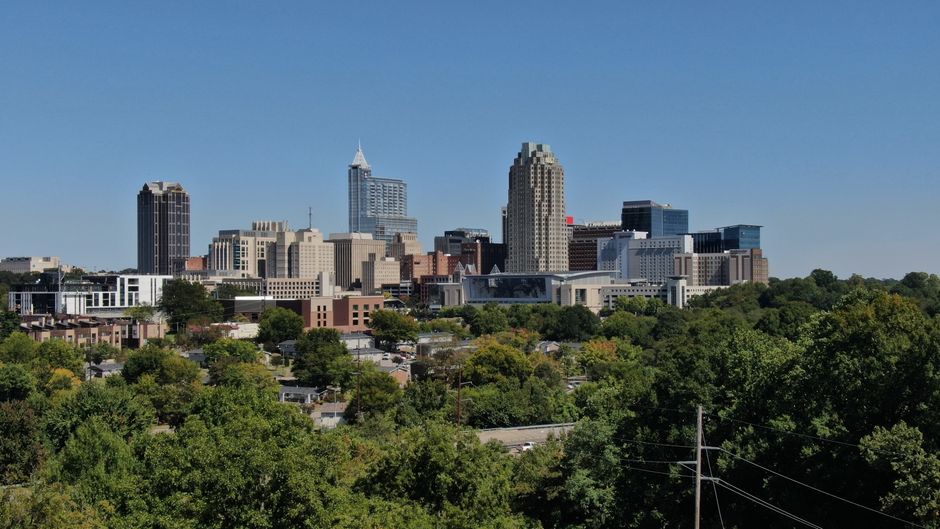
Downtown Raleigh and Fayetteville Street
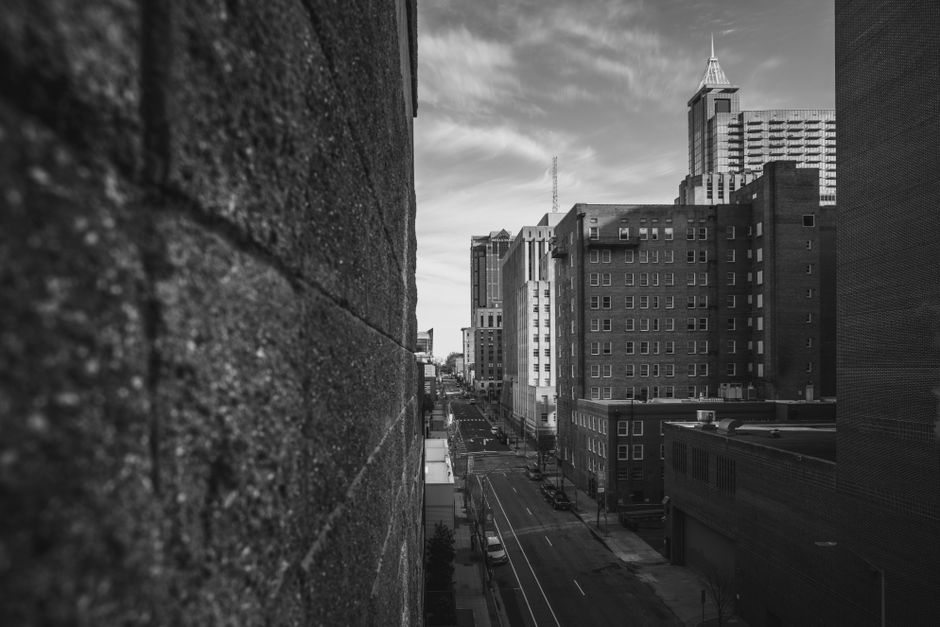
Downtown is where you'll spend a lot of time if you're visiting. Fayetteville Street, the main pedestrian drag, is busy enough during the day that you won't feel exposed. Restaurants, shops, the Capital Building, and the North Carolina Museum of Natural Sciences are all here. I walked it in daylight with no issues.
After dark is a different calculation. Downtown isn't a place I'd recommend solo wandering at 11 p.m. on a random Wednesday. But weekends have more foot traffic, the restaurant and bar scene brings people out, and if you're heading to a specific venue, you can reasonably get there. Use ride-share or rideshare services rather than walking back to a hotel alone at 2 a.m., and you've solved most of the problem. Locals do this routinely. The key is not treating downtown like a theme park at midnight—treat it like you'd treat a downtown area in a mid-sized city.
Neighborhoods to Avoid After Dark
There are a few pockets of Raleigh where locals themselves suggest avoiding long solo walks late at night. Areas east of downtown toward the outer edges of the city—parts of South Raleigh and scattered blocks in East Raleigh—see higher property crime and occasional violent incident reports. These are real patterns noted by police data and resident experience, not rumor.
The important qualifier: you almost certainly won't be heading to these areas on purpose. They're not where hotels, restaurants, or attractions cluster. If you're using Uber or a car service, you'll be fine. If you're walking solo at night, stay in the blocks between downtown, Fayetteville Street, and North Hills—where the restaurants, bars, and lit streets are. That's not a limitation; that's where you want to be anyway.
North Hills and Wade Avenue Corridor
North Hills, the upscale shopping and dining area north of downtown, is totally fine during the day and evening. Good restaurants, it's well-lit, there's foot traffic. I felt safe there at 7 p.m. on a weeknight, solo, stopping in shops and grabbing dinner. This is a busy commercial zone, and it acts like one.
Wade Avenue, which runs through the theater and arts district, is similarly safe. The Gregg Museum, contemporary art galleries, and smaller restaurants along this strip draw a steady crowd. Again, daytime and early evening, no issue. Late night becomes more of a question—fewer people around, fewer lit storefronts—so the standard rule applies: get a ride.

Transit and Getting Around Safely
Raleigh's public transit (Capital Area Transit) is limited compared to cities on the East Coast that have rail. Buses exist, they're cheap, and I used them during midday without concern. Buses during evening hours in less central areas feel less populated, which isn't necessarily dangerous but is worth noting. The safer bet for solo travelers at night is ride-share—Uber and Lyft are available and reasonably priced by North Carolina standards.
Walking during daylight in central areas is normal and fine. Wade Avenue area, downtown, North Hills, the neighborhoods directly around NC State campus—these are places where pedestrian traffic is steady enough that you're not alone. Once the sun gets low and you're in less busy areas, switch to a car. This isn't paranoia; it's how locals navigate, too.
North Carolina State Campus and Surroundings
The NC State campus itself is pretty safe, with campus security present and a young population moving around, especially earlier in the evening. The neighborhoods directly adjacent—Fayetteville Street running through the nearby district, the Warehouse District with breweries—are fine during the day and early evening.
The further you get from the main campus core into residential neighborhoods east and southeast, the more the calculus changes. It's not a war zone, but it's quieter, less trafficked, and less monitored. Solo travelers don't have much reason to wander out there anyway. The action for visitors stays downtown and in the immediate surroundings.
Basic Precautions That Actually Work
Most of what keeps you safe in Raleigh isn't exotic: keep your phone charged, use good lighting when walking, be aware of who's around you, don't flash expensive gear, and use ride-share late at night instead of walking. Share your location with someone. Travel during daylight when you're exploring unfamiliar areas. Don't work alone in a hotel lobby at 2 a.m. with headphones on. These are not Raleigh-specific; they're universal solo-travel wisdom.
One thing worth noting: Raleigh drivers are fine, and the city layout is fairly sensible. You can navigate it, and you won't get desperately lost if you miss a turn. That alone reduces stress.
The Research Triangle and the Big Picture
Raleigh sits inside the Research Triangle, a region defined by Chapel Hill and Durham. The whole area has a white-collar, educated, relatively prosperous feel. That generally correlates with lower crime and more street lighting, and it's true here. The city is well-maintained in the central and northern parts. It's not a rougher Southern city by reputation or actual experience.
Does that mean walk around at 3 a.m. alone? No. But it does mean you can visit during normal hours, stay in central areas, eat dinner at restaurants, walk back to your hotel using a ride-share, and have a totally normal, safe experience. That's the actual reality of visiting Raleigh as a solo traveler.
What I'd Actually Tell a Friend
If you're planning a trip here, don't overthink it. Stay downtown or in North Hills. Do your walking during the day. Use an app to get home after 9 p.m. Don't leave valuables visible in your car. Be aware of your surroundings like you would be anywhere. That's it.
Raleigh isn't Atlanta or Charlotte for size, and it doesn't have the edge of some older industrial cities. It's a mid-sized, growing capital with good restaurants, actual museums, and enough foot traffic to feel alive without feeling chaotic. Solo travelers handle it fine. I did, and I spent time in enough different pockets to feel confident saying that.