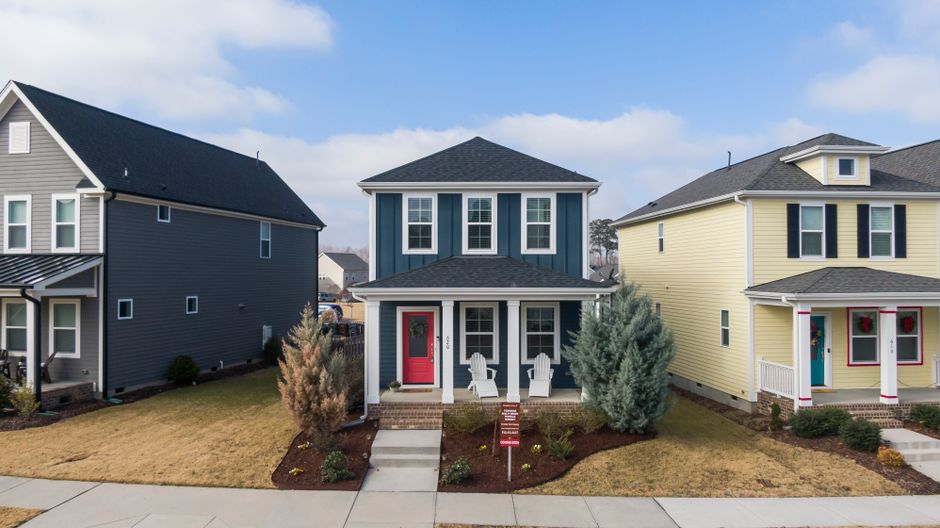
I landed in Raleigh on a March afternoon with the kind of weather that makes you understand why people move here to finish their working years. Mild. Not oppressive. The kind of afternoon where you can walk downtown without melting or shivering.
But "nice weather" isn't a retirement plan. So I spent the next week doing what actual retirees do: checking healthcare systems, sitting in coffee shops talking to people who'd already made the move, pricing groceries, and driving through neighborhoods where you could actually see yourself at 70. The Research Triangle—Raleigh, Durham, Chapel Hill—gets pitched as a growing tech hub full of young professionals, and that part is true. But there's a quieter side to this story that matters if you're thinking about spending your next 20 or 30 years here.
What You'll Actually Spend: Housing and Daily Costs
Raleigh's cost of living sits somewhere in the middle of the American spectrum. Not cheap like rural North Carolina, not expensive like the coastal South. A modest three-bedroom house in an established neighborhood runs somewhere in the $400,000 to $600,000 range depending on location and condition. Condos and smaller homes start lower, but the market has tightened considerably in the last five years.
Groceries, utilities, and restaurant meals feel reasonable compared to most Sun Belt cities. A gallon of milk, a dozen eggs, basic produce—you're not getting gouged. Gas hovers around national averages. Property taxes in North Carolina are among the lowest in the country, which is the real financial win here. The state tax on real property is roughly 0.84 percent of home value, substantially lower than places like New York or New Jersey.
But—and this matters—Raleigh's appeal has driven up prices. If you're coming from a place where you sold a house for $800,000, you can land something decent and have cash left over. If you're on a fixed income and looking for ultra-cheap real estate, you might find better value two hours east or west.

Healthcare: What's Actually Here
This is the non-negotiable question for anyone considering retirement, and Raleigh has some legitimate advantages. Duke University Hospital and UNC Medical Center are both close by—45 minutes to an hour depending on which way you go. UNC also runs a major medical school, which means a constant pipeline of young doctors and research happening locally.
Within Raleigh proper, WakeMed Health & Hospitals operates multiple facilities including a 700-bed flagship hospital downtown. Doctors' offices, urgent care clinics, and specialists cluster around the medical district and scattered through North Raleigh. The question isn't whether doctors exist here—they do, and plenty of them. The real work is vetting which practices take your insurance, what their wait times look like, and whether they're accepting new patients. This doesn't feel different from anywhere else, but it's worth doing before you move, not after.
Raleigh also benefits from being a state capital with a growing population, which means new medical infrastructure keeps getting built. That's not guaranteed forever, but it's true today.
North Raleigh: Established and Premium
North Raleigh is where you see the wealth and the golf courses. Neighborhoods like North Hills, Quail Ridge, and areas around Lake Wheeler have been desirable retirement addresses for 20-plus years. Tree-lined streets, low-key shopping on Wade Avenue, proximity to both downtown and the western suburbs.
Houses here run on the higher end of the local market. You're paying for established infrastructure, good schools (even if your kids are grown, resale values track school quality), and neighborhoods where people have already aged in place. This means the social fabric is there—people who understand retirement, active senior programming, less of that startup-culture vibe you get in younger parts of town.
The tradeoff is price. If you're expecting to downsize and free up equity, North Raleigh will eat a meaningful chunk of it. But if you sold a house somewhere expensive and want to land somewhere stable with decent walkability to coffee shops and doctors, this area works.

Chapel Hill and South Raleigh: Different Calculus
Chapel Hill sits 30 minutes west and carries a completely different personality. Home to UNC and steeped in college-town energy, it's younger, more liberal-leaning, and crunchier than Raleigh proper. Houses are no cheaper than North Raleigh and often more expensive per square foot. But the culture—farmers markets, bookstores, a pedestrian downtown—appeals to retirees who want intellectual stimulation and aren't looking for a golf-cart lifestyle.
South Raleigh neighborhoods like Five Points and Oberlin Village offer slightly more affordable entry points while still staying in the city. These pockets have character—vintage housing stock, local businesses, less suburban sprawl. They skew younger than North Raleigh, with mix of established families and folks just entering their peak earning years. If you're the kind of retiree who wants walkable streets and doesn't need manicured perfection, south-side addresses offer better value.
Both options mean accepting less of the "retirement enclave" feel. You're threading yourself into a neighborhood with kids, young professionals, students. Some people love this. Others find it exhausting.
Cary and the Suburban Ring: Safety and Sameness
Cary, directly west of Raleigh, is where most corporate relocations land. It's planned, safe, and full of retirees—also full of new construction and people in their working years commuting into tech jobs. Houses run slightly higher than South Raleigh but with more predictable HOA rules and generally newer infrastructure.
If you want to be near Raleigh but avoid Raleigh's quirks, the suburban ring—Cary, Morrisville, Wake Forest—offers that trade. Better-lit streets, more standardized neighborhoods, lower crime statistics. The downside is indistinguishability. You could be in Cary or in a suburb of any mid-sized city. The walkability is limited, the character is limited.
For retirees with mobility concerns or those who came from similar suburbs elsewhere, this works perfectly. For people seeking anything distinctive or surprising, it's functional but flat.

The Climate Question: Honestly Livable, With Caveats
North Carolina summers are hot and humid. Not Florida-level brutal, but you're looking at 85-92 degrees in July and August with significant moisture. Most people spend their mornings and evenings outside and retreat indoors during the worst heat. Air conditioning isn't a luxury here—it's essential, and it drives power bills during summer months.
Winters are mild by northern standards but not snowless. You might get a couple of real winter storms, but sustained cold is rare. Many days in January and February are perfectly fine for outdoor activity. Spring and fall are genuinely pleasant—the real gift of North Carolina weather.
If you're moving from somewhere genuinely cold, you'll notice you can walk outside 8-9 months of the year comfortably. If you're moving from Florida or Arizona, summer will feel damp and warm but not oppressive. The humidity is real but it's not something you won't adapt to in a season or two.
Taxes and the Practical Picture
North Carolina has a flat state income tax of roughly 4.75 percent on most income. This is low compared to northeastern states but higher than Florida, Texas, or Tennessee. Social Security income is not taxed in North Carolina, which is a real advantage if that's a major piece of your retirement picture. Retirement account withdrawals face standard income tax treatment.
Property taxes, as mentioned, are genuinely low. Combined with no inheritance tax and relatively simple compliance, the overall tax burden feels manageable. This doesn't mean Raleigh is a tax haven—that's not honest. It means the tax structure doesn't penalize you extra for being retired here, the way some states do.
If you're doing serious tax planning, talk to an accountant who knows North Carolina. Every retiree's situation is different. But nothing about Raleigh's tax regime should disqualify it or make it a slam dunk. It's in the reasonable middle.
The Real Question: Is It For You?
Raleigh works well for retirees who want a real city—walkable spots downtown, decent restaurants, a functioning arts scene—without the cost or pace of major metros. It works for people who've owned homes in the suburbs and want something similar but cheaper. It works if you have or will need solid healthcare and want options close by.
It doesn't work as well if you're looking for ultra-cheap real estate in a rural setting, or if you need a vibrant nightlife scene, or if you're planning to live in a senior-only community. It's not Florida or Arizona—this is a place where you still live in a city with regular people of all ages doing regular life.
Walk around downtown Raleigh. Spend an afternoon in North Raleigh, another in Chapel Hill. Drive through Cary. Talk to people who live here. The logistics—taxes, healthcare, weather, cost—matter, but whether this place feels like home matters more.
Frequently Asked Questions
Is Raleigh NC good for retirement on a fixed income?
Raleigh offers moderate cost of living compared to most U.S. cities, with particularly low property taxes around 0.84 percent of home value. However, housing prices have risen significantly in recent years, and you'll need a solid fixed income to live comfortably. South Raleigh and surrounding suburbs offer better value than North Raleigh or Chapel Hill if budget is your primary concern.
What is the best neighborhood in Raleigh for retirees?
North Raleigh neighborhoods like North Hills and Quail Ridge appeal to established retirees with golf courses, good infrastructure, and a senior-friendly vibe, though at higher prices. South Raleigh and Chapel Hill offer more walkability and character at slightly lower costs. Cary provides predictable suburban safety if you prefer planned communities over urban character.
Does North Carolina tax Social Security and retirement income?
North Carolina does not tax Social Security income, which is a significant advantage. Retirement account withdrawals and pensions are taxed as regular income at the state's flat tax rate of approximately 4.75 percent. There is also no inheritance tax, making the overall tax environment relatively retiree-friendly compared to many states.
What hospitals and doctors are available in Raleigh for older adults?
WakeMed Health & Hospitals operates multiple facilities in Raleigh, with a major 700-bed hospital downtown. Duke University Hospital and UNC Medical Center are located 45 minutes to an hour away, providing access to major medical centers. Before retiring to Raleigh, verify that specific doctors or specialists you need are accepting new patients and take your insurance.
Which neighborhood would you retire in?