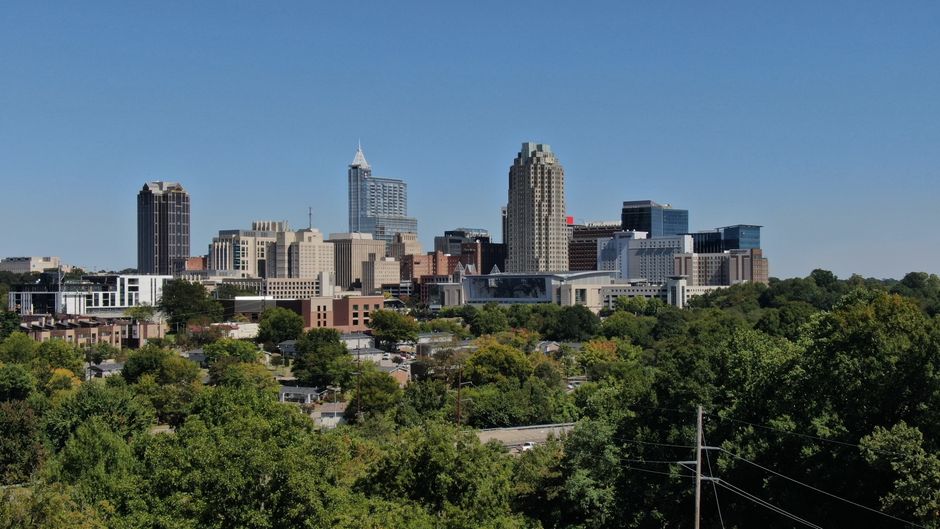
I rolled into Raleigh on a Thursday afternoon expecting the usual tech-hub bustle of a mid-size Southern city. What I found was a place that feels, most of the time, genuinely welcoming and walkable—but like anywhere else, context matters. The Triangle's reputation for safety is largely earned. Police respond quickly. The downtown area hums with energy well into the evening. But I've also talked to enough locals and read enough incident reports to know that certain neighborhoods and certain times of night come with real caveats.
The truth is, Raleigh isn't dangerous. It's a college town mixed with young professionals, families, and a government workforce. Crime rates hover below the national average for cities this size. That said, if you're traveling alone, it pays to know where the softer edges are and how to navigate them. I'm going to walk you through what I learned, block by block.
Downtown and the Convention Center: Generally Your Safest Bet
Downtown Raleigh, especially around Fayetteville Street and the Moore Square area, is where most solo travelers spend their time, and for good reason. The streets are lit, busy during the day, and lined with restaurants, shops, and bars. I walked around here at 10 p.m. on a Friday without incident, and the foot traffic reflects that it's a normal gathering spot.
The convention center district itself is fine. Police presence is noticeable, the surrounding blocks are maintained, and you'll see hotel guests and business travelers coming and going at all hours. The caveat: like most downtown areas, stick to the main streets. Side streets that look empty at night are best avoided—not because they're inherently dangerous, but because isolation itself is a risk factor. If you're heading to dinner, use the lit main routes. If you're going to a bar, grab a rideshare or cab rather than walking back to your hotel through empty blocks after midnight.
East Raleigh and Parts of Edenton Street: Areas Worth Extra Caution
East Raleigh, particularly east of the I-440 ring and neighborhoods around Edenton Street near downtown, has higher concentrations of property crime and occasional violence according to local police data. This isn't to say you'll be targeted—most incidents are opportunistic or tied to specific disputes. But if you're a solo traveler without a car, this is not where you want to end up after dark.
The neighborhoods just off Peace Street, going eastward, also tend to show up in incident reports more frequently. I talked to a couple of locals who live there and mentioned they're careful about timing—they walk during daylight, use cars or delivery services after dark. That's practical wisdom worth following if your route takes you that direction. It's a different character than downtown, with fewer people on the streets and less commercial activity.
West Raleigh and Ridges: Quieter, Generally Safe, But Car-Dependent
West Raleigh—areas around the Ridges, NC State campus edges, and neighborhoods toward Blue Ridge Road—tend to be quieter and safer in terms of crime statistics. Lots of families, students, residential calm. The trade-off is that it's spread out. You really do need a car, or you'll be walking long stretches between destinations.
I spent an afternoon exploring near the NC Museum of Natural Sciences, which sits west of downtown, and felt entirely comfortable. The surrounding blocks are residential and well-maintained. But solo travelers without vehicles should know that you can't just walk from your hotel to these areas and back easily at night. Plan accordingly—rent a car, use a rideshare, or stick to downtown and the arts district.

South Raleigh: The Arts District and Beyond
South Raleigh, particularly around the arts district along South Wilmington Street, is experiencing real development and draws a younger, creative crowd. It feels safe and interesting—galleries, craft breweries, coffee shops, restaurants. I grabbed lunch here on a weekday and saw plenty of solo diners, workers, and regular foot traffic.
That said, once you head further south into purely residential areas away from the commercial strips, the calculus changes. It's not that crime is rampant, but there's less presence, fewer eyes on the street. The farther you go from the established commercial corridors, the more you're relying on specific routes and timing. If you're interested in the arts district, great—spend your time there. If you're wandering further out on foot after dark, use the same logic you would anywhere: stay aware, keep your phone charged, let someone know where you are.
Transit, Rideshares, and Practical Navigation
GoRaleigh, the local transit system, is functional but not comprehensive if you don't have a car. Buses run on decent schedules during the day; evening service is more limited. I used the bus a couple of times during daylight hours without issue, but I wouldn't rely on it exclusively if I were here alone. Night buses exist but run less frequently, and waiting at a dark bus stop defeats the purpose of trying to move around safely.
Rideshare apps are everywhere in Raleigh—Uber and Lyft both operate openly and are reasonably priced. If you're staying downtown and want to explore other neighborhoods after dark, this is your move. The cost is real but small relative to the peace of mind. Walking is great during daylight hours on main streets. After dark, or in quieter neighborhoods, a rideshare is the smarter choice.
Time of Day and Common Sense
Most crime in Raleigh, like anywhere, clusters in certain hours. Predawn and late night (after midnight) see elevated risk. Early evening, 6 p.m. to 10 p.m., is generally safest—more people out, more visibility, more activity. If your plans involve bars or restaurants, earlier is better than later.
Wear what locals wear. In Raleigh, that means casual but put-together—jeans, a nice shirt, sneakers or flats. Avoid looking like you're carrying valuables. Don't keep your phone or wallet hanging out. These aren't unique to Raleigh, but they matter. Solo travelers in unfamiliar places are sometimes perceived as easier targets, not because they inherently are, but because they might be less aware of social cues or the safest routes. That awareness—paying attention to your surroundings, noticing who's around you, varying your routine—is your best tool.
Where Locals Actually Go (And Feel Safe)
I had coffee and breakfast at spots around downtown multiple mornings without concern. Farmers markets in the area draw reliable, regular crowds. North Carolina State Fairgrounds area is fine and popular. The museums—natural sciences, art, history—are in safe, trafficked areas. If you want to experience Raleigh the way residents do, stick to these anchors. They're not tourist traps; they're genuinely where people spend time.
Talk to your hotel staff. Ask about neighborhoods. Locals know their city's rhythms better than any article. The front desk will steer you right. And they're invested in your safety—bad stories hurt business.
The Real Takeaway
Raleigh is not a city you need to be afraid of. It has low crime by national standards, good police response, and plenty of public activity. The neighborhoods I mentioned as requiring caution aren't war zones; they're places where property crime occurs more frequently and where fewer people are out at night. That's a practical distinction, not a condemnation.
Solo travel here is entirely reasonable. Stay in or near downtown or the arts district. Stick to main streets and lit routes during daylight. Use a rideshare after dark if you're venturing anywhere unfamiliar. Don't leave valuables visible. Be aware of your surroundings—not paranoid, just present. Do that, and you'll have the same safe, pleasant experience most Raleigh visitors do.