I landed in Sacramento on a warm April afternoon and immediately understood why people show up here expecting one thing and end up staying for another. The capital city doesn't have the coastal cachet of the Bay Area or the desert mystique of Southern California. What it does have is a working rhythm, reasonable walkability in parts, and an actual cost of living that won't force you into a studio apartment situation. After talking to residents in their sixties and seventies over coffee and along the American River Bike Trail, I came away with a clearer picture of what Sacramento actually offers retirees—and where it falls short.
The question "Should I retire here?" doesn't have a single answer. Sacramento works brilliantly for some people and feels like a compromise for others. Location matters. Budget matters. Whether you need specialized medical care matters. So does your tolerance for summer heat and your need for cultural events. Let me walk through what I learned.
Cost of Living: The Math
Sacramento's housing is cheaper than coastal California, but that's a relative statement. A modest two-bedroom home in established neighborhoods runs somewhere in the $500,000 to $700,000 range depending on condition and exact location. Rent for a one-bedroom apartment typically falls between $1,200 and $1,500 monthly, which is manageable but not cheap. Utilities run a bit high in summer due to air conditioning demand, and groceries are in line with national averages.
What actually matters for retirement math: your fixed income goes further here than in Marin or San Diego, but you're not looking at desert-town prices either. If you're coming from the Bay Area or LA, the savings are real. If you're coming from Arizona or Nevada, Sacramento will feel expensive. Groceries, gas, and dining out are reasonable. Property taxes in California are capped at 1% of assessed value under Prop 13, which is genuinely helpful for long-term homeowners, though your initial property tax bill still stings.
Tax considerations in California are worth a straightforward mention: the state has no tax exemptions specifically for retirement income, and your Social Security, pensions, and 401(k) withdrawals are treated differently at state and federal levels. This isn't unique to Sacramento, but it matters for your planning. Most people I spoke with who retired here had already factored in California's overall tax environment.
Healthcare: What's Actually Available
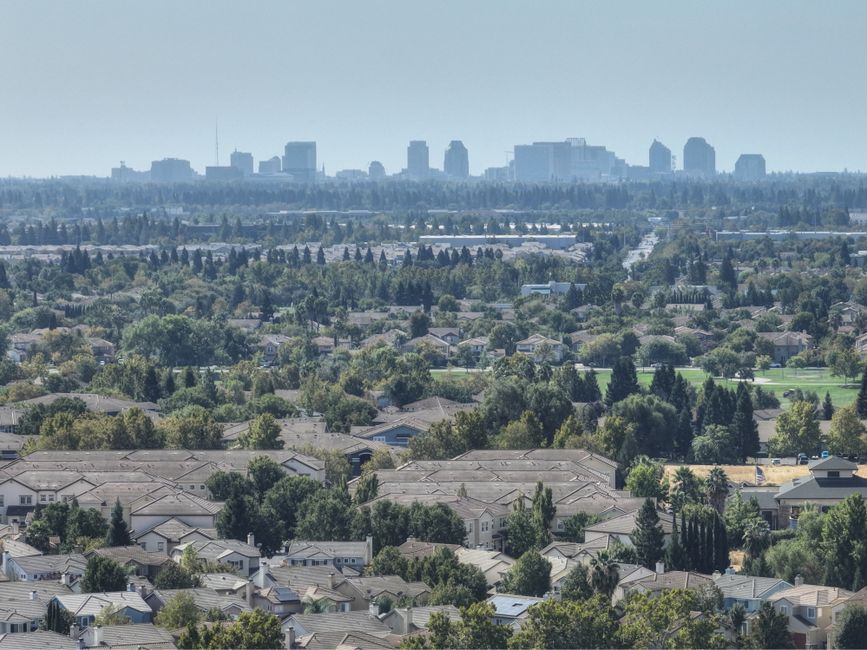
Sacramento has solid hospital infrastructure. UC Davis Medical Center is the region's primary teaching hospital with Level 1 trauma capabilities, and there are several other hospital networks throughout the greater area. Specialists aren't as plentiful as you'd find in San Francisco or Los Angeles, but for routine and intermediate care, you're in decent shape. Wait times for appointments vary by provider, as they do everywhere.
One thing to verify before moving: whether your specific Medicare plan or private insurance has good provider networks in Sacramento. Some plans have robust coverage here; others don't. Talk to your insurance provider directly rather than assuming. The medical community here is experienced with older patients—it's a factor—but it's not a medical destination like Rochester or Arizona does for specialized care. If you have complex health needs, consider whether Sacramento's specialist network meets your specific requirements.
The Climate Reality
Sacramento summers are hot. We're talking regularly over 95°F from late June through early September, sometimes pushing past 100°F. If you hate heat, this is a real problem. The city sits in the Central Valley, which heats up and stays that way. Air conditioning isn't optional; it's essential. Winters are mild and occasionally wet—rarely freezing, some rain, lots of gray days in January and February. Spring and fall are genuinely pleasant.
The heat does drive up electricity costs and can be punishing if you're outdoors during peak hours in summer. A lot of retirees here adjust by shifting their schedules, staying near the American River for cooler afternoons, and keeping active during early mornings or evenings. If you've lived in a Mediterranean or desert climate before, you'll adapt fine. If you're used to moderate temperatures year-round, Sacramento will require adjustment.
Air quality during summer and early fall can be affected by wildfires from Sierra foothills, though it's typically not as severe as it was a few years back. Worth monitoring if you have respiratory concerns.

Midtown and Near East Sacramento: Urban Proximity
Midtown Sacramento—roughly from 16th Street to 28th Street between J and L Streets—has become the city's cultural heart. It's walkable, has restaurants and bars, and feels genuinely alive on weekend evenings. For retirees who want urban convenience without moving to San Francisco, Midtown has appeal. Housing here is pricier than outlying neighborhoods but still substantially less than the coast. You'll find older craftsman-style homes, converted lofts, and newer buildings mixed together. The American River Trail is nearby for walking and biking.
Near East Sacramento, particularly neighborhoods like Elmhurst and the areas around Land Park, skews toward quieter, tree-lined streets with older single-family homes. There's less nightlife but more residential calm. Both areas have walkable commercial districts—restaurants, shops, a sense that you don't need a car for everything. The trade-off is density and noise compared to suburbs. If you want walkability and cultural proximity without sprawl, these neighborhoods deliver.
Carmichael and Rancho Cordova: Quieter Alternatives
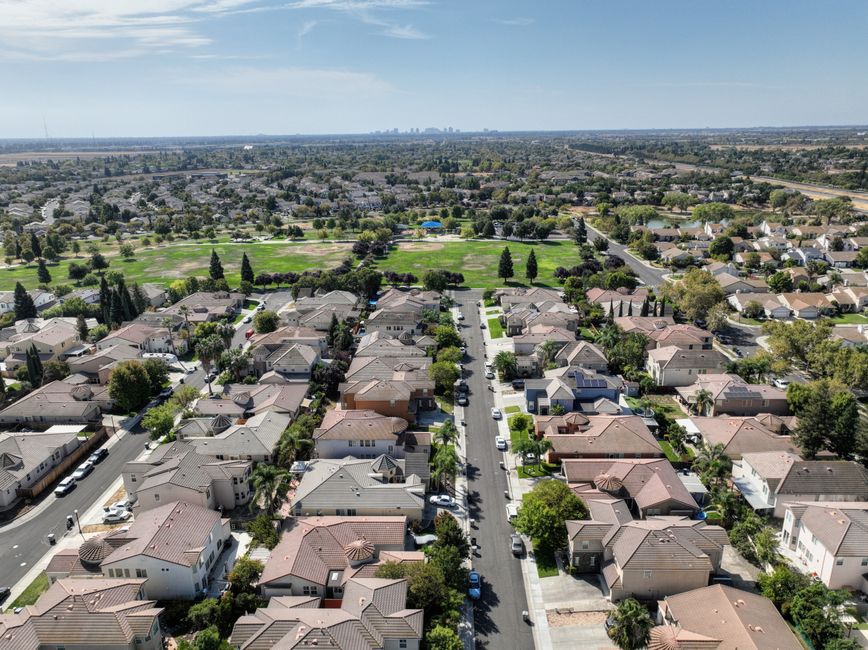
Just east of Sacramento proper, Carmichael is a suburb that's popular with retirees seeking quieter living with suburban infrastructure. It's less expensive than central Sacramento, less dense, more car-dependent. Shopping, dining, and basic services are all available, but you're in classic suburban terrain. Several assisted living facilities and retirement communities operate in and around Carmichael, which speaks to its appeal for older adults.
Rancho Cordova, further east, follows a similar pattern—suburban, quieter, more affordable than central Sacramento, more car-dependent. Both areas work well if you want to be near Sacramento's resources without living in the heart of the city. Schools and parks are decent community amenities even if you don't have grandkids living with you. The trade-off is the classic suburban trade-off: convenience comes with car dependency and less walkability.

Things That Might Disappoint You
Sacramento isn't a major cultural destination. Theater, music, and art are present but modest compared to big coastal cities. If you need a robust cultural scene and live entertainment year-round, you're probably better served elsewhere. The riverfront development is ongoing and improving, but it's not yet the kind of destination that draws tourists in large numbers.
Public transportation is functional but limited. The light rail system covers downtown and some surrounding areas, but if you move to suburbs like Carmichael, you'll need a car. Most retirees here have cars and use them regularly.
The city lacks the identity punch of other places. It's the state capital, which matters for politics and state employees, but it doesn't have San Diego's laid-back vibe, the Bay Area's prestige, or LA's entertainment industry. For some people, this is refreshing. For others, it feels anonymous.
The Practical Checklist
Before deciding to retire here, visit during summer. Don't visit in April when it's perfect. Come in July or August and spend time outdoors. See how you feel. Rent for a month if possible. Drive through different neighborhoods multiple times at different hours.
Verify that your specific medical needs are covered by providers in Sacramento. Call your insurance company or your doctors directly. Don't assume.
Run your numbers through a tax calculator with a CPA familiar with California taxation. Your federal situation might be straightforward, but California adds layers.
Talk to people already retired here. Join online groups, visit churches or community centers, have honest conversations. What works for them might not work for you, but patterns emerge quickly.
The Bottom Line
Sacramento works well for retirees who value affordability over coastal prestige, who can handle hot summers, who want suburban quietness or urban walkability depending on neighborhood choice, and who don't need a major medical research center or thick cultural calendar. It's a real city with real services, not a retirement community theme park.
If you're coming from the Bay Area or LA and looking to stretch your retirement dollars, Sacramento offers genuine savings. If you're coming from lower-cost states and looking for a California experience, you might find it pricier than you expected. If you're flexible on location and can visit before committing, do that. Sacramento rewards due diligence and punishes assumptions.