
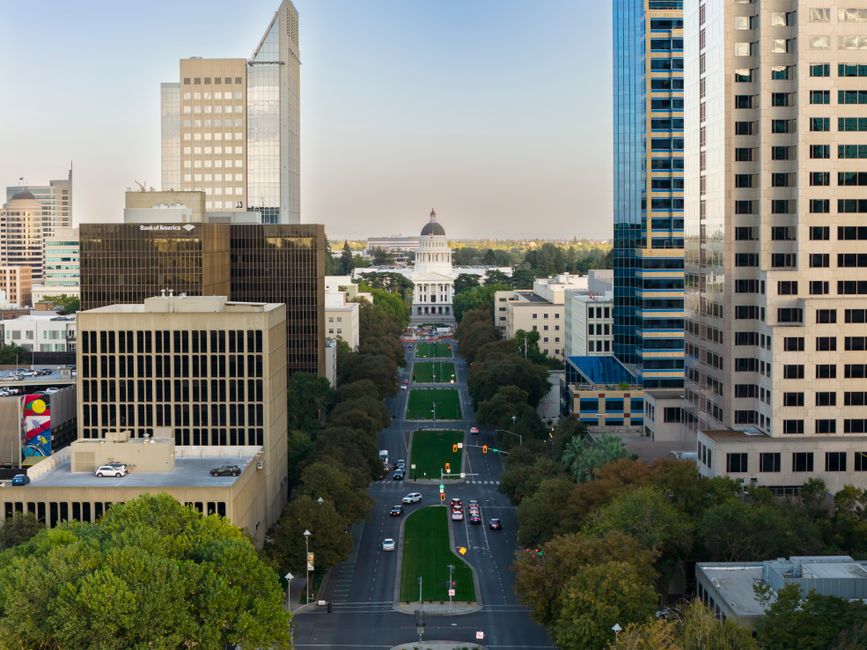
I arrived in Sacramento on a Thursday afternoon expecting the usual state-capital quiet—tree-lined streets, civic buildings, maybe a few decent museums. What I found was a city that's genuinely friendlier and more walkable than its reputation suggests, but also one where you need basic street smarts like anywhere else.
The good news first: Sacramento is not a dangerous city for solo travelers. Most visitors move around Old Sacramento, the Downtown Mall, Midtown, and the Capitol area without incident. The bad news is equally straightforward—pockets of the city do struggle with homelessness, property crime, and occasional street-level harassment, and pretending otherwise would be irresponsible. Here's what I learned about navigating it sensibly.
The Downtown Core: Daytime vs. After Dark
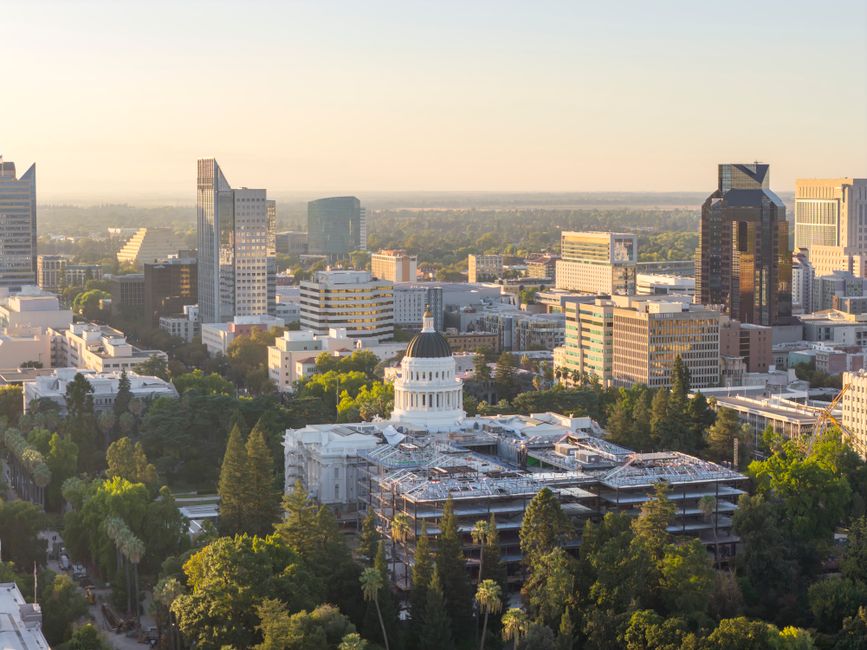
Downtown Sacramento, especially around the Capitol and 10th Street, is completely fine during business hours and early evening. I walked around the Capitol grounds at 2 p.m. on a weekday without a second thought, and plenty of people work there daily. The California Museum, the Capitol itself, and the nearby shops are legitimate daytime destinations.
After dark is a different story. Empty streets and reduced foot traffic make the area feel exposed, particularly the blocks between the Capitol and the riverfront after about 8 p.m. If you're attending an evening event or dinner downtown, plan your route in advance—stick to well-lit main streets (K Street, L Street, Capitol Avenue) rather than cutting through quieter side blocks. Ride-share or a short taxi ride back to your hotel is a smarter move than a solo walk after midnight.

Old Sacramento: Congested and Generally Safe
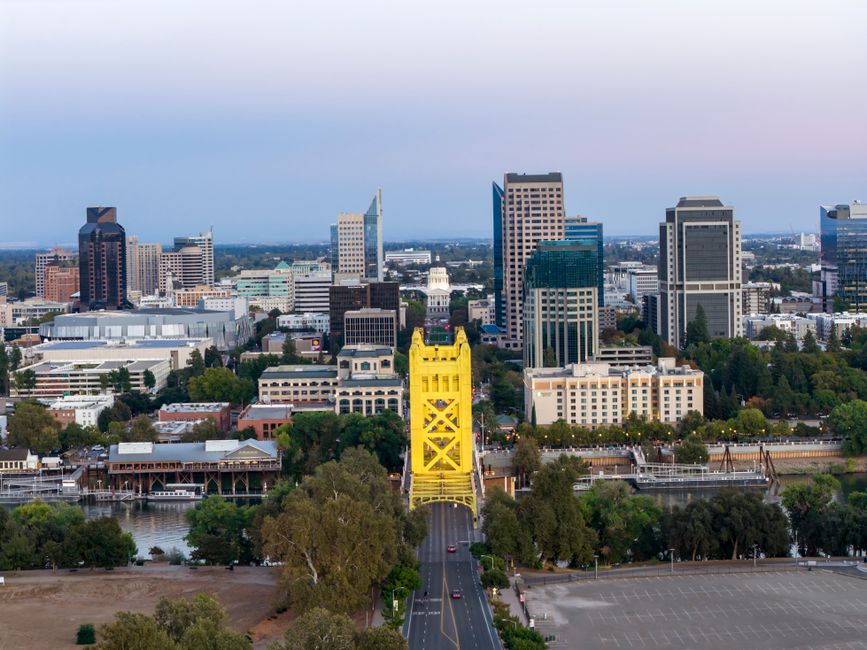
Old Sacramento—the historic district along the river with its wooden boardwalks and tourist shops—draws crowds, which is exactly what makes it relatively secure. I spent an afternoon poking around the antique shops and riverfront without feeling uneasy, and families and tour groups were everywhere. During the day and early evening, it's one of the most populated and patrolled parts of the city.
Stay aware of your surroundings as you always would in any tourist area. There's occasional panhandling, and you'll see people experiencing homelessness, but aggressive confrontations are rare. What matters is not lingering alone in the alleyways or parking areas after dark, especially if the foot traffic has thinned. Daylight visits and evening hours while there's still activity are your sweet spot.
Midtown: Where Solo Travelers Actually Spend Time
Midtown Sacramento—roughly bounded by 16th Street, 28th Street, Capitol Avenue, and Broadway—is where the city actually lives. Restaurants, bars, galleries, vintage shops, and apartment buildings line streets like J Street and 20th Street. I felt most comfortable here, frankly, because there are people around, businesses stay open into the evening, and the vibe is genuinely neighborly.
That said, Midtown's safety tilts strongly on your time and habits. Weekday afternoons and evening dining hours, you're fine alone. Late-night bar crawls on weekends introduce variables—drunk crowds, reduced police presence in quieter blocks, and the usual urban friction that comes with nightlife. Stick to main retail streets, use ride-share for late-night rides, and avoid empty side blocks at 2 a.m. otherwise you're just asking for trouble anywhere.
Areas That Warrant Real Caution
A few neighborhoods see higher rates of property crime and street-level incidents. North Sacramento, particularly around the Del Paso Boulevard corridor, has documented challenges with theft and assault. South Sacramento, including areas around Pocket and Land Park, experiences similar patterns. East Sacramento around the 50 Freeway has pockets that locals avoid after dark.
None of these are "do not go zones"—people live there, work there, shop there. But as a solo traveler, you're not gaining much by visiting these areas. There's no major tourist draw in these neighborhoods, so your time and safety are better spent in Midtown, Old Sacramento, the Capitol, or Folsom. If you do find yourself in one of these areas during daylight for legitimate reasons, stay alert, move with purpose, and don't leave valuables visible in your car.
Practical Safety Habits (Universal Rules)
Sacramento's public transit is sparse compared to coastal cities, which means many solo travelers default to walking or ride-share. If you're walking, do the obvious: travel during daylight or well-lit evening hours, stay on main streets, keep your phone tucked away, and trust your instincts about uncomfortable situations.
Ride-share (Uber, Lyft) is reliably available downtown and in popular neighborhoods. It's not expensive for short trips—$8 to $12 for most journeys across the city. At night, it's worth the few dollars rather than a solo walk. Keep your hotel address and one or two specific destination addresses handy so you're not standing on the street fiddling with your phone. Park in well-lit, populated garages if you rent a car; street parking in some areas invites break-ins.
What Actually Happens vs. What You Should Fear
Most solo travelers visit Sacramento without incident because they're not doing anything risky. You're not carrying large amounts of cash, you're not walking dark residential blocks at 3 a.m., and you're sticking to obvious tourist and business areas. Property crime—car break-ins, retail theft, bike theft—is more common than violent crime against visitors. Petty harassment from people experiencing homelessness does happen, but usually amounts to aggressive panhandling or someone following you asking for money. It's unpleasant, not dangerous.
Violent crime against tourists is statistically rare. The incidents that make news are outliers. Sacramento is not Oakland or Los Angeles. It's a mid-sized capital city with real challenges in certain ZIP codes, but nothing that should deter a careful, aware solo traveler from visiting the attractions and neighborhoods worth visiting.
Timing Your Visit and Building Your Itinerary
Weekday visits are substantially more comfortable than weekend nights, especially if you're traveling solo. More shops and museums are open, foot traffic is steady, and police presence is higher. If you must visit on a Saturday evening, plan specific destinations and stick to Midtown or Old Sacramento rather than wandering.
Build your itinerary around daylight and early evening: the Capitol in the morning, a lunch break in Midtown, museums in the afternoon (California Museum, Railroad Museum, Crocker Art Museum), and dinner back in Midtown or Old Sacramento. Be back in your hotel or heading to bed by 10 or 11 p.m., and you'll avoid the hours when the city thins out and risk ticks up.
The Bottom Line
Sacramento doesn't bite. I spent three days there alone, stayed in a downtown hotel, walked around like I owned the place during daylight and early evening, and had exactly zero problems. Most solo travelers will have a similar experience if they apply basic awareness and stick to the obvious areas.
Don't approach Sacramento with fear; approach it with low-grade attentiveness. You'd use the same precautions in any American city. Skip the dark empty blocks after 10 p.m., don't leave your laptop on a cafe table, keep your phone in your pocket while walking, and use your eyes and ears. The Capitol, Midtown restaurants, Old Sacramento, and the riverfront are genuinely worth exploring, and you'll find Sacramento—for all its state-government blandness—more pleasant and accessible than you might expect.



